Part 6 of 8 in Traffic Signs, Signals & Directions
Traffic lights
Traffic lights: what red, yellow and green, an arrow or flashing yellow mean. With lights for cyclists, buses and trams, and what comes first.


Written by Chris Prosman Reviewed by Dirk van Zuijlen
Updated Reviewed on 8 min read
Every CBR sign · start for free
At red you stop. At yellow (amber) you also stop, unless you are already so close that stopping is no longer reasonably possible. At green you may go if the road is clear. If a single yellow light flashes, it is a warning: drive carefully and follow the signs and priority rules. The light for your lane and direction is the one that applies to you.
What do the colours of a traffic light mean?
An ordinary traffic light has three colours. They mean the same at every junction:
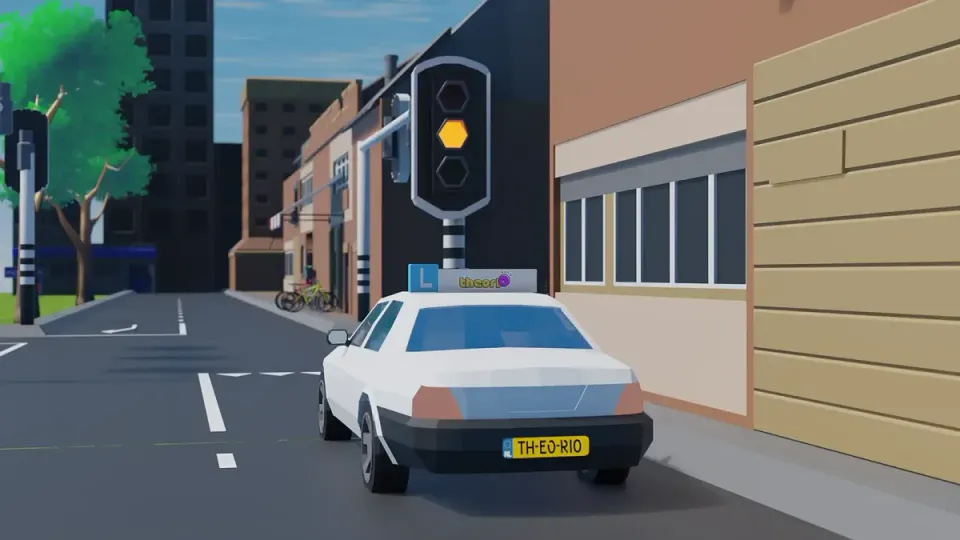
- Red: stop before the stop line. Without a line, stop before the traffic light.
- Yellow (amber): stop. Continue only if you are so close that stopping is no longer reasonably possible. Distance, speed and road conditions matter together; 40 km/h is not an automatic reason to continue.
- Green: you may proceed in the permitted direction. Turning duties and the requirement to keep the junction clear still apply.
Green does not mean driving blindly into the junction. You must not block it. Wait if there is no space on the other side, and check that remaining traffic has cleared your path.
Yellow (amber) light: stop, unless you can no longer stop safely
Yellow is only on for a short time. What you do depends on how far you still are from the stop line:
- You are still some distance away: brake calmly and stop before the line. That is the normal situation.
- You are already very close when the light changes: if you can no longer come to a safe stop before the line, continue calmly. Speeding up to make it is not part of that.
There are also lights with only yellow and red, without green. There, yellow and red mean exactly the same as at an ordinary traffic light.
Traffic lights come before signs and priority rules
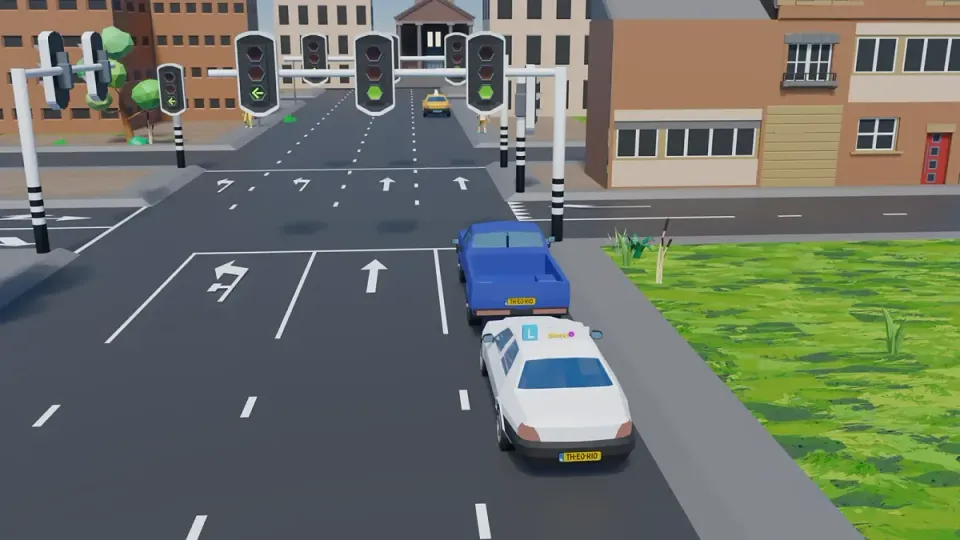
When the traffic light works, the light decides who may go. It then takes precedence over the priority signs and give-way markings at the junction. It also takes precedence over the ordinary rules, such as the rule that drivers from the right go first.
Signs that regulate something other than priority still apply, such as a no-entry sign or a mandatory direction. The priority signs and give-way markings count again as soon as the light is off or flashes yellow. What you do then is explained below under flashing lights.
Traffic lights with an arrow and round traffic lights
The difference is the direction the light applies to:
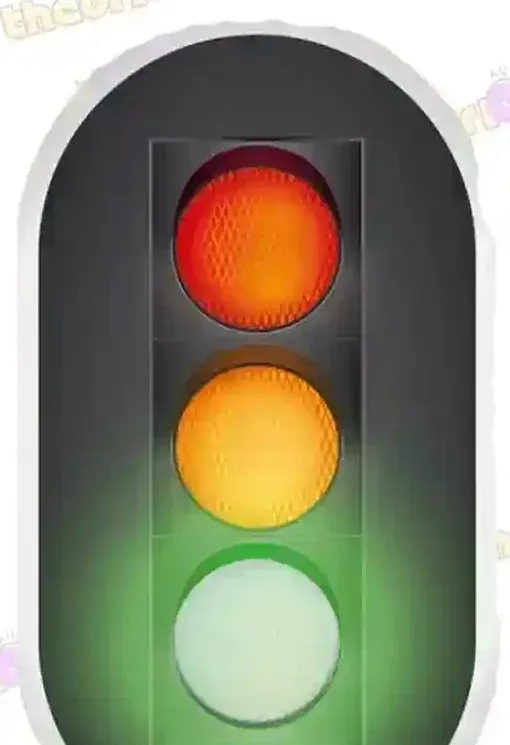 Round light: applies to every direction you may take from your lane. Other traffic can have green at the same time as you, such as oncoming traffic, and cyclists and pedestrians going straight on.
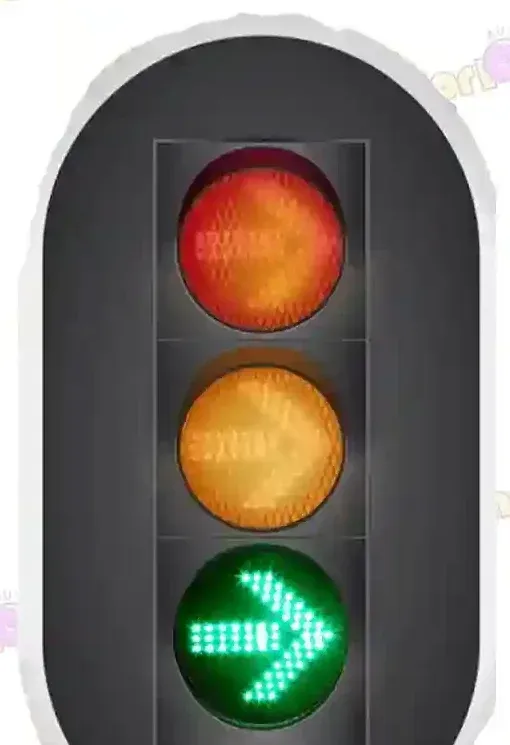 Light with an arrow: applies only to the direction of the arrow. If a red arrow to the left is lit, only turning left is closed. For straight on, look at the light that belongs to it.
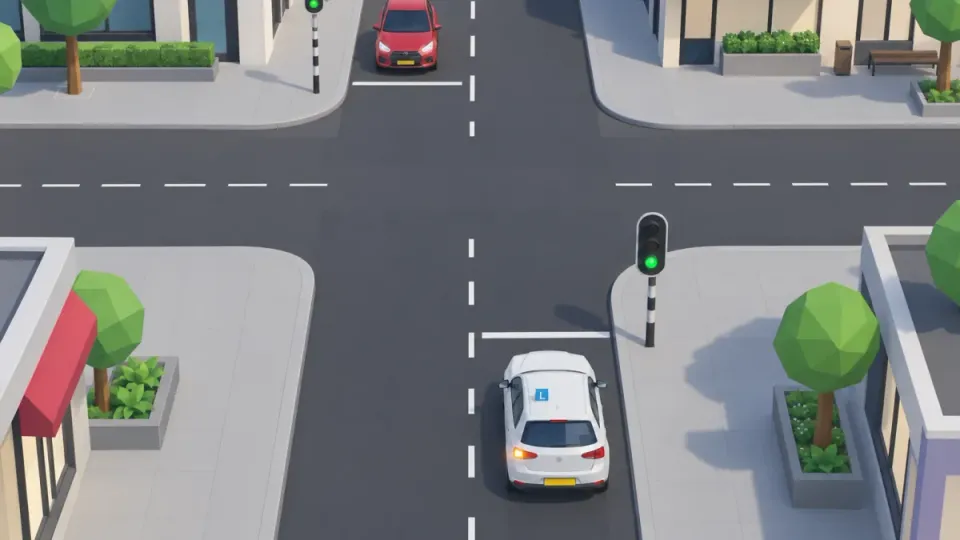
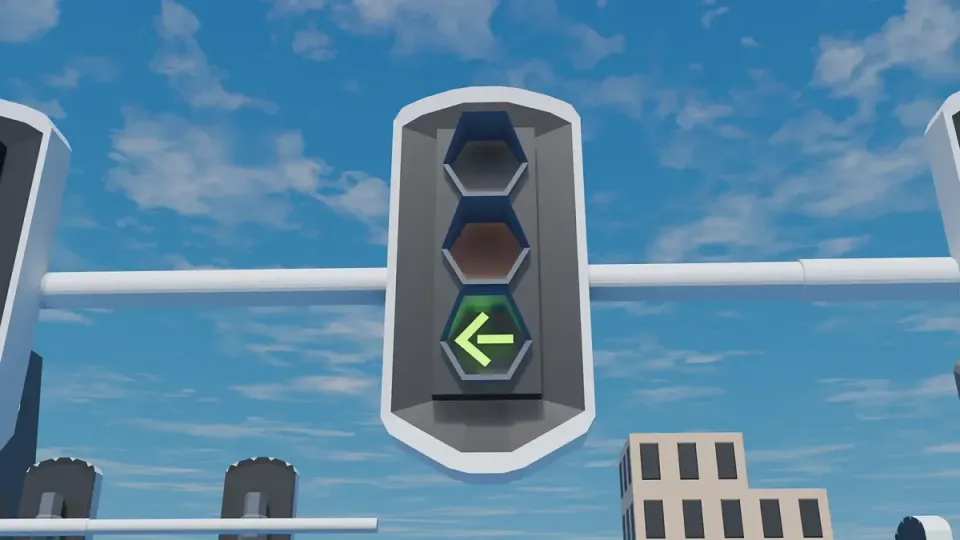
At round green you may turn if signs and lane arrows permit it. Let traffic continuing straight along the same road go first, including cyclists alongside you and pedestrians along that road. A green arrow helps separate conflicting movements, but always check that the route is actually clear; others can make mistakes.
If your lane has its own traffic light, only that light applies to you. The light for the lane next to you can be green while yours is still red.
Bridge light
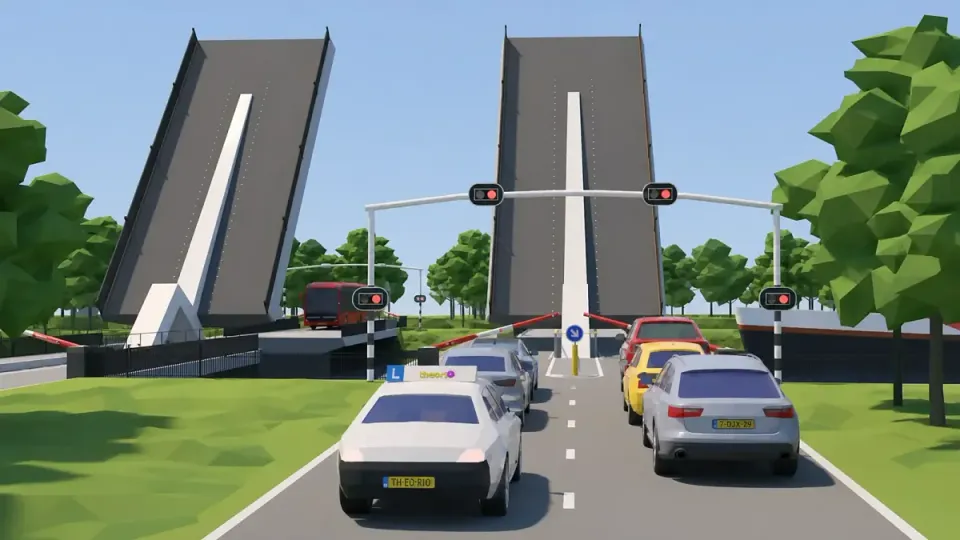
At a bridge that can open there is often a bridge light. For road traffic that light has only one meaning: a red light or a flashing red light means stop. So you usually see a bridge light red or switched off completely. At red, wait until the red light has gone out.
Flashing warning lights and yellow arrows
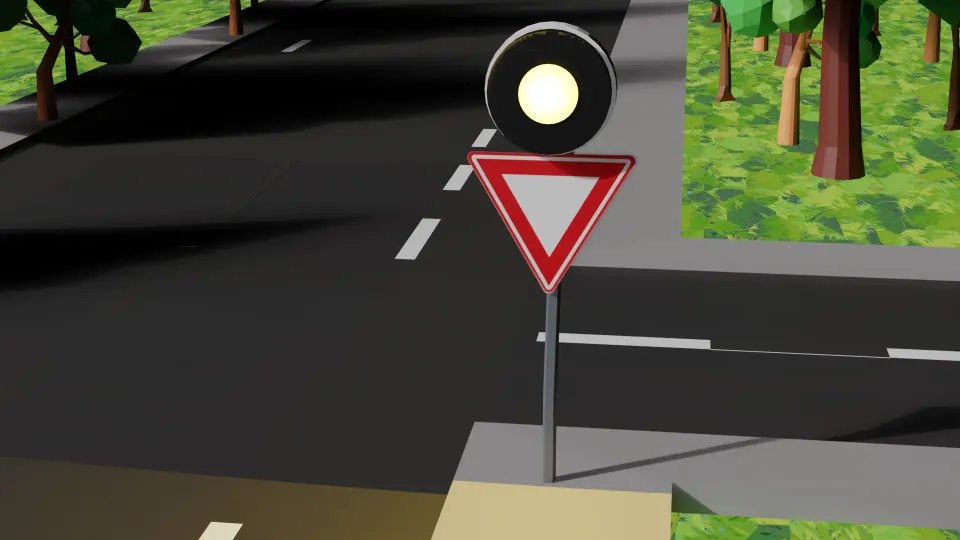
By law, a flashing yellow light means: dangerous spot, be careful.
A single flashing yellow lamp warns of danger. Adjust your speed and check the situation. Other signs, markings and priority rules still apply.
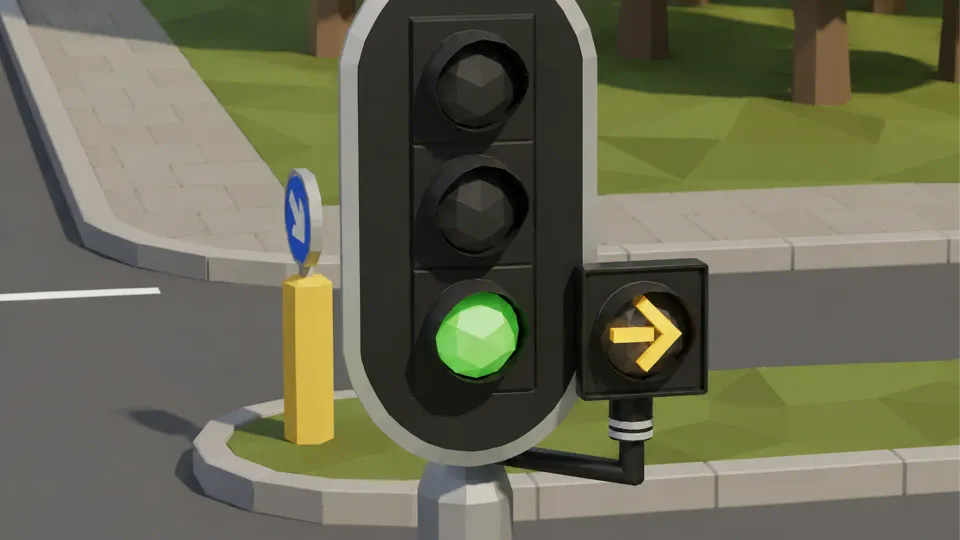
A small flashing yellow arrow beside a traffic light warns about hazards in your turning direction, such as a cycle crossing. Your own traffic light still decides whether you may proceed. At green, check any cyclists and pedestrians you must let go first.
Traffic light off or flashing yellow
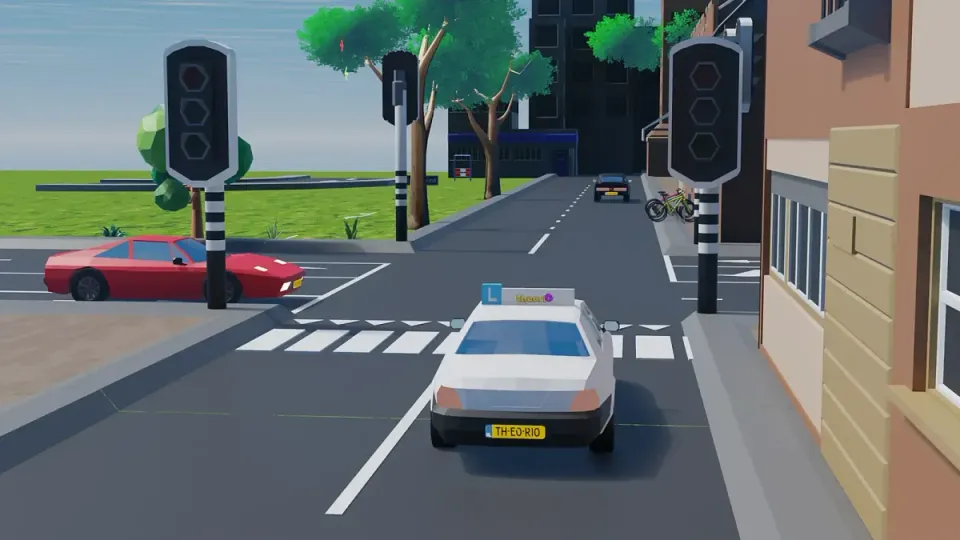
When lights are off or flash yellow, use priority signs and give-way markings: the junction is then a priority junction. If none exist, check whether this is an equal junction: drivers from the right go first, with the usual exceptions for trams and unpaved roads. Approach a failed signal with extra care; others may read the situation differently.
So a traffic light that is switched off is not a green light. It gives you no priority and no stop signal either.
Lights for cyclists, pedestrians, buses and trams
At a junction there are often lights that are not meant for you as a car driver. You recognise them by the shape in the light:
- Cycle light (a bicycle in the light): for cyclists, moped riders on a cycle/moped path and drivers of a disability vehicle. If there is a sign "Rechtsaf voor fietsers vrij" (right turn free for cyclists), cyclists may turn right at yellow and red, as long as they let other traffic go first.
- Pedestrian light (a little figure): at green pedestrians may cross. If green flashes, red is about to come. At red they may no longer start, but anyone already on the crossing keeps walking as quickly as possible. Keep that in mind when you get green.
- Tram/bus light (white bars or dots): for the tram and the scheduled bus. It also applies to other traffic on the bus road or bus lane the light belongs to.
- Lane signals above the motorway (green arrow, red cross): these tell you whether you may use a lane. Read more under matrix signs.
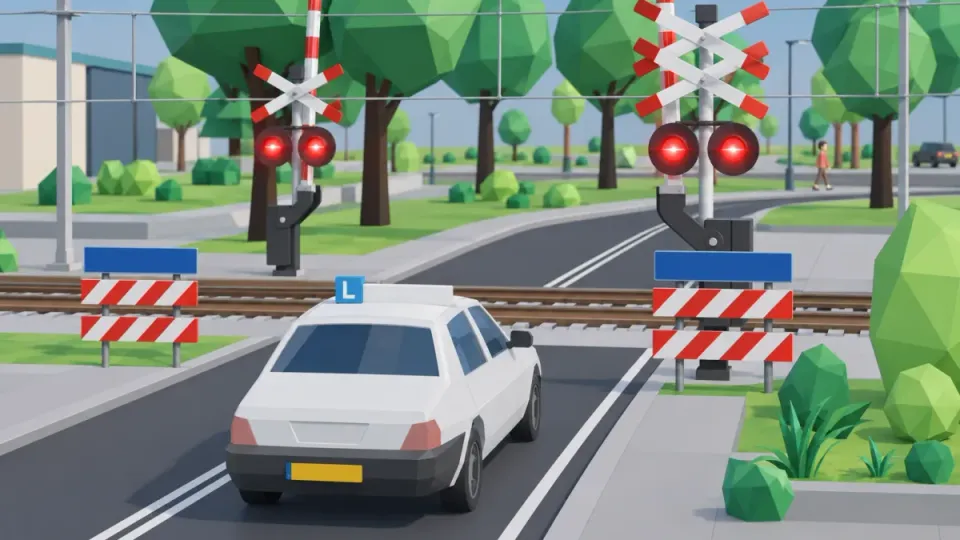
Two flashing red lights at a tram or railway crossing are meant for you: they mean stop. Read more under railway crossings.
Getting in lane at junctions with traffic lights
At a large junction with traffic lights, each direction often has its own lane, with arrows on the road and sometimes its own light. Choose the right lane in good time:
- If two or more lanes go your way, take the right-most of them.
- A lane with two arrows, for example left and straight on, counts for both of those directions.
- Once you are in a lane for a direction, you follow the direction of that lane. Even if you actually wanted to go another way: drive on and find a new route further along.
- After that, only look at the traffic light of your lane.
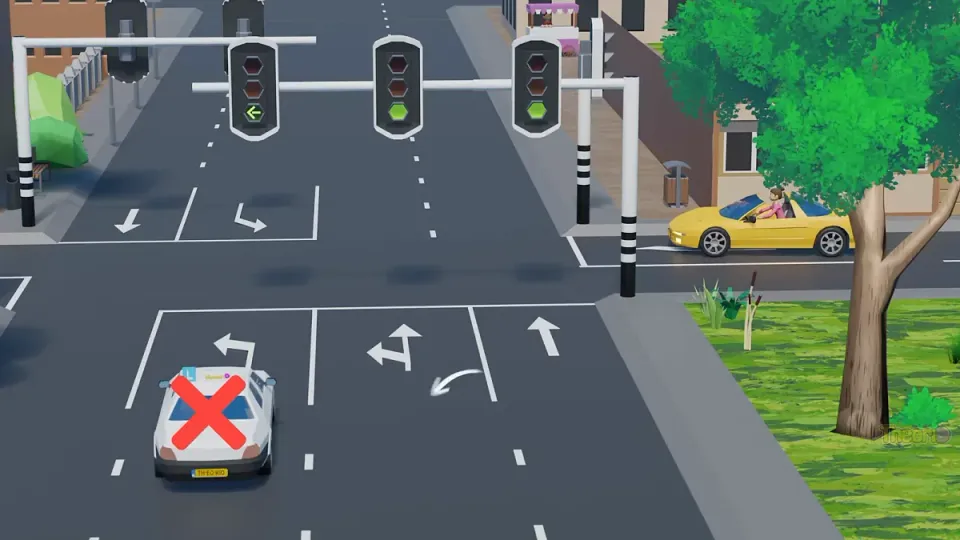
How to get in lane at ordinary junctions and cycle lanes is explained under getting in lane.
Bus lane before a junction with traffic lights
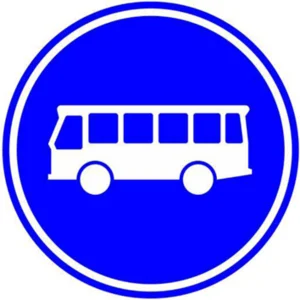 Often a bus lane runs to the junction on the right, with BUS or LIJNBUS on the road. You do not drive on it: that lane is for buses and trams. So the white tram/bus light above that lane is not your light either. You follow the ordinary traffic light of your own lane.
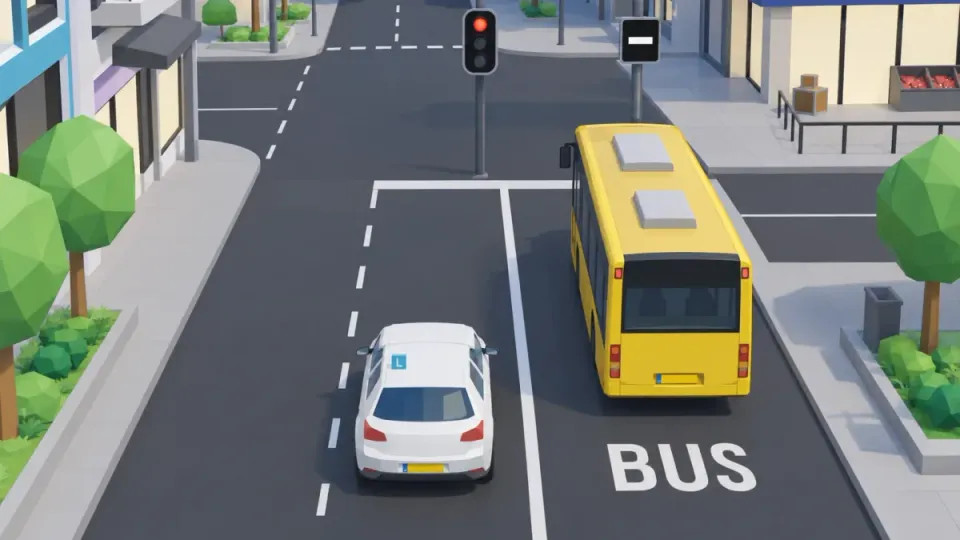
Do you want to turn right and is the bus lane between you and your turning? Then only cross it where the line to the bus lane is broken. You are changing lanes, so an approaching bus goes first. More about lines and bus lanes at a junction under roundabouts and lanes.
What comes first: traffic controller, traffic light, sign or general traffic rules?
If you see several instructions at once, this order applies. What is higher wins:
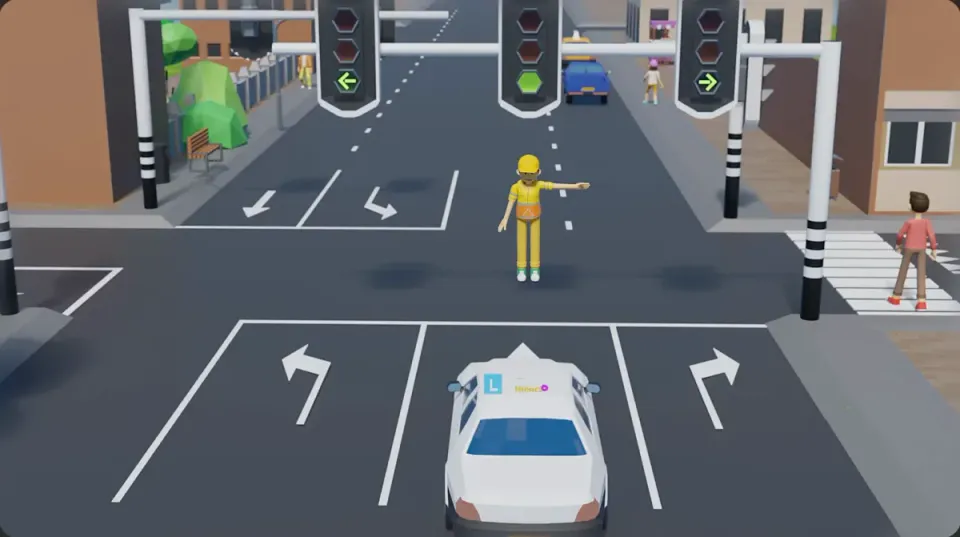
- Traffic controller or police. Their instructions come before everything. See traffic controller: signals and gestures.
- Traffic light. See the heading above.
- Traffic sign or give-way markings. See priority junction.
- General traffic rules. See priority rules.
CBR pitfalls at traffic lights
❌ Wrong: turning left at a round green light as if the road is yours. ✅ Right: an oncoming driver going straight on may also have green and goes first.
❌ Wrong: speeding up at yellow to make it. ✅ Right: yellow means stop. Only if that is no longer safe do you drive on.
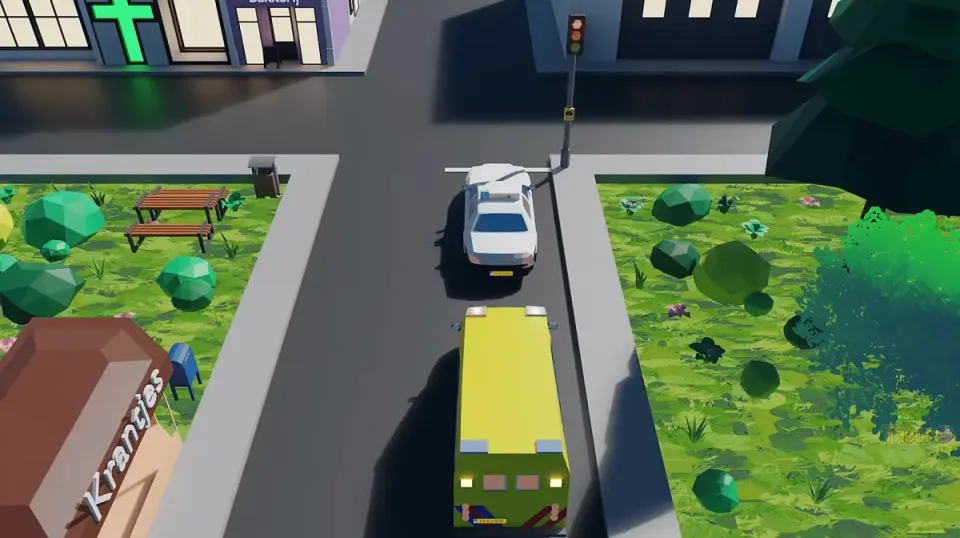
❌ Wrong: driving through red for an ambulance behind you. ✅ Right: at red you stay where you are.
❌ Wrong: driving off because the tram or bus light changes. ✅ Right: you only follow the light of your own lane.
Practise like the exam
Example questions like in the CBR exam
Real questions from the Theorio app. You can expect similar questions in your CBR exam.
Question 1 of 5
Are you allowed to continue driving at orange light?
Tap the answer you think is right.
At which traffic light should you take into account crossing drivers?
Tap the answer you think is right.
The traffic light is green, may you proceed?
Tap the answer you think is right.
Which lights apply to you?
Tap the answer you think is right.
It is busy at the intersection, may you continue driving?
Tap the answer you think is right.
Answers and explanations for the example questions
Question 1: Are you allowed to continue driving at orange light?
Correct answer: No
No, at orange light you must stop if it is safe to do so 🟠. Only if you are so close to the traffic light that stopping is impossible, may you continue driving. Stopping is the norm at orange✋.
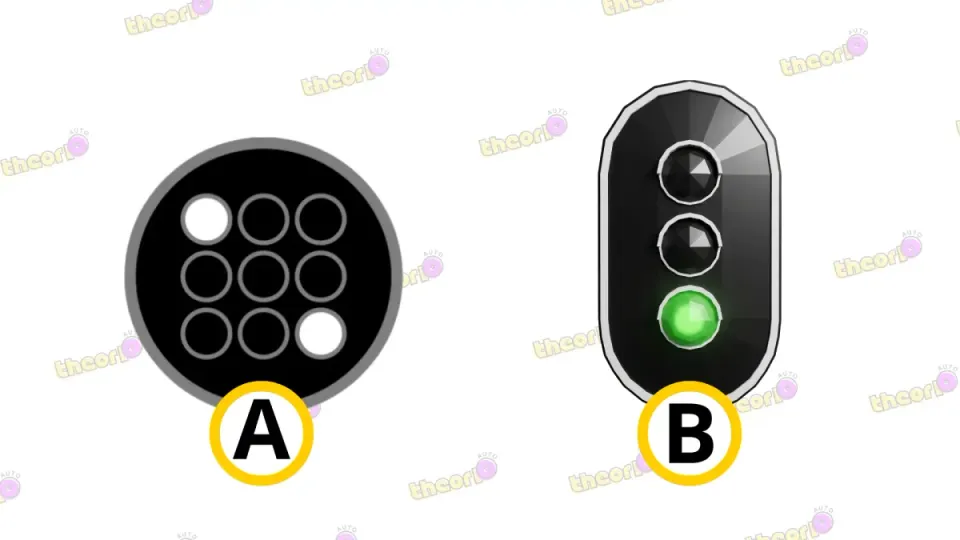
Question 2: At which traffic light should you take into account crossing drivers?
Correct answer: Traffic light A
At a round green light (traffic light A) you must give way to oncoming traffic when turning, as they may also have a green light. At a green light with an arrow (traffic light B) you do not need to consider oncoming traffic, as no oncoming traffic is allowed in that situation.
Question 3: The traffic light is green, may you proceed?
Correct answer: Yes
Yes, at green light you may proceed 🟢, even if there are yield signs or a stop sign. These only apply if the traffic light is not working. Traffic lights take precedence over signs and markings 🚦.
Question 4: Which lights apply to you?
Correct answer: B
Light A applies to trams, sign B applies to drivers.
Question 5: It is busy at the intersection, may you continue driving?
Correct answer: No
No, even with a green light you may not enter the intersection if you would come to a stop there 🛑. The flow of traffic must be maintained. Do not block the intersection❗.
FAQ
Frequently asked questions
Short answers to questions that often come up on this subject.
Do you have to stop for give-way markings when your light is green?
Not merely because of give-way markings belonging to that traffic arrangement: the applicable operating light takes precedence over those priority markings. Green still means proceeding only when safe. Do not block the junction, obey an authorised controller’s stop signal and let traffic go first where another applicable rule requires it, such as when turning.
Does a traffic light with white dots apply to you?
As an ordinary motorist in an ordinary lane, follow the car lights intended for you. White dots or bars belong to tram/bus signals. These apply to trams and scheduled buses and, in certain cases, other vehicles using the relevant bus lane. Check which lane and direction the signal controls.
Does a traffic light take precedence over a stop sign?
Yes, as long as the traffic light works. A stop sign (B7) regulates priority, and a working light takes precedence over every sign and give-way marking that regulates priority. If you have green, you do not have to stop at the stop line first.
If the light is off or flashes yellow, the stop sign counts again. Then you always come to a full stop and let the traffic on the crossing road go first.
Ready to practise?
Test your knowledge of Traffic Signs, Signals & Directions with 90 practice questions in the app.
Every CBR sign · start for free
Your first quiz is free, no account needed. After that from €34.99 for 90 days of access.