Learn to use driver assistance safely: from ACC and ISA to emergency braking, parking and fatigue warnings. Pictures show what technology supports and what remains your task.
Here you see for each driver assistance system what it does and what you still do yourself. Each system has its own explanation page.
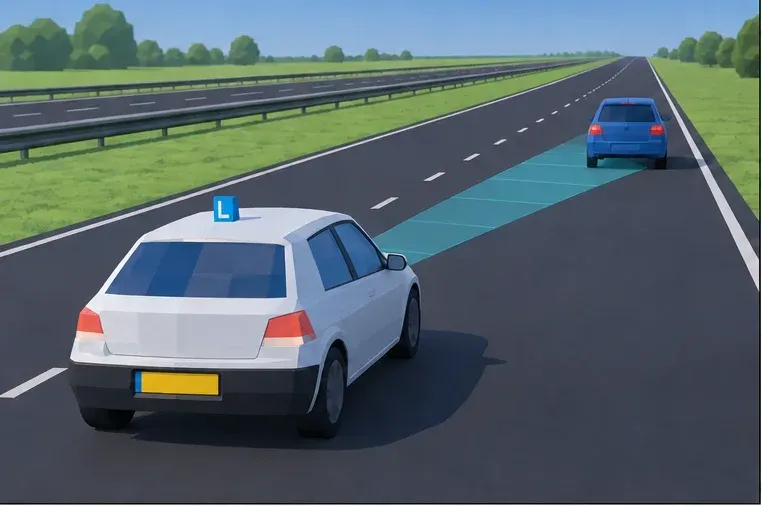
Adaptive cruise control: keeps your speed and the distance to the car ahead. In dry weather keep at least two seconds of distance, and brake yourself for a stationary traffic jam.
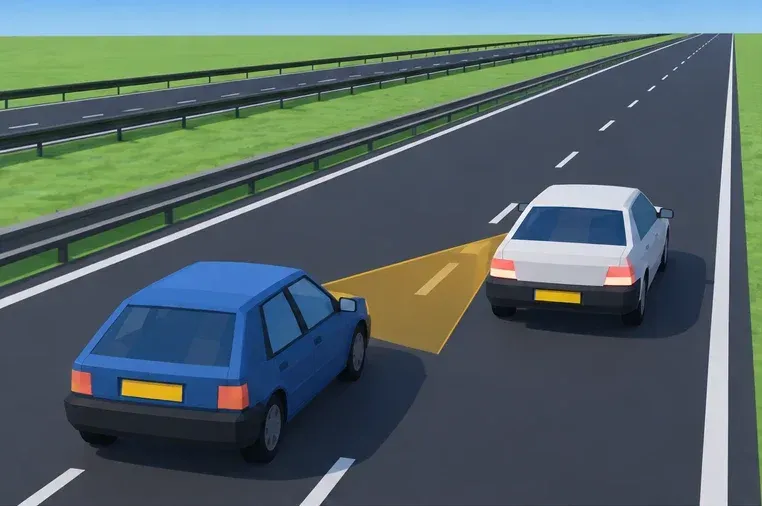
Lane assist: warns you or steers gently when you cross a line without signalling. Without clearly visible lines it often works less well or not at all.
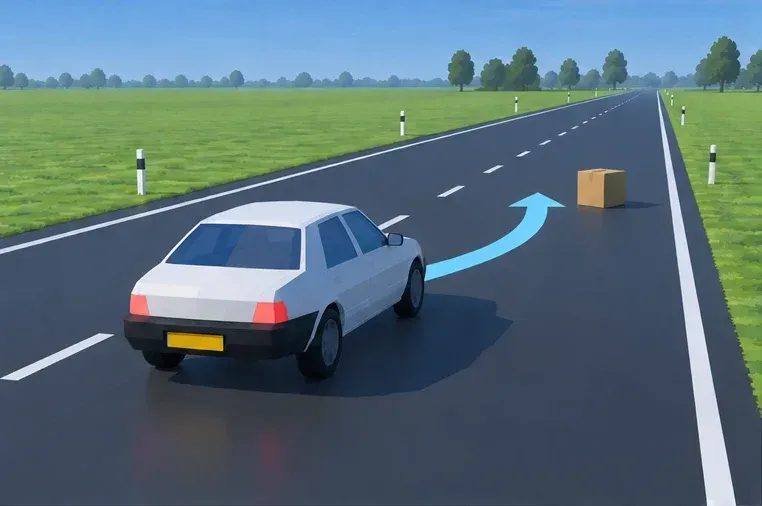
Automatic emergency braking: brakes by itself when a collision threatens. It is a last resort and does not always see pedestrians or cyclists. Never wait for it; brake yourself.
Blind spot detection: a light near your door mirror warns about traffic beside or diagonally behind you. No light? Still check the blind spot yourself.
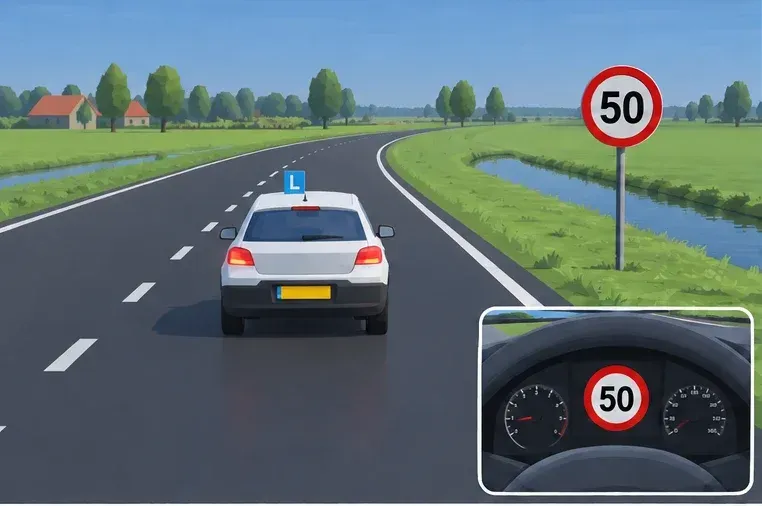
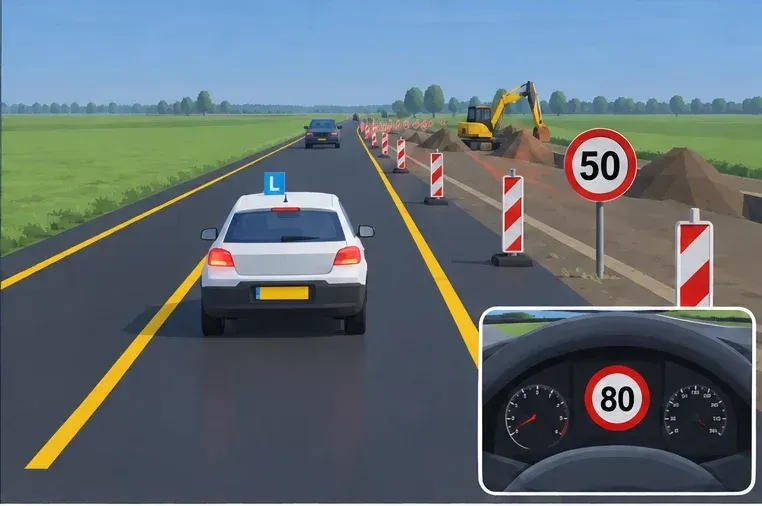
Intelligent speed assistance (ISA): shows the speed limit from signs and map data. The sign beats the screen: if ISA shows 80 at a temporary 50 sign, 50 applies.
Driver drowsiness detection: if a coffee cup appears on your dashboard, stop at the first safe place and rest. The advice: a break of at least 15 minutes every 2 hours.
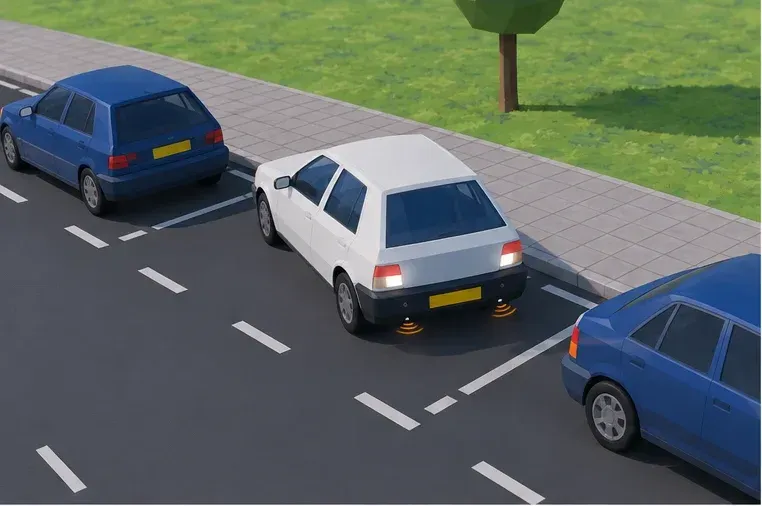
Park assist and parking sensors: help by beeping, with a camera or by steering for you. You keep looking around. Automatic parking is not allowed during the special manoeuvres of the practical test.
ABS and ESP: with ABS your wheels do not lock, so you can steer while braking hard. ESP helps when your car is about to skid. Your braking distance is not always shorter.
The abbreviation, the systems, and what the CBR does with it.
Driver assistance provides information, warnings and interventions. Learn your car’s equipment, its capabilities and the driving tasks that remain yours.
What does ADAS mean?
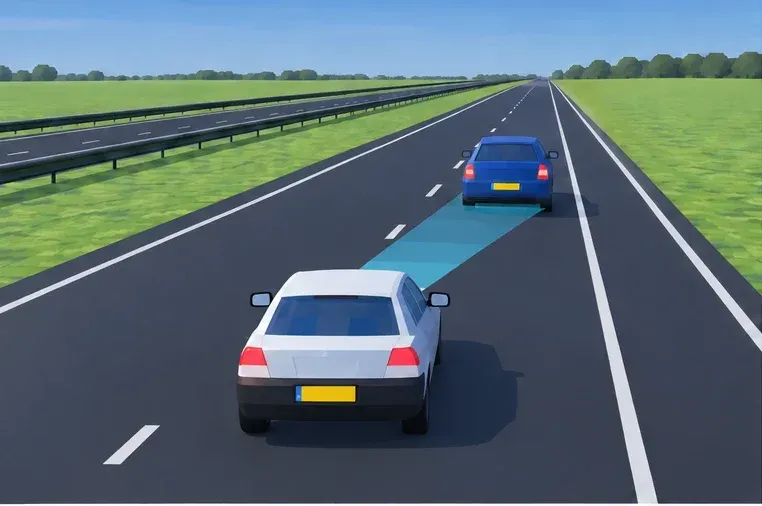
ACC follows a recognised vehicle ahead. Assistance supports your driving task while you continue assessing the situation.
ADAS means Advanced Driver Assistance Systems. In Dutch these are called rijhulpsystemen. They may inform, warn, brake, steer or support part of a driving task. Operation and controls differ by brand, version and year.
You do not need to be a mechanic, but you must know a system’s purpose, controls, unavailable states and how to intervene yourself. Multiple active systems are no reason to observe less or use your phone.
Choose support deliberately; do not depend on emergency intervention
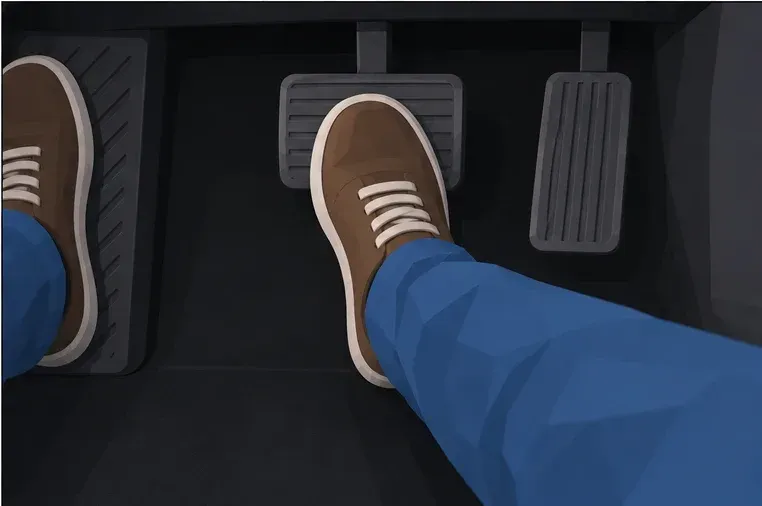
When danger develops you operate the brake yourself. Emergency braking is an additional safeguard.
Comfort assistance such as ACC can be chosen deliberately for suitable situations. Emergency systems such as AEB, ABS and ESP are no invitation to wait for intervention. Maintain safe distance and adapt speed and position to actual conditions.
The CBR Rijprocedure B describes appropriate use. Beyond system names, learn preparation, direct observation, judging warnings and timely intervention. Explore each system below or practise with the 30 ADAS practice questions.
Learn each system’s function, limitations and your own actions. Use the current Rijprocedure B as a framework and check the version in the car you drive.
From recognising a system to using it safely
The driver checks the blind spot personally. Learning concerns safe action as well as recognising a warning lamp.
Learn both function and appropriate behaviour. With blind-spot detection, for example, understand the warning and check mirrors, blind spots and safe space yourself. With ACC, set the gap and keep looking ahead.
Ask consistently: what should I check before driving, what information does the car give, what do I observe directly, which limit may apply and what action is safe? This works with unfamiliar versions without tricks about an answer always being correct.
A connected learning framework
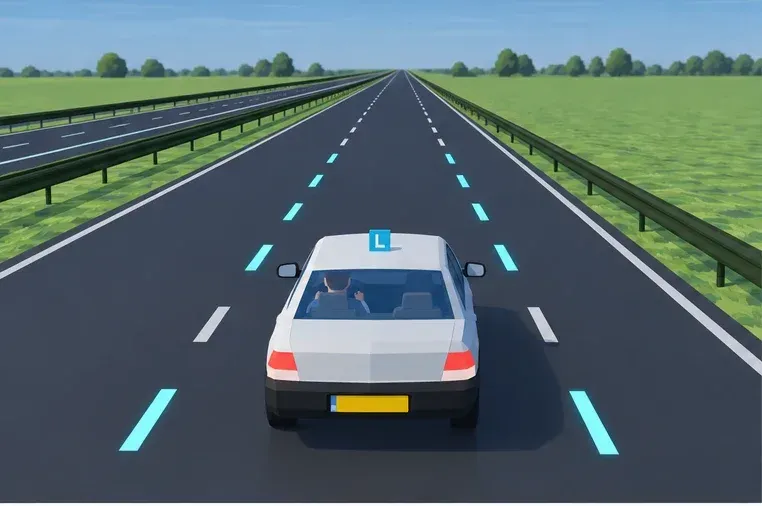
Hands on the wheel and attention to the road connect system knowledge with active vehicle control.
The introduction to Rijprocedure B gives seven principles. Chapter 1 covers four guidelines for preparation and operation; chapter 2 gives four for safe traffic participation. Together they guide assisted driving behaviour.
The core remains safe, comfortable, considerate and appropriate driving. Assess not just whether a function exists but whether its use helps in this situation. Choosing a shorter ACC gap to block merging does not fit that aim. The current Rijprocedure B is the framework’s source.
New vehicle requirements do not make cars identical
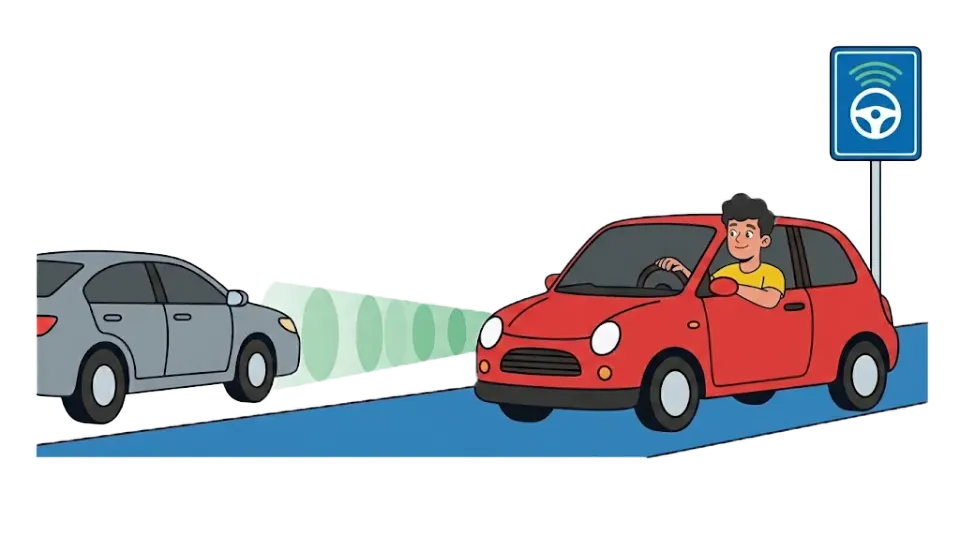
Even mandatory ISA may miss a temporary limit: the sign says 50, the display 80.
EU safety requirements were introduced in stages, first for new vehicle types and then more broadly for new vehicles. Since 7 July 2024, ISA, drowsiness warning and reversing detection have been required in the relevant new vehicle categories; new cars and vans also have emergency-braking and lane-safety requirements.
Requirements expanded from 7 July 2026, including emergency-braking detection of pedestrians and cyclists and distraction warning. These apply to new vehicles rather than imposing a general retrofit duty on existing cars. Check the actual equipment. See the EU safety regulation.
You've covered What should you learn about driver assistance?. Does it stick?
The seven principles in the introduction to Rijprocedure B help explain safe use of assistance. Below they are expressed in our own words, with pictures showing their practical meaning.
1. You carry out the driving task
You brake when needed; the emergency system supplements you.
Even with assistance you observe, decide and intervene as necessary. Maintain distance and adapt your driving. This concerns responsibility for carrying out the driving task. It does not automatically establish legal liability in every accident or exclude manufacturer liability.
2. Good driving remains the aim
Giving a merger space may be safer and more considerate than maintaining the selected ACC gap.
Safe, comfortable, considerate and appropriate driving is possible with or without assistance. Use technology when it supports that aim. Do not let it encourage harsh braking, obstruction or closing a gap. A good traffic outcome matters more than always keeping a function active.
3. Know purpose, operation and controls
A parking feature may only inform or may also steer. Check which tasks your version takes over before use.
You do not need to repair the electronics. You should reasonably understand a system’s purpose, safe use and cancellation or takeover. Ask for an explanation in a rental or lesson car. Ask before departure instead of searching during a difficult traffic situation.
4. Names, versions and conditions differ
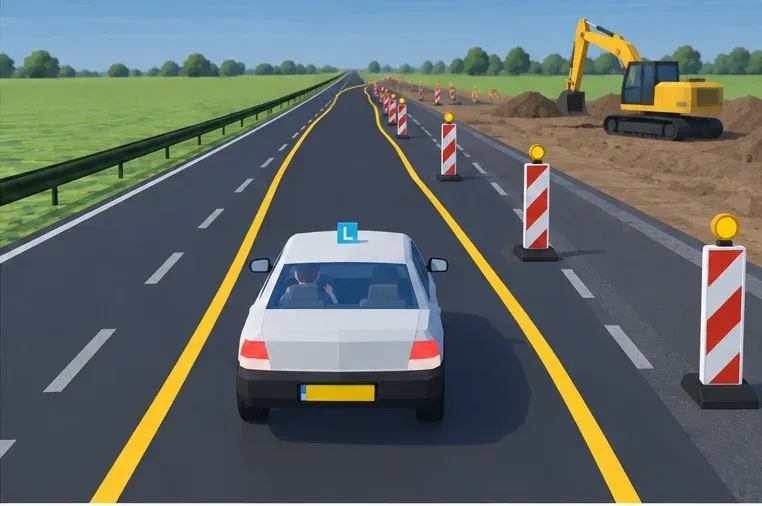
Simultaneous white and yellow lines may complicate recognition. You choose the applicable route.
The same name does not guarantee identical operation. Braking capability, speeds and warnings differ. Rain, snow, markings and traffic affect each system in its own way. Learn your version and keep cameras and sensors clear; do not treat a general online promise as a guarantee.
5. Know capabilities and limits
ISA displays 80 while the temporary limit is 50. Assistance can provide incorrect information.
Know what support can offer and which limitation may matter. A camera may miss a sign, ACC may recognise a stationary queue late and a parking sensor may miss an obstacle. Keep observing and act early. A system message determines neither priority nor traffic rules.
6. Choose ordinary support deliberately
The driver keeps observing the queue and can intervene immediately. Support is used deliberately.
Decide whether information or assistance suits this road, weather and your condition. Emergency systems are a different category: do not plan ordinary driving around emergency intervention. The technical ability to deactivate some functions does not make waiting for an emergency response safe. Follow the handbook for necessary adjustments.
7. Prevent technology from making you less careful
The shoulder check remains part of safe observation even with blind-spot detection.
A major risk is negative behavioural adaptation: following closer because AEB will brake, observing less because of sensors or cornering faster because of ESP. Recognise such habits in yourself. Preserve the safety margins you need without assistance and maintain an active posture.
The eight guidelines from chapters 1 and 2, with example questions.
Four guidelines in chapter 1 and four in chapter 2 of Rijprocedure B connect preparation with safe driving. These eight points are explained in our own words and applied in complete practice situations.
1. Prepare for this car’s systems
Before driving find out whether parking assistance only provides information or also steers.
In an unfamiliar car, check which systems affect driving. Learn controls, availability messages and takeover. A familiar system name does not mean identical controls or behaviour.
2. Check sensors and respond to faults
Snow and mud around the front sensor require checking before relying on assistance.
Check cameras and sensors for dirt, snow and obstruction. Stay alert to faults or unexpected behaviour. Take control, adapt speed and gap and investigate only at a safe location.
3. Choose safe settings
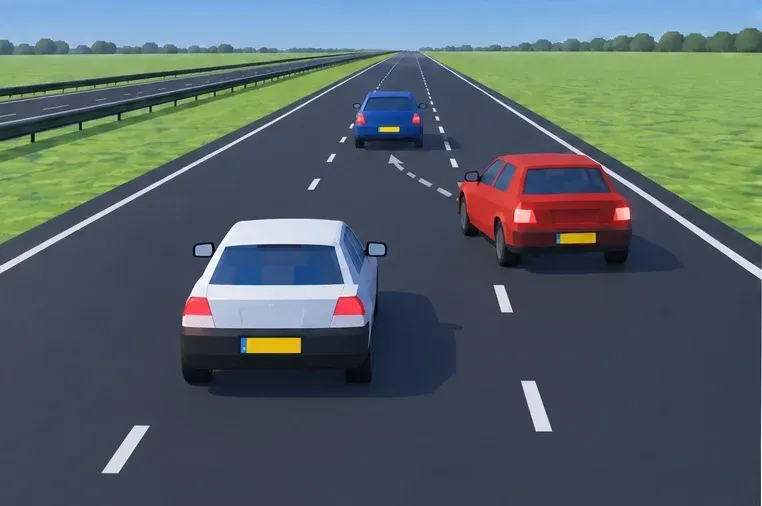
The merger uses space ahead. A safe ACC gap remains necessary.
Choose settings that support safe, comfortable and considerate driving. Selecting the shortest ACC gap to block merging is the wrong aim. Menu bars are not a universal distance; assess actual space.
4. Remain ready to take over
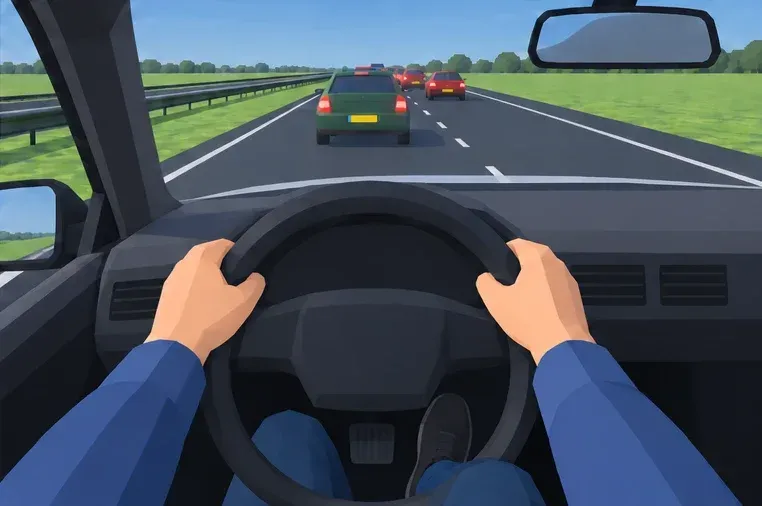
Hands remain on the wheel and attention follows the bend.
Sit actively, watch the road and remain able to brake or steer immediately. Lane assistance is no reason to lean back or let go. Operate the car without distraction.
5. Monitor both the car and traffic
The queue is visible through the windscreen. Also monitor your own car’s response.
Continue monitoring traffic and the car’s response. Look beyond one vehicle ahead. Check whether support remains active and speed and gap stay safe, without prolonged staring at a screen.
6. Observe directly and choose consciously
A shoulder check supplements mirrors before a lane change.
Base manoeuvres on direct observation and safe space. Choose ordinary support deliberately. A blind-spot lamp provides extra information; no warning does not permit moving without looking. Emergency interventions do not replace preparation.
7. Respond smoothly and appropriately to warnings
A recognised lane and a warning require checking your actual position.
Check what is actually happening and respond to the traffic situation. Steering vibration may require correcting position; an imminent collision may require immediate braking. Do not jerk the wheel or make a blind sudden manoeuvre just to silence a beep.
8. Adapt assistance when the situation requires
Temporary yellow lines may differ from the camera’s choice. Follow the correct route yourself.
Road, weather, traffic, driver condition or system messages can require a different setting or activation/deactivation. Systems differ. First take over safely and follow the handbook; stop somewhere safe if uncertain.
Practice situations like those in the exam
First inspect the picture and question. The options, correct answer and explanation follow below. These are Theorio practice questions, not official CBR questions.
You enter an unfamiliar rental car. What do you do before departure?
Before driving find out whether parking assistance only provides information or also steers.
Check relevant systems and controls
Try every button while driving
Assume it matches your lesson car
Correct answer: Check relevant systems and controls
Explanation: Preparation prevents searching and distraction during driving.
A warning says the front sensor is blocked. What do you do?
Snow and mud around the front sensor require checking before relying on assistance.
Keep relying on gap control
Drive safely yourself and check the cause at a safe place
Ignore it while things seem fine
Correct answer: Drive safely yourself and check the cause at a safe place
Explanation: Do not count on potentially unavailable assistance. Clean safely as instructed.
You select the shortest ACC gap to block merging. Is that appropriate?
The merger uses space ahead. A safe ACC gap remains necessary.
Yes, others must wait
No, choose an actually safe gap
Yes, AEB solves every problem
Correct answer: No, choose an actually safe gap
Explanation: Assistance must not encourage closer or less considerate following.
The car assists steering and gap control. May you read your phone?
Hands remain on the wheel and attention follows the bend.
Yes, while the lamp is green
No, remain active and ready
Only at low speed
Correct answer: No, remain active and ready
Explanation: This assistance does not take over the whole driving task. Keep attention on the road, traffic and car.
What do you monitor with ACC in a queue?
The queue is visible through the windscreen. Also monitor your own car’s response.
Only the ACC setting
Only the car directly ahead
Traffic and your car’s response and status
Correct answer: Traffic and your car’s response and status
Explanation: Active monitoring combines events outside with the car’s actual response.
Your blind-spot lamp stays off. What do you do before moving across?
A shoulder check supplements mirrors before a lane change.
Check mirrors, blind spot and space yourself
Steer immediately
Only indicate
Correct answer: Check mirrors, blind spot and space yourself
Explanation: No warning does not guarantee clear space. Your observation remains necessary.
Lane assistance vibrates while you drift towards a line. What do you do?
A recognised lane and a warning require checking your actual position.
Jerk the wheel without looking
Check position and correct smoothly
Ignore it because the car steers
Correct answer: Check position and correct smoothly
Explanation: The response must safely fit your position and other traffic.
At roadworks LKA steers towards the wrong marking. What do you do?
Temporary yellow lines may differ from the camera’s choice. Follow the correct route yourself.
Keep following the system
Follow the applicable route yourself and safely adjust or cancel support
Search menus at length while driving
Correct answer: Follow the applicable route yourself and safely adjust or cancel support
Explanation: Your route judgement comes first. Safe takeover comes before changing settings.
The practical exam assesses your ability with or without assistance. Know the exam car, observe actively and respect the two exceptions for automatic parking and hands-off, eyes-on systems.
Demonstrate your control of the car
Active steering and observation demonstrate your ability even with assistance.
Assistance may be used in the practical exam within the applicable exceptions. The examiner assesses safe, comfortable, considerate and appropriate driving. Choosing whether to use ordinary assistance does not by itself determine the result.
Demonstrate direct observation, ability to intervene and suitable settings. Discuss the exam car’s systems before departure. Know how to cancel a function and recognise unavailable support.
Preparation and independent driving
Clean cameras and sensors are a practical preparation you can explain yourself.
Prepare to discuss fitted systems and safe operation, such as clean cameras, warning locations and an appropriate response to failure. You do not need to memorise every technical component.
When driving independently with navigation, enter the route safely and keep following actual signs and the road. A route instruction does not permit a prohibited or dangerous manoeuvre. Learn the navigation and relevant assistance controls before driving.
Two practical-exam exceptions
During a parking task in the special manoeuvres the candidate must perform the manoeuvre personally.
Automatic parking may not be used during special manoeuvres: the examiner must assess your operation and control in confined space. Ordinary sensors and cameras may provide supplementary information; you still observe personally.
Hands-off, eyes-on systems are also excluded by the current CBR application. These are systems allowing hands off the wheel while eyes must remain on the road. This specific exam exception does not prohibit every light steering-assistance function. See CBR application of Rijprocedure B.
You've covered And on your practical exam?. Does it stick?
Three systems that come up often but have no page of their own.
Also know eCall, hill hold and rear cross-traffic warning. They assist in very different situations, each with its own controls and limits.
eCall: automatic and manual emergency calling
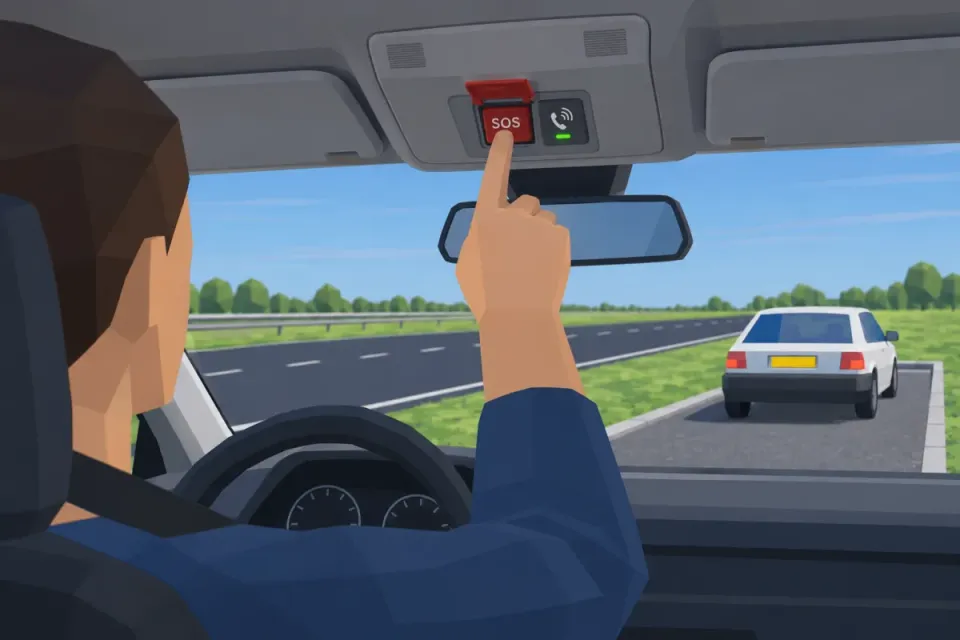
The SOS button can start a 112 emergency call. Use it for a genuine emergency and learn its operation before departure.
The 112 eCall system can automatically contact an emergency centre after a detected serious crash, transmitting necessary information including location. It can also be activated manually when urgent help is needed. This distinction matters: eCall is not exclusively automatic or something you never operate yourself.
Do not assume every collision triggers a call. It does not replace ordinary steps to protect yourself and others and arrange help. The 112 service is free. EU fitment requirements cover new car and light-van types since 31 March 2018; there is no general retrofit duty for existing cars. See Your Europe on eCall.
Hill hold: brief help when starting uphill
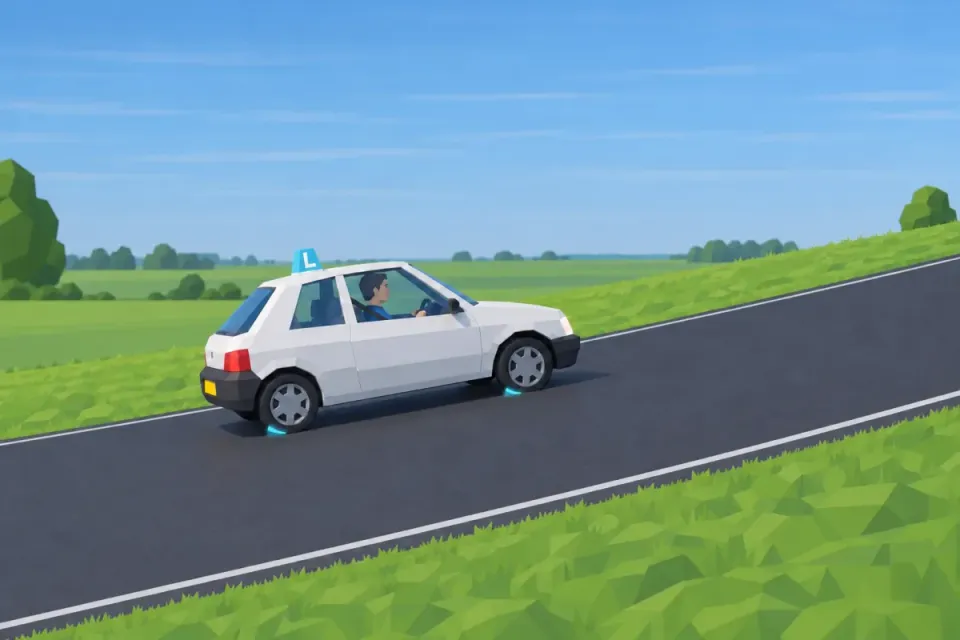
The car is stationary facing uphill. Hill hold may briefly maintain braking while the driver prepares to move off.
Hill hold assist may briefly maintain brake pressure after releasing the pedal, reducing rollback while you move off. Duration and activation conditions differ by vehicle. A fixed one- or two-second limit does not apply to every version.
It does not guarantee remaining stationary or automatically move the car off safely. Operate accelerator and clutch as applicable, check traffic and remain ready to brake again. Distinguish hill hold from Auto Hold and the parking brake: use the appropriate function for prolonged stopping or parking.
RCTA: warning about traffic approaching from the side
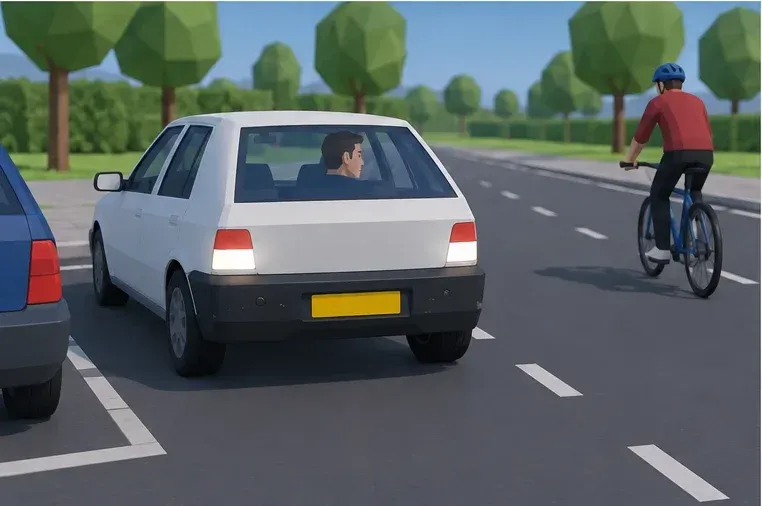
The cyclist approaches from the side towards the space behind the reversing car. Your own observation remains necessary.
Rear Cross Traffic Alert may warn of traffic approaching from left or right while reversing, for example out of a bay between tall vehicles. Range and recognition of cars, cyclists and pedestrians depend on the version. Some vehicles additionally have a separate braking function.
Never wait for a warning when you see someone yourself. Reversing is a special manoeuvre: let all other traffic go first. Stop when uncertain, look around and proceed only when space is safe.
Short answers to common questions about ADAS (driver assistance systems).
Where can I practise ADAS questions?
This site has 30 free ADAS practice questions in CBR style, spread over three quizzes of ten questions. You get an explanation with every answer. The first quiz is completely open: no account and no email address needed. You will find them at www.theorio.nl/en/rijhulpsystemen/oefenen.
Why does driver-assistance knowledge matter for my CBR exam?
You need to understand safe driving with assistance. Learn system functions and limits as well as your preparation, observations and responses to warnings. The current CBR Rijprocedure B describes this desired behaviour; recognising lamps or abbreviations alone is insufficient.
What does the abbreviation ADAS stand for?
ADAS is short for Advanced Driver Assistance Systems. The CBR and the Rijprocedure B use the Dutch word rijhulpsystemen; the car industry says ADAS. They mean the same systems, so the words are interchangeable.
What is ADAS?
ADAS stands for Advanced Driver Assistance Systems. These are the systems that help your car brake, steer and warn you, such as adaptive cruise control, automatic emergency braking, blind spot detection and lane keeping assist. They support you while you drive, but they do not take over the driving task: the driver stays responsible.
Are the example questions on this page real exam questions?
No. These are practice questions written by Theorio to apply the learning material. They are not official CBR questions and do not guarantee which questions you will receive. Each situation includes a picture, choices, the correct answer and an explanation.
May I use assistance systems during the practical exam?
Generally yes: the examiner assesses your safe driving with or without support. The current CBR Rijprocedure B has two exceptions: automatic parking is not allowed during special manoeuvres, and hands-off, eyes-on systems may not be used. Keep observing personally and remain ready to take over.
Do new EU requirements mean every car has identical assistance?
No. EU requirements were introduced in stages for new vehicle types and new vehicles, including in 2024 and 2026. There is no general retrofit duty for existing older cars. Versions, controls and detection range can differ even under the same system name. Check your own car.
How can I check whether my course covers driver assistance properly?
Check that it covers preparation, settings, active posture, direct observation, warnings and limitations as well as system names. Compare it with the current CBR Rijprocedure B. Ask the provider whether their own course has been updated.
Do I need to know how each assistance system works technically?
Not in detail. You need to know what a system can do for you, where it falls short, and above all what is expected of you while it is on. A system’s limitations matter more than the technology behind it.
Which source is this explanation based on?
The current CBR Rijprocedure B: the seven introductory principles and the four assistance guidelines in each of chapters 1 and 2. We explain these in our own words and apply them to recognisable situations. Vehicle-equipment requirements are based on EU rules.
Should I wait for a warning before intervening?
No. Act when your own observations require it. Brake for a queue or rest when sleepy even without a system warning. Assistance may respond late, be temporarily unavailable or miss a hazard.
What should I learn about driver assistance?
Know the purpose, controls and limits of your car’s systems. Learn the checks before departure, how to keep observing traffic yourself and how to respond safely to warnings or failure. This module uses the current CBR Rijprocedure B as its learning framework.