Part 8 of 8 in ADAS (driver assistance systems)
ABS and ESP
ABS and ESP keep you steerable when braking and cornering, but ABS does not always shorten your braking distance: on snow or gravel it can get longer.


Written by Chris Prosman Reviewed by Dirk van Zuijlen
Updated Reviewed on 4 min read
30 questions · start for free
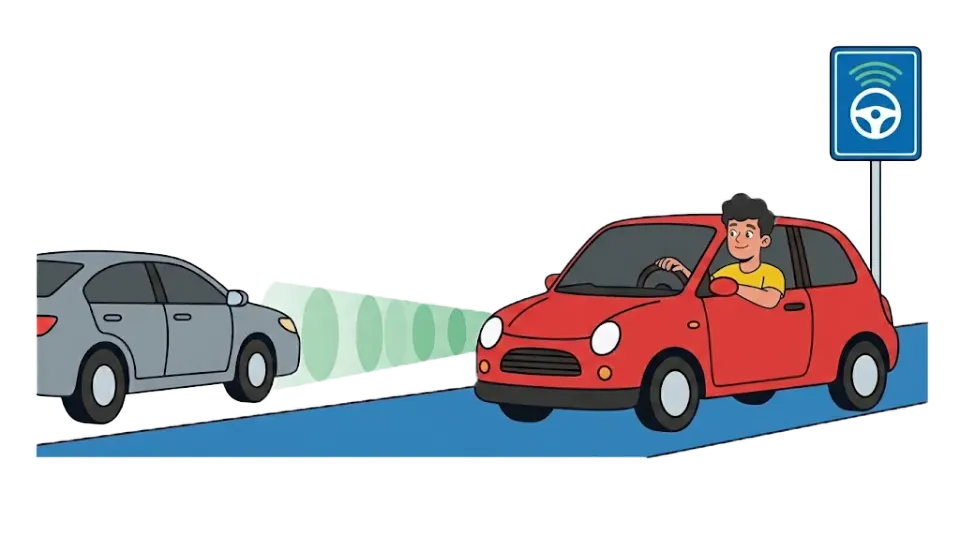
ABS stops your wheels from locking when you brake hard, so you can keep steering. ESP helps when your car is about to skid. Both only work within the grip your tyres have.
What is ABS in a car?
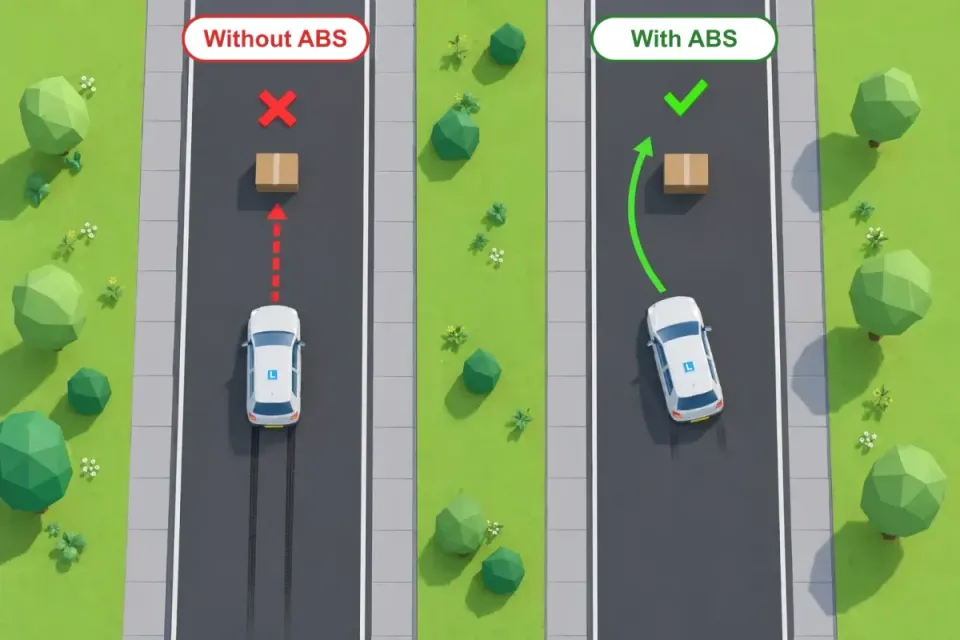
ABS stands for anti-lock braking system. When you brake very hard, your wheels can lock. They stop turning and the car slides straight on. You can no longer steer. ABS prevents that. It adjusts the braking force very quickly, so the wheels keep turning.
The big advantage: you can steer while braking hard. So you can go around an obstacle, if there really is space. ABS does not give extra grip. Your braking distance is not always shorter either. On gravel or snow it can even be longer.
Does your car have ABS? Almost all cars today do. You see the ABS light come on briefly when you start the car.
Braking with ABS: how to make an emergency stop
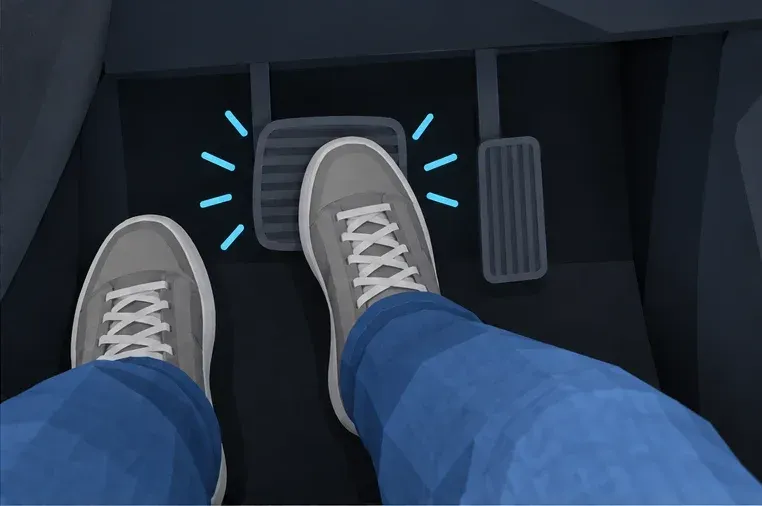
Press the brake hard and keep it pressed. The pedal may vibrate and you may hear a rattling sound. That is normal: ABS is doing its job. So do not release the brake in shock.
Do not pump the brake. ABS does that itself, and much faster. Keep looking ahead and steer calmly if there is a safe way out. Driving a car with a clutch? Follow the instructions for your car.
What is ESP in a car?
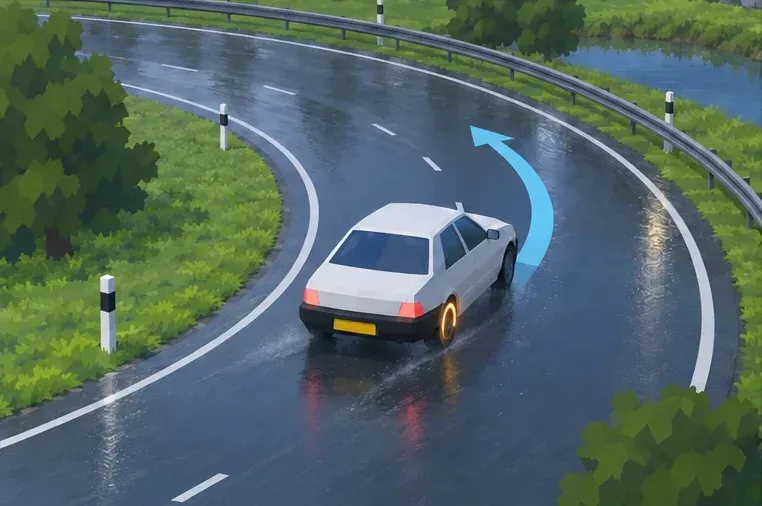
ESP stands for Electronic Stability Programme. Other names are ESC or electronic stability control. ESP compares how you steer with how the car really moves. Is the car about to skid in a bend? Then ESP brakes one or more wheels separately and reduces engine power. That helps the car go the right way again.
ESP cannot always prevent a skid. If you enter a bend too fast, or there is aquaplaning, ESP cannot save you either. So brake before the bend and steer calmly.
Is ESP the same as ABS?
No. ABS helps when you brake hard: the wheels do not lock. ESP helps when the car is about to skid, even when you are not braking. ESP does use parts of the ABS, such as the sensors that measure how fast each wheel turns. That is why both lights sometimes come on with a fault.
ABS warning light is on: can you still drive?
Is the orange ABS light on while driving? Then ABS probably does not work. Your normal brakes usually still work. Drive calmly, keep more distance and have the car checked soon. Is a red brake warning light on as well? Then stop in a safe place and do not drive on. More warning lights are explained under dashboard warning lights.
ESP light flashing or staying on: what does it mean?
Is the ESP light flashing while you drive? Then ESP is stepping in at that moment. You are at the limit of your grip. Drive more calmly. Does the light stay on? Then ESP is switched off or there is a fault. This differs per car. Check your owner’s manual and have a fault checked.
ESP on or off: when do you switch ESP off?
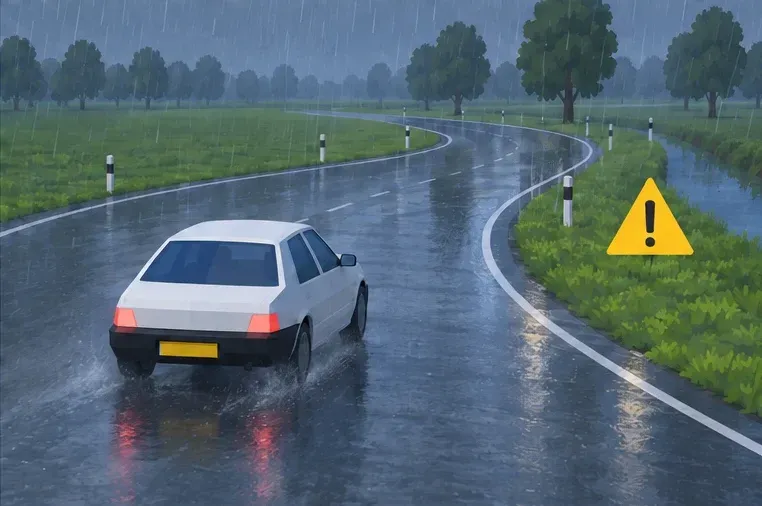
In normal driving ESP is always on. In some cars you can switch ESP or traction control (partly) off. That is meant for special situations. For example pulling away in deep snow or mud, where the wheels need to spin a little.
Switch ESP back on straight away afterwards. In normal cars you usually cannot switch ABS off. Always follow your car’s owner’s manual.
Practise like the exam
Example questions like in the CBR exam
Real questions from the Theorio app. You can expect similar questions in your CBR exam.
Question 1 of 3
The ABS brake pedal pulses during an emergency stop. What do you do?
Tap the answer you think is right.
ESP intervenes in this wet bend. What does that mean for your driving?
Tap the answer you think is right.
What is the main benefit of ABS during hard braking?
Tap the answer you think is right.
Answers and explanations for the example questions
Question 1: The ABS brake pedal pulses during an emergency stop. What do you do?
Correct answer: Maintain firm braking while necessary
Pedal pulsation may be normal ABS operation. The system regulates pressure; releasing or pumping does not help.
Question 2: ESP intervenes in this wet bend. What does that mean for your driving?
Correct answer: That you must keep assessing grip and speed
ESP supports stability but cannot remove insufficient grip or excessive speed. Prevent another emergency.
Question 3: What is the main benefit of ABS during hard braking?
Correct answer: Generally retaining steering ability by limiting prolonged wheel locking
ABS can help retain steering during braking. It guarantees neither a short stop, a safe escape route nor avoidance of a crash.
See if you can handle the new question style
Three quizzes of ten questions on driver assistance systems, in the style the CBR uses as of 1 October. Instant explanation with every answer.
30 questions · start for free
Your first quiz is free, no account needed. After that from €34.99 for 90 days of access.