Part 6 of 8 in ADAS (driver assistance systems)
Driver drowsiness detection
Driver drowsiness detection spots steering behaviour that suggests fatigue: a warning, not a measurement. See the coffee cup? Stop and take a break.


Written by Chris Prosman Reviewed by Dirk van Zuijlen
Updated Reviewed on 2 min read
30 questions · start for free
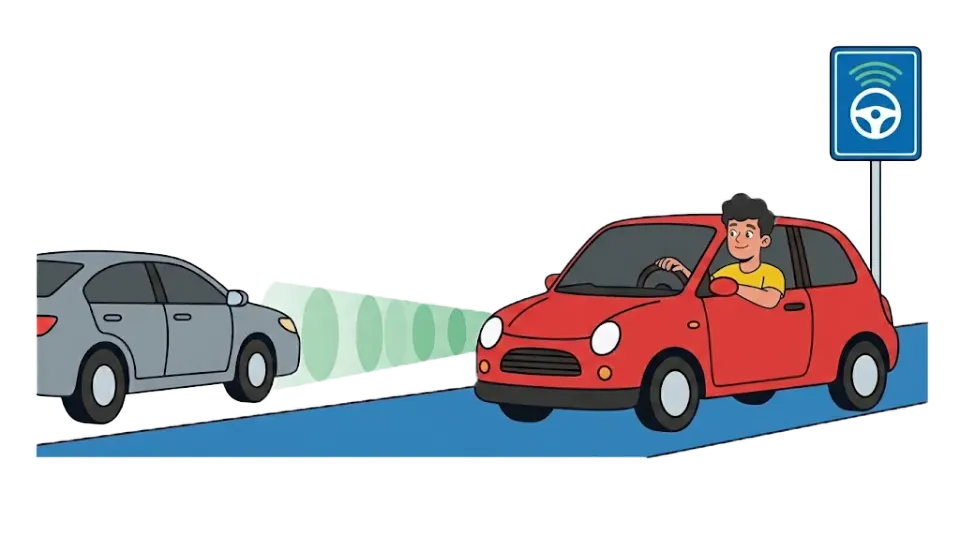
A driver alert system warns you when you seem to get tired. Never wait for that warning. Feeling sleepy? Find a safe place to stop and take a rest.
What is a driver alert system?
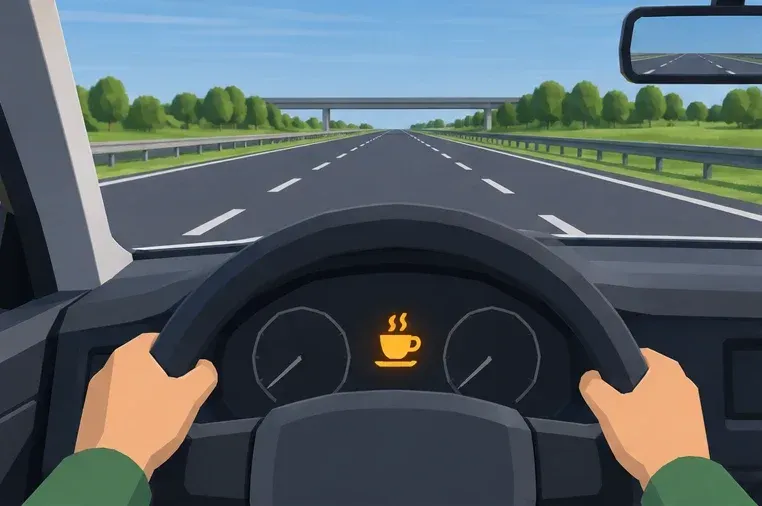
A driver alert system is a system for drowsiness detection. It is also called driver attention alert or fatigue warning. The system looks for signs that you are less alert. For example:
- how you steer, such as small jerks or weaving;
- how well you stay in your lane;
- how long you have been driving;
- in some cars: your eyes and head, through a camera inside the car.
The system does not know how much you have slept. It may warn early, late or not at all.
Driver alert or coffee cup on your dashboard: what do you do?
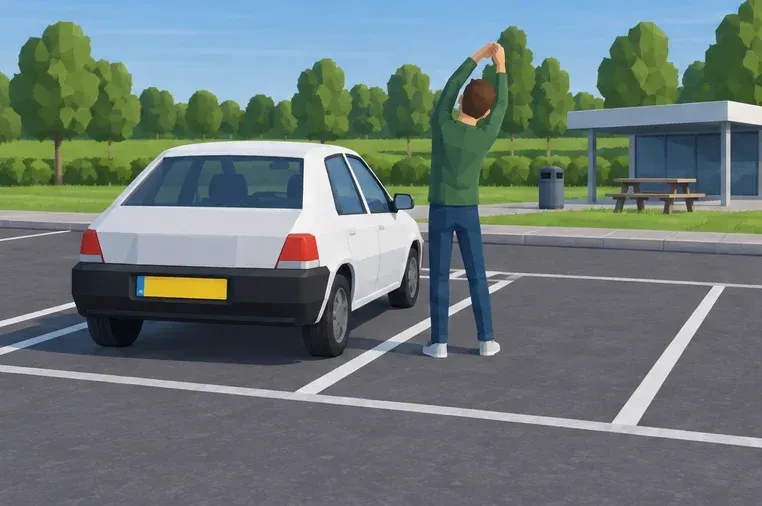
Do you see a coffee cup or a message telling you to take a break? Take it seriously. Do this:
- Keep driving calmly and watch the traffic closely.
- Drive to the first safe place to stop, such as a car park or service area.
- Take a real rest. If needed, let someone who is fit drive.
Do not stop on the hard shoulder to rest. It is for emergencies only. Still sleepy after the break? Then do not drive on.
Recognising tiredness behind the wheel
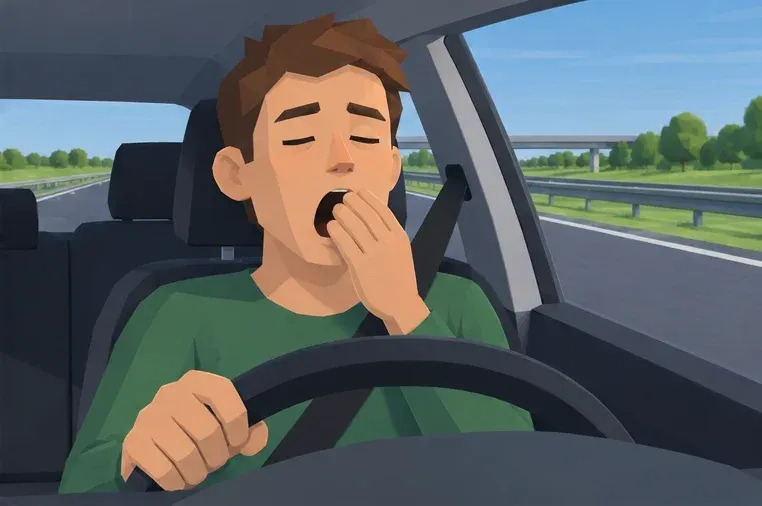
Your own signals matter more than a warning light. Stop when you notice this:
- heavy eyelids or yawning a lot;
- trouble concentrating;
- you cannot remember the last few kilometres;
- you touch the lines or weave in your lane.
You can fall asleep for a few seconds without noticing. This is called a microsleep. Coffee, loud music or an open window do not fix a lack of sleep. Rest and sleep do.
Start a long trip well rested and plan breaks. The advice: take a break of at least 15 minutes every 2 hours. Medicines and alcohol also make you less alert. More under alcohol and drugs.
How do I turn off the driver attention warning?
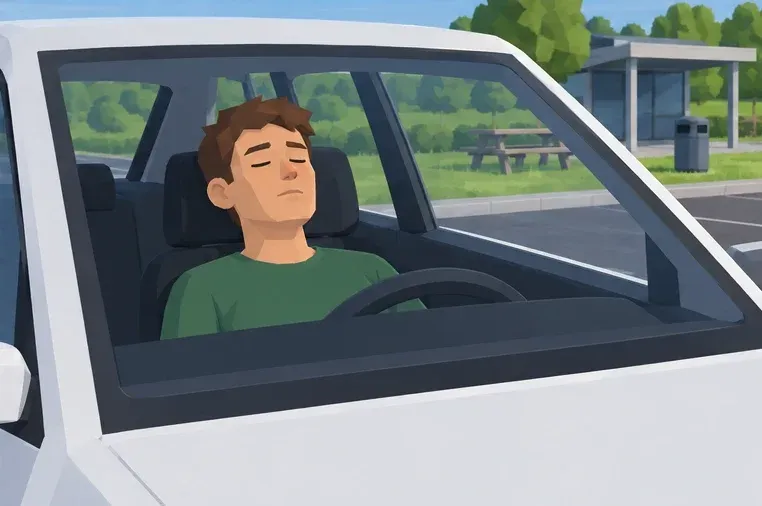
In some cars you can switch the warning off or change its settings in the menu. This differs per car. Switching it off does not make you less tired.
Is the system not working, or switched off? The answer stays the same: watch your own signals and stop in time. Does your car use a camera inside? Keep it uncovered.
Practise like the exam
Example questions like in the CBR exam
Real questions from the Theorio app. You can expect similar questions in your CBR exam.
Question 1 of 4
How many hours should you take a break?
Tap the answer you think is right.
How many minutes should you take a break after driving for 2 hours?
Tap the answer you think is right.
What affects your reaction time?
Tap the answer you think is right.
You have rested well for a while. Can you reduce your stopping distance with that?
Tap the answer you think is right.
Answers and explanations for the example questions
Question 1: How many hours should you take a break?
Correct answer: 2 hours
It is strongly recommended to take a break after every 2 hours of driving. This is to prevent fatigue and loss of concentration. ☕
Question 2: How many minutes should you take a break after driving for 2 hours?
Correct answer: 15 minutes
A break of at least 15 minutes is the advice. Get out of the car for a moment and move around to be able to drive fresh again. 🧘♂️
Question 3: What affects your reaction time?
Correct answer: All of the above options
All 3 factors negatively affect your reaction time. Both distraction (phone), depressants (alcohol), and your physical condition (fatigue) cause you to react more slowly. ⚠️
Question 4: You have rested well for a while. Can you reduce your stopping distance with that?
Correct answer: Yes
Yes, because when you are fit, your reaction time is shorter. Because you react faster, you start braking earlier and your total stopping distance is shorter than when you are tired. 🧠
See if you can handle the new question style
Three quizzes of ten questions on driver assistance systems, in the style the CBR uses as of 1 October. Instant explanation with every answer.
30 questions · start for free
Your first quiz is free, no account needed. After that from €34.99 for 90 days of access.