Part 11 of 13 in ADAS (driver assistance systems)
What should you learn about driver assistance?
The CBR asks less about which driver assistance systems exist and more about using them safely. How to learn their function, limits and your own role.
Summarize with AI
In short
For every driver assistance system you learn its function, its limitations and your own actions, using the current Rijprocedure B as a framework.
- A warning does not replace your own check of mirrors and blind spot.
- Since 7 July 2024 ISA and drowsiness warning, among others, are required in new vehicles.
- New requirements apply to new vehicles, not as a retrofit duty for your existing car.
- Check the version in the car you drive.
From recognising a system to using it safely
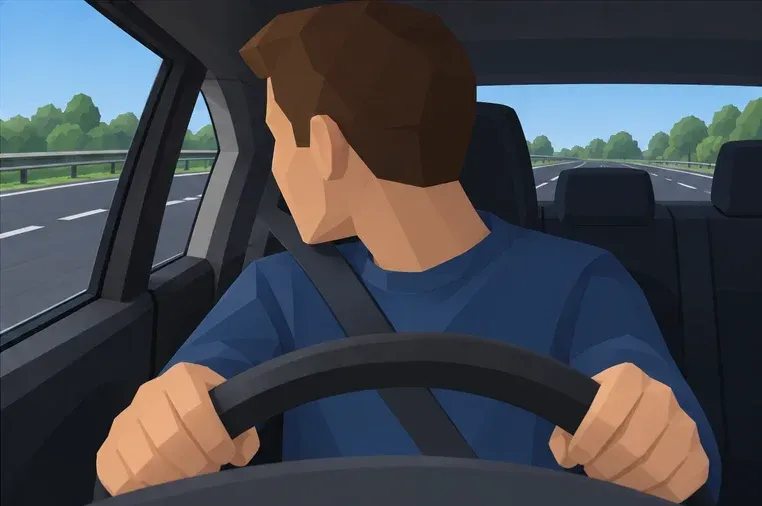
Learn both function and appropriate behaviour. With blind-spot detection, for example, understand the warning and check mirrors, blind spots and safe space yourself. With ACC, set the gap and keep looking ahead.
Ask consistently: what should I check before driving, what information does the car give, what do I observe directly, which limit may apply and what action is safe? This works with unfamiliar versions without tricks about an answer always being correct.
A connected learning framework
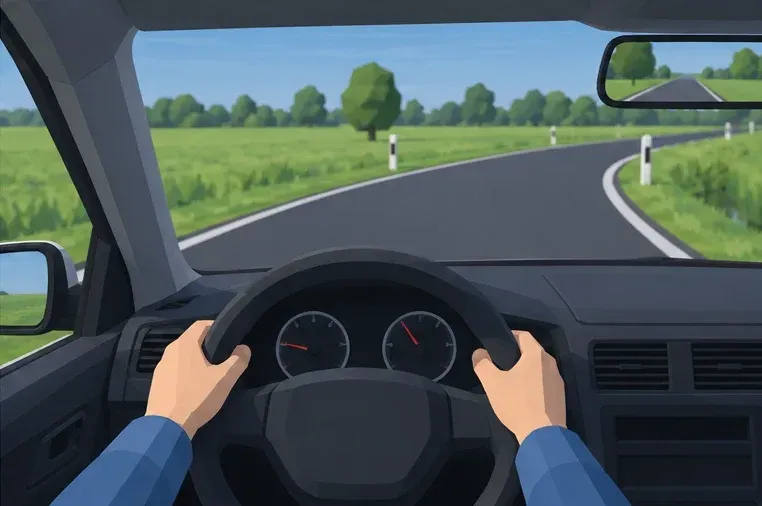
The introduction to Rijprocedure B gives seven principles. Chapter 1 covers four guidelines for preparation and operation; chapter 2 gives four for safe traffic participation. Together they guide assisted driving behaviour.
The core remains safe, comfortable, considerate and appropriate driving. Assess not just whether a function exists but whether its use helps in this situation. Choosing a shorter ACC gap to block merging does not fit that aim. The current Rijprocedure B is the framework’s source.
New vehicle requirements do not make cars identical
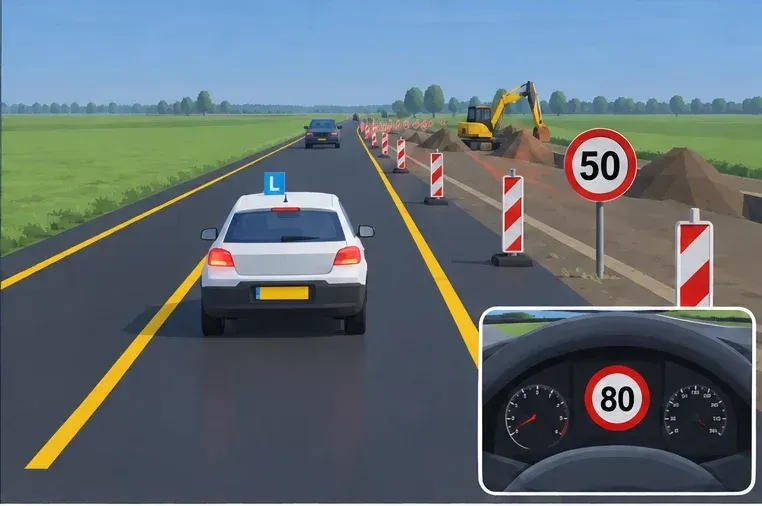
EU safety requirements were introduced in stages, first for new vehicle types and then more broadly for new vehicles. Since 7 July 2024, ISA, drowsiness warning and reversing detection have been required in the relevant new vehicle categories; new cars and vans also have emergency-braking and lane-safety requirements.
Requirements expanded from 7 July 2026, including emergency-braking detection of pedestrians and cyclists and distraction warning. These apply to new vehicles rather than imposing a general retrofit duty on existing cars. Check the actual equipment. See the EU safety regulation.
About the editorial team
Written by people who know the CBR exam, checked by a second pair of eyes before it goes live.

Chris is the architect of Theorio's learning environment and Head of Product. He turns studying into an interactive, adaptive and motivating experience that helps learners practice exactly where they can still grow.

Dirk is the driving force and strategic mind behind Theorio's mission. He focuses on broad social impact: better theory education, safer drivers and fewer unnecessary failed exams.
See if you can handle the new question style
Three quizzes of ten questions on driver assistance systems, in the style the CBR uses as of 1 October. Instant explanation with every answer.
4.7/5 on the App Store 18,000+ students
30 questions · start for free
Your first quiz is free, no account needed. After that from €34.99 for 90 days of access.