Part 10 of 13 in ADAS (driver assistance systems)
The CBR's 7 principles for driver assistance
The seven principles from the CBR's Rijprocedure B: you do the driving, know each system's limits and never let technology make you less careful.
Summarize with AI
In short
The seven principles in the introduction to Rijprocedure B explain how to use driver assistance safely. The key one: you perform the driving task, even with assistance.
- Good driving remains the goal, with or without a system.
- Know the purpose, operation and controls of the systems in your car.
- A system can miss a sign or give wrong information: keep observing yourself.
- Keep the same safety margins you need without assistance.
1. You carry out the driving task
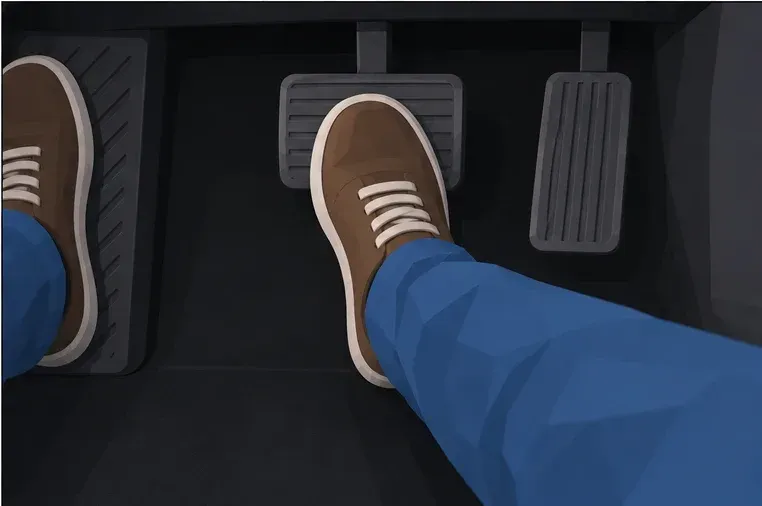
Even with assistance you observe, decide and intervene as necessary. Maintain distance and adapt your driving. This concerns responsibility for carrying out the driving task. It does not automatically establish legal liability in every accident or exclude manufacturer liability.
2. Good driving remains the aim
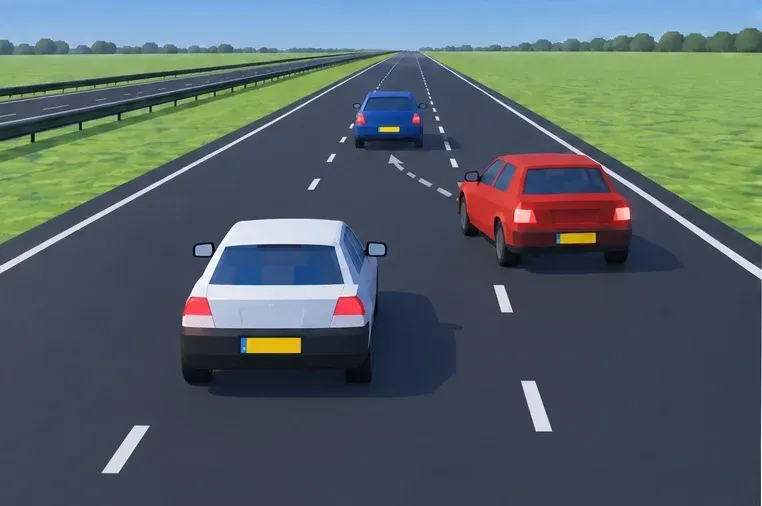
Safe, comfortable, considerate and appropriate driving is possible with or without assistance. Use technology when it supports that aim. Do not let it encourage harsh braking, obstruction or closing a gap. A good traffic outcome matters more than always keeping a function active.
3. Know purpose, operation and controls
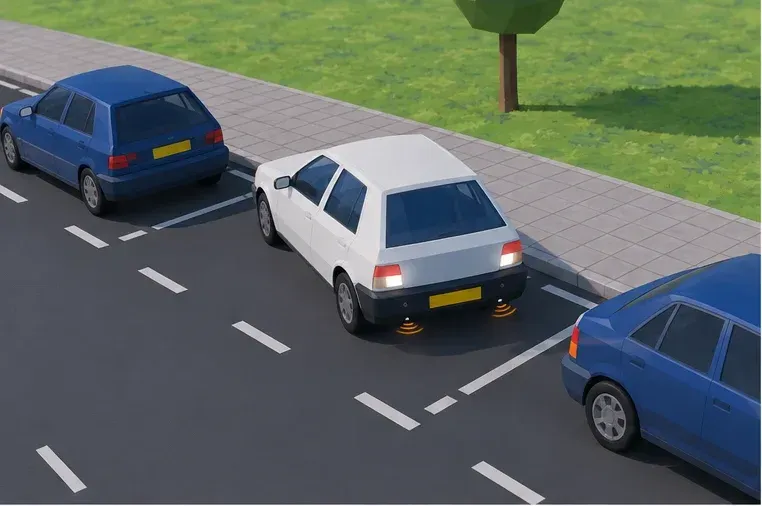
You do not need to repair the electronics. You should reasonably understand a system’s purpose, safe use and cancellation or takeover. Ask for an explanation in a rental or lesson car. Ask before departure instead of searching during a difficult traffic situation.
4. Names, versions and conditions differ
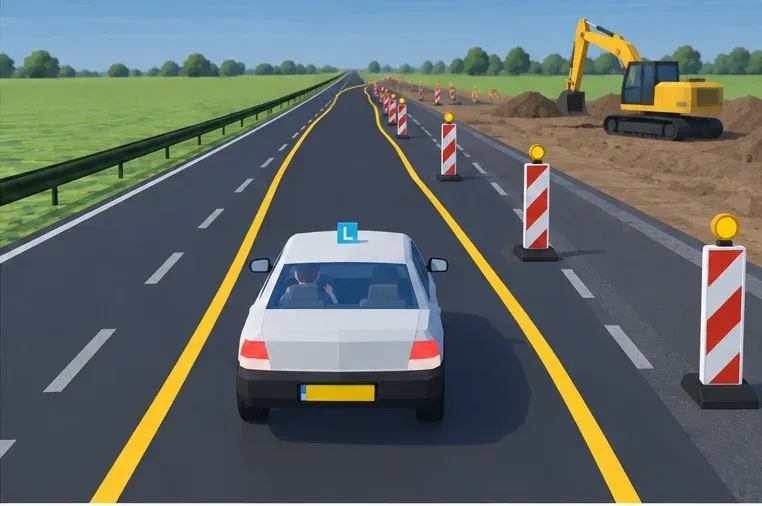
The same name does not guarantee identical operation. Braking capability, speeds and warnings differ. Rain, snow, markings and traffic affect each system in its own way. Learn your version and keep cameras and sensors clear; do not treat a general online promise as a guarantee.
5. Know capabilities and limits
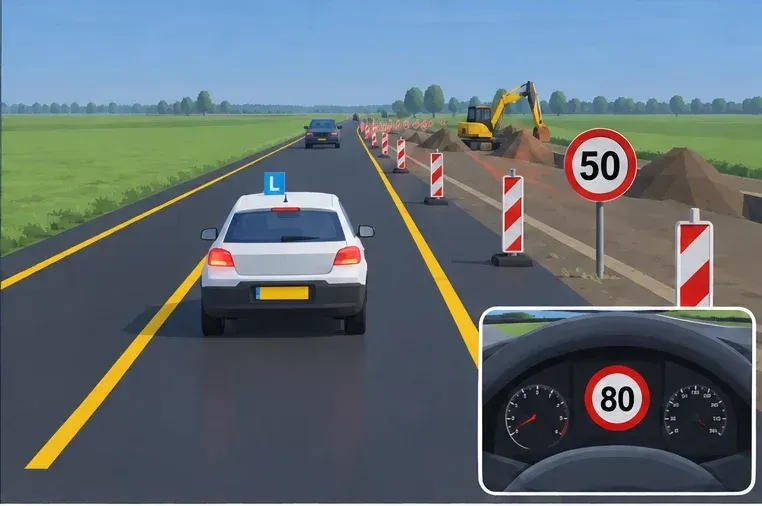
Know what support can offer and which limitation may matter. A camera may miss a sign, ACC may recognise a stationary queue late and a parking sensor may miss an obstacle. Keep observing and act early. A system message determines neither priority nor traffic rules.
6. Choose ordinary support deliberately
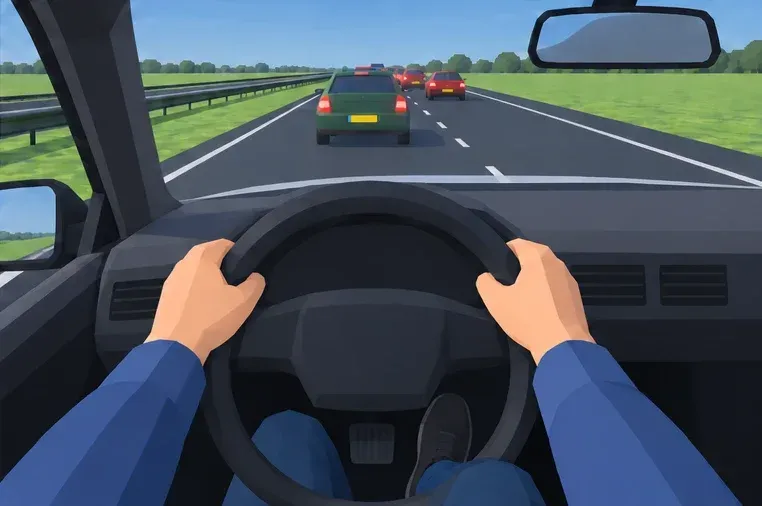
Decide whether information or assistance suits this road, weather and your condition. Emergency systems are a different category: do not plan ordinary driving around emergency intervention. The technical ability to deactivate some functions does not make waiting for an emergency response safe. Follow the handbook for necessary adjustments.
7. Prevent technology from making you less careful

A major risk is negative behavioural adaptation: following closer because AEB will brake, observing less because of sensors or cornering faster because of ESP. Recognise such habits in yourself. Preserve the safety margins you need without assistance and maintain an active posture.
Source: CBR Rijprocedure B, introduction (July 2026 version)
About the editorial team
Written by people who know the CBR exam, checked by a second pair of eyes before it goes live.

Chris is the architect of Theorio's learning environment and Head of Product. He turns studying into an interactive, adaptive and motivating experience that helps learners practice exactly where they can still grow.

Dirk is the driving force and strategic mind behind Theorio's mission. He focuses on broad social impact: better theory education, safer drivers and fewer unnecessary failed exams.
See if you can handle the new question style
Three quizzes of ten questions on driver assistance systems, in the style the CBR uses as of 1 October. Instant explanation with every answer.
4.7/5 on the App Store 18,000+ students
30 questions · start for free
Your first quiz is free, no account needed. After that from €34.99 for 90 days of access.