Part 7 of 9 in Driving on the motorway
Working out braking and stopping distance
Braking and stopping distance: stopping distance = reaction time + braking distance, and twice the speed means four times the braking distance.


Written by Chris Prosman Reviewed by Dirk van Zuijlen
Updated Reviewed on 5 min read
Free mock exam · no account needed
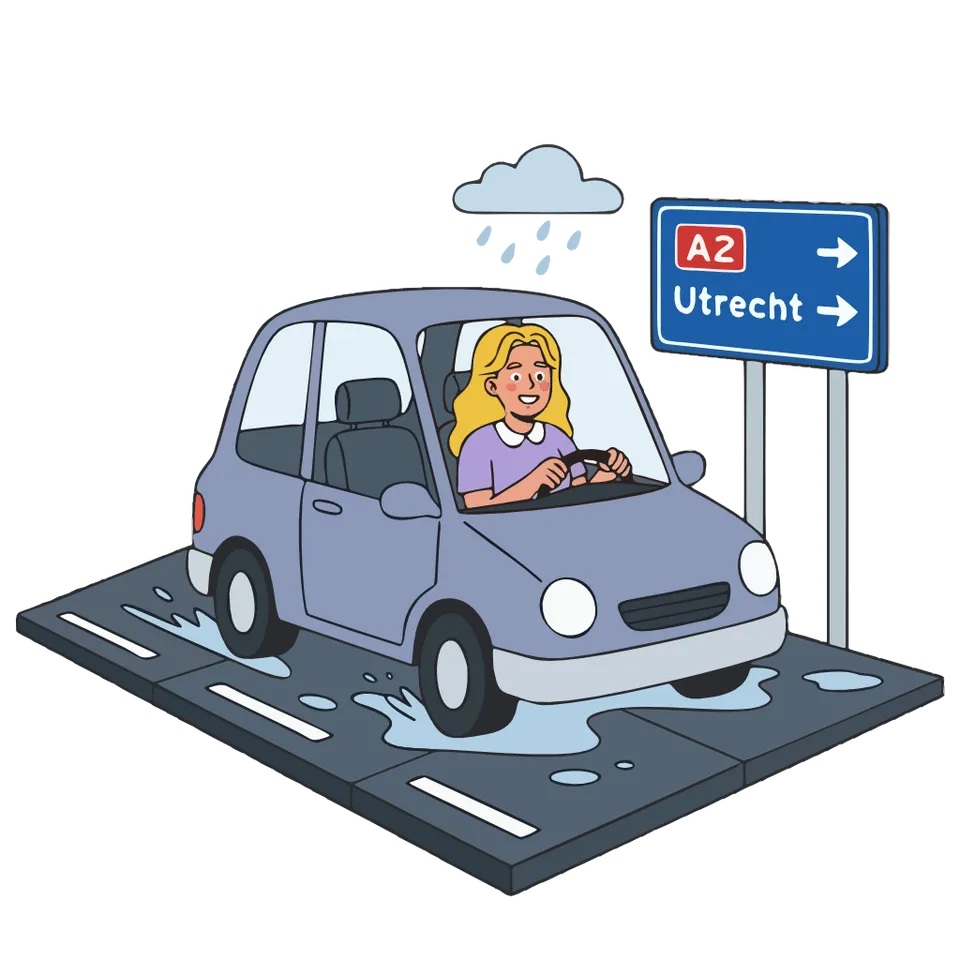
Your stopping distance is your reaction distance plus your braking distance. First you keep driving while you react. Then you brake until you stop. The faster you drive, the longer both get. Below you can read how to work them out.
Calculator
Work out your reaction distance and braking distance
Stopping distance = reaction distance + braking distance. Pick a speed and see how far you travel before you brake, and how much longer your braking distance gets when you drive faster.
Normally about 1 second. Tiredness, alcohol, drugs, medicines and your phone make your reaction time longer.
Reaction distance
This is how far you keep going at full speed before your foot is on the brake.
Formula: 100 km/h ÷ 3.6 × 1 s = 27.8 m
Braking distance
At 100 km/h your braking distance is 4× as long as at 50 km/h.
Formula: (100 ÷ 50)² = 4
Twice as fast is four times as long: braking distance grows with the square of your speed. How many metres your braking distance is depends on the road surface, your tyres, the weight and the weather. A wet road, risk of skidding and extra weight make it longer.
A rule of thumb from the CBR theory, not an exact calculation.
What is the stopping distance?
The stopping distance is the distance you travel from the moment you see danger until you stop. It has two parts:
- Reaction distance: the metres you drive before you start braking.
- Braking distance: the metres from the moment you start braking until you stop.
- Stopping distance = reaction distance + braking distance.
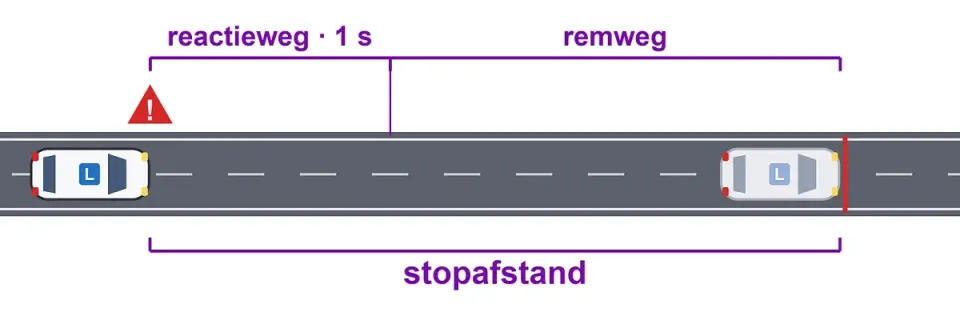
Only add metres to metres. You cannot add a reaction time in seconds to a distance in metres.
How to calculate reaction distance
Convert your speed to metres per second and multiply by your reaction time: reaction distance = speed in km/h ÷ 3.6 × reaction time in seconds.
Example: you drive 100 km/h and your reaction time is 1 second. 100 ÷ 3.6 is almost 28 metres per second. Your reaction distance is then about 28 metres. At 130 km/h it is about 36 metres.
What is the average reaction time of a driver?
About 1 second. Most examples use that. In real life it differs per person and per moment. If you get slower, your reaction time gets longer and so does your reaction distance.
What makes your reaction time longer?
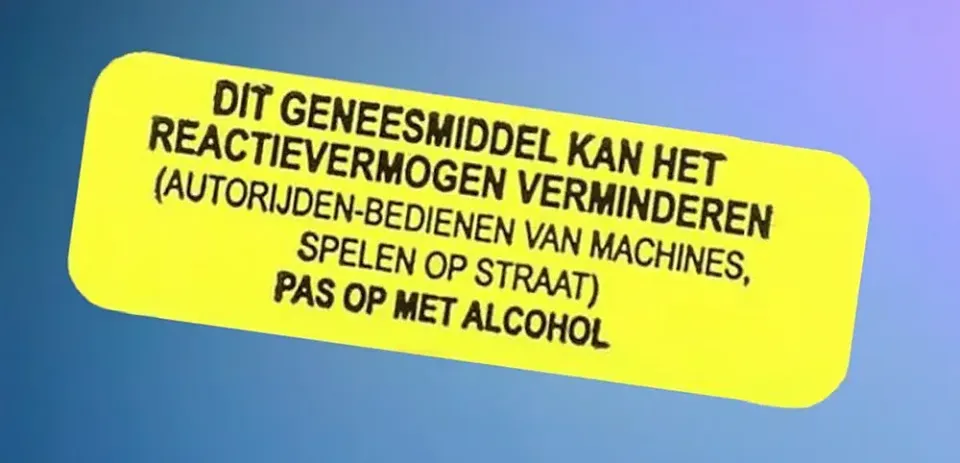
Alcohol, drugs, some medicines, tiredness and distraction. They make your reaction distance and your stopping distance longer. Which alcohol limits apply and what a yellow medicine sticker means is explained on alcohol, blood alcohol and medicines.
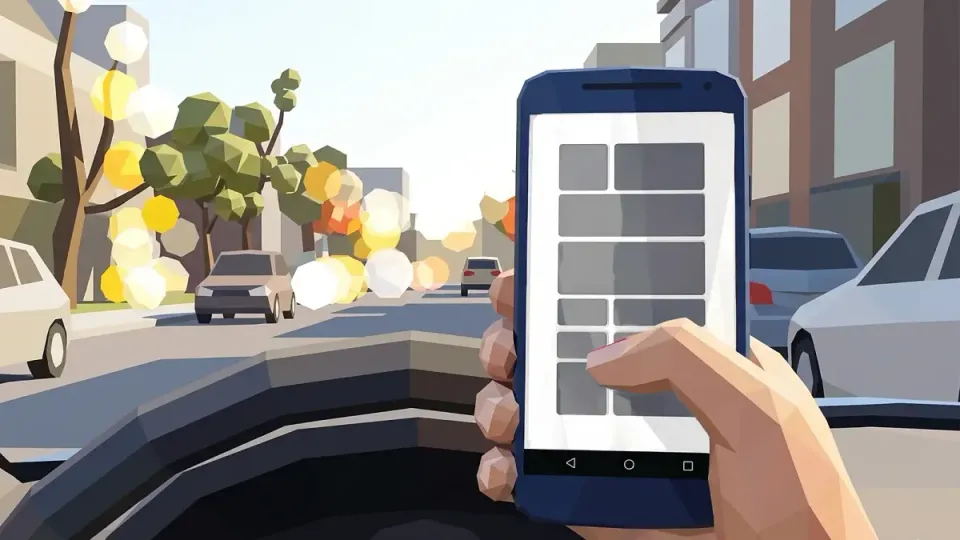
On a long drive, take a break of at least 15 minutes about every two hours. Stop earlier if you feel sleepy. Holding a phone while driving is forbidden. What is and is not allowed is explained on police checks, breath tests and phones.
How to calculate braking distance: the formula
Use this formula to work out the braking distance: braking distance = speed × speed ÷ (2 × deceleration). The speed is in metres per second. The deceleration is how much speed your car loses per second, in m/s². It depends on your brakes, your tyres and the road.
Example: you drive 100 km/h, which is 27.8 m/s. Say your car brakes at 8 m/s² on a dry road. Then your braking distance is 27.8 × 27.8 ÷ 16 = about 48 metres. The 8 m/s² is an assumption for this example. On a wet or slippery road the deceleration is lower and the braking distance longer.
Twice as fast: four times the braking distance
The speed appears twice in the formula: speed × speed. So if you drive twice as fast, your braking distance becomes about four times as long. Your reaction distance doubles.
An example with chosen numbers: a reaction distance of 10 metres and a braking distance of 8 metres give a stopping distance of 18 metres. At twice the speed this becomes about 20 + 32 = 52 metres. In the exam, use the numbers given in the question.
Stopping distance: examples from 30 to 130 km/h
Add the reaction distance and the braking distance together. This table uses a reaction time of 1 second and a deceleration of 8 m/s² on a dry road. The numbers are rounded and only hold for those assumptions.
| Speed | Reaction distance | Braking distance | Stopping distance |
|---|---|---|---|
| 30 km/h | 8 m | 4 m | 12 m |
| 50 km/h | 14 m | 12 m | 26 m |
| 80 km/h | 22 m | 31 m | 53 m |
| 100 km/h | 28 m | 48 m | 76 m |
| 120 km/h | 33 m | 69 m | 102 m |
| 130 km/h | 36 m | 82 m | 118 m |
On a wet road, with poor tyres or a fully loaded car, your stopping distance is longer. Is your stopping distance bigger than the clear space in front of you? Then you are driving too fast or too close. How much distance to keep is explained on following distance.
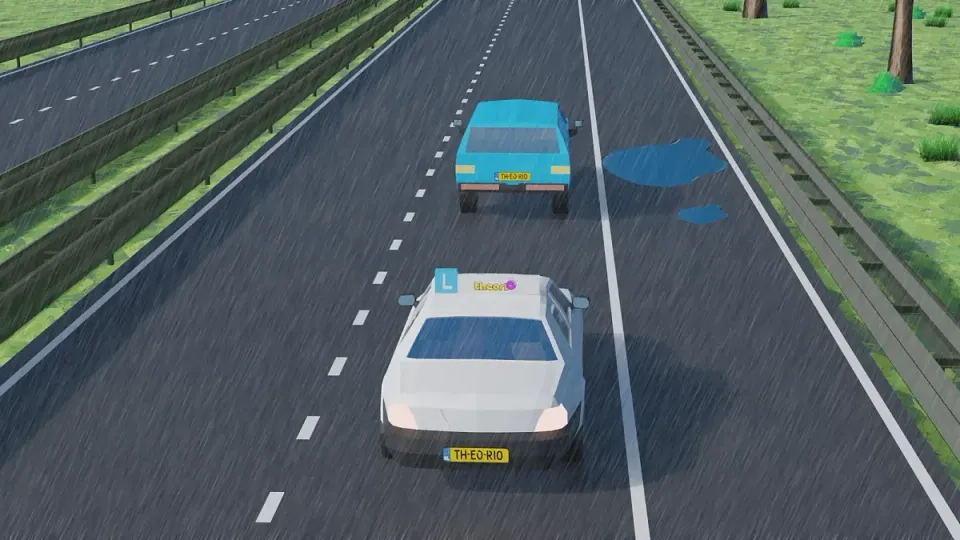
What does braking distance depend on?
On your speed, the grip of the road, your tyres, your brakes and how heavy your car is.
- Speed: twice as fast gives about four times the braking distance.
- Road surface: wet, icy, leaves, mud or loose stones give less grip.
- Tyres: little tread or the wrong pressure makes the braking distance longer.
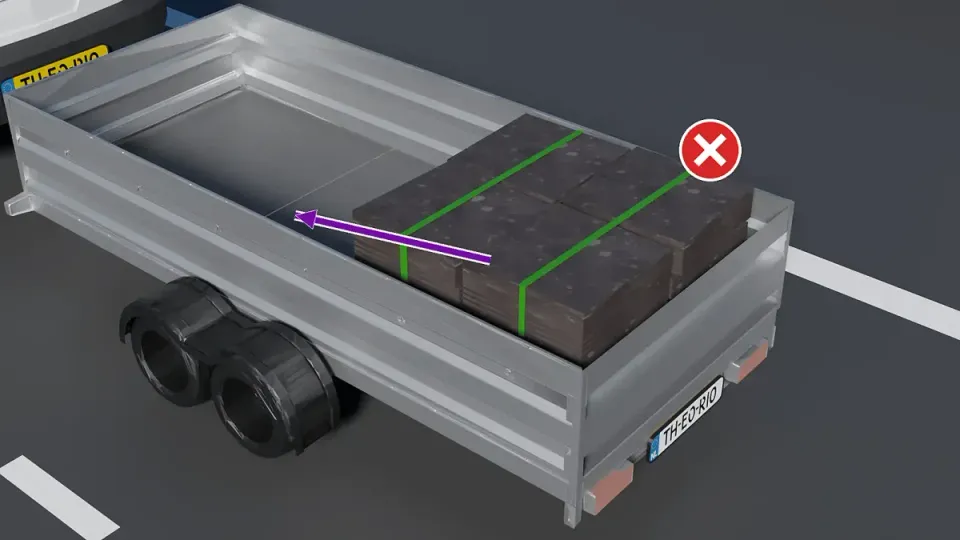
- Weight: a loaded car or a trailer needs more room. So does a lorry.
- Brakes and ABS: ABS stops your wheels locking, so you can keep steering. In an emergency stop, brake hard and keep pressing. ABS does not give extra grip. See ABS and ESP.
Where is your braking distance longer?
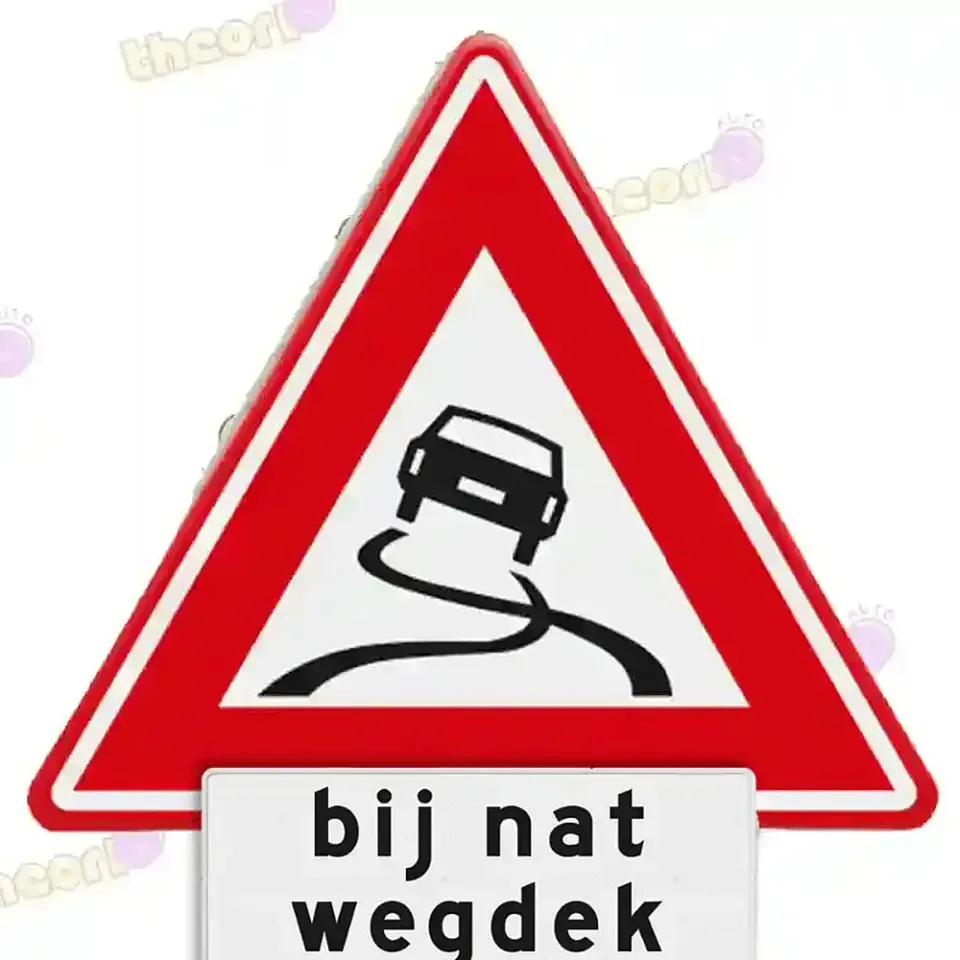
On a wet or slippery road and when you drive downhill. The first rain after a dry period is especially slippery: dirt and oil make the road greasy. Bridges and flyovers can freeze earlier. With little tread you can start sliding on water. Read more about aquaplaning and tyre tread.
Practise like the exam
Example questions like in the CBR exam
Real questions from the Theorio app. You can expect similar questions in your CBR exam.
Question 1 of 5
The average reaction time of a driver is?
Tap the answer you think is right.
Which of these factors influence the stopping distance?
Tap the answer you think is right.
Should you expect that the stopping distance of a truck is longer than that of a passenger car?
Tap the answer you think is right.
Can you reduce your stopping distance by anticipating well?
Tap the answer you think is right.
After a long dry period, it starts to rain. What is the effect of this on the stopping distance?
Tap the answer you think is right.
Answers and explanations for the example questions
Question 1: The average reaction time of a driver is?
Correct answer: 1 second
The CBR assumes an average reaction time of 1 second. This is the time you need to notice a danger and start acting. 🧠
Question 2: Which of these factors influence the stopping distance?
Correct answer: The braking distance and the driver's reaction time
Both the braking distance and the reaction time together determine the stopping distance. The formula is: Stopping distance = Reaction distance + Braking distance. If you react slowly or if it's slippery, it takes longer to come to a stop. 🛑
Question 3: Should you expect that the stopping distance of a truck is longer than that of a passenger car?
Correct answer: Yes
Yes, the stopping distance is longer. The greater the mass and the heavier the vehicle, the more time and distance it takes to come to a stop. 🚛
Question 4: Can you reduce your stopping distance by anticipating well?
Correct answer: Yes
Yes, by anticipating (looking ahead) you see danger coming earlier. You can then already release the gas or keep your foot above the brake, which reduces your reaction time and thus your stopping distance. 👀
Question 5: After a long dry period, it starts to rain. What is the effect of this on the stopping distance?
Correct answer: The stopping distance becomes larger
The stopping distance becomes larger. Oil, rubber residues, and dirt on the road mix with the first rainwater, creating a slippery soap film on the road. 🧼
FAQ
Frequently asked questions
Short answers to questions that often come up on this subject.
What makes your braking distance longer?
Reduced grip may lengthen braking distance: water, snow, ice, mud, leaves, loose stones or slippery paving and new asphalt are examples. Higher speed increases it strongly; with the same grip and braking conditions, it grows approximately with speed squared. Brakes, tyres, pressure and load matter. Weight alone determines neither a fixed braking distance nor a guaranteed car-versus-lorry difference.
How do you make your stopping distance shorter?
Stopping distance equals reaction distance plus braking distance. A lower appropriate speed reduces both; attention and being rested help limit reaction time. Anticipate and leave enough space. Good tyres, correct pressure and functioning brakes help use available grip but give no fixed guaranteed stopping distance. A one-second reaction time or teaching formula is a calculation assumption, not a measurement of every driver.
Ready to practise?
Test your knowledge of Driving on the motorway with 80 practice questions in the app.
Free mock exam · no account needed
Your first quiz is free, no account needed. After that from €34.99 for 90 days of access.