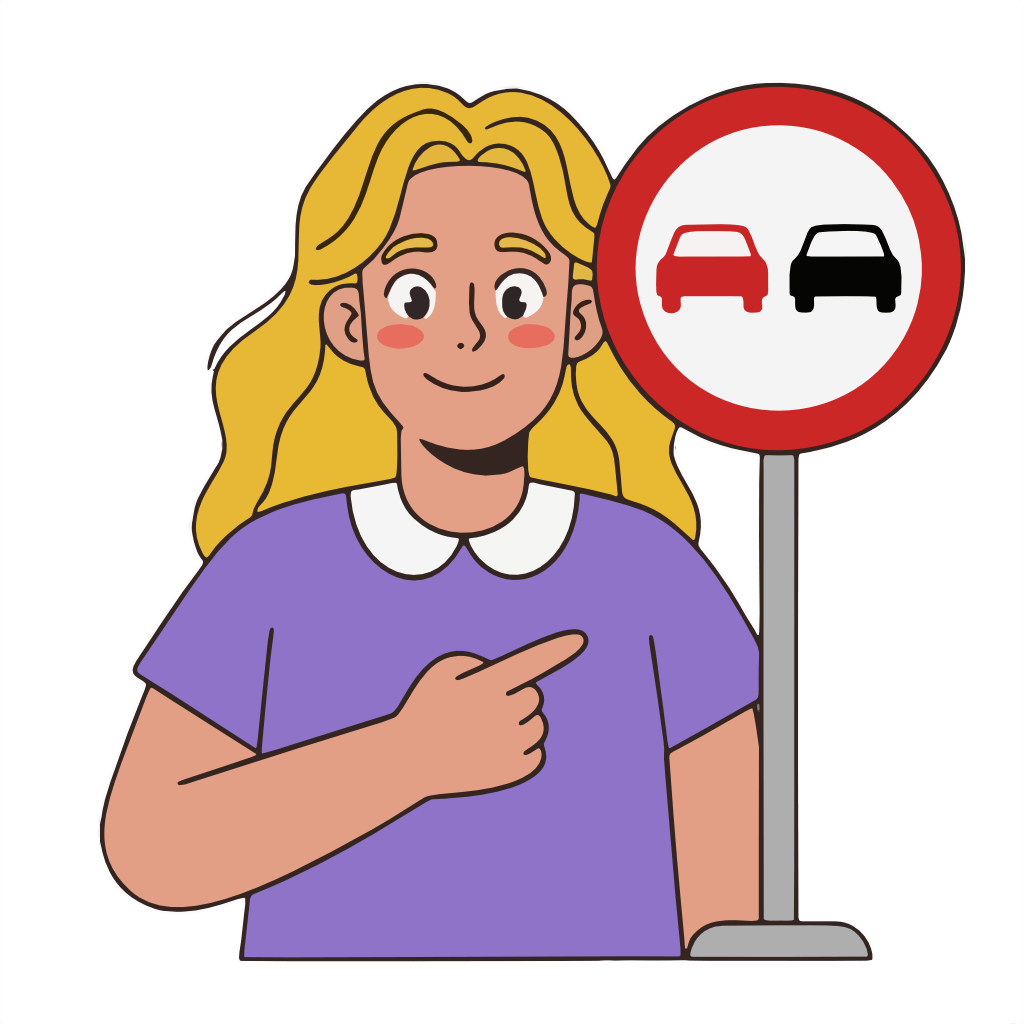

Overtaking & Position on the Road at a glance
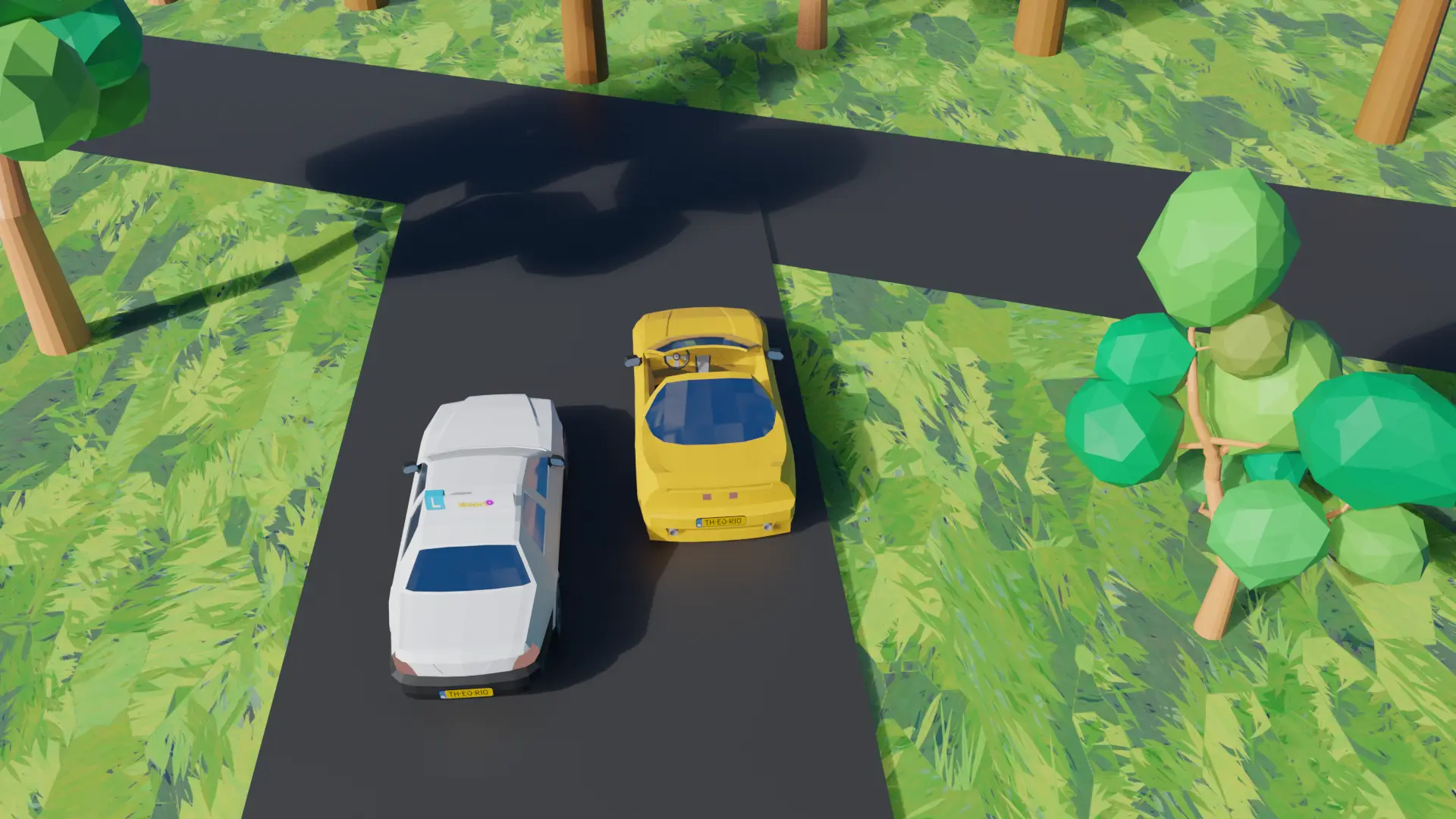
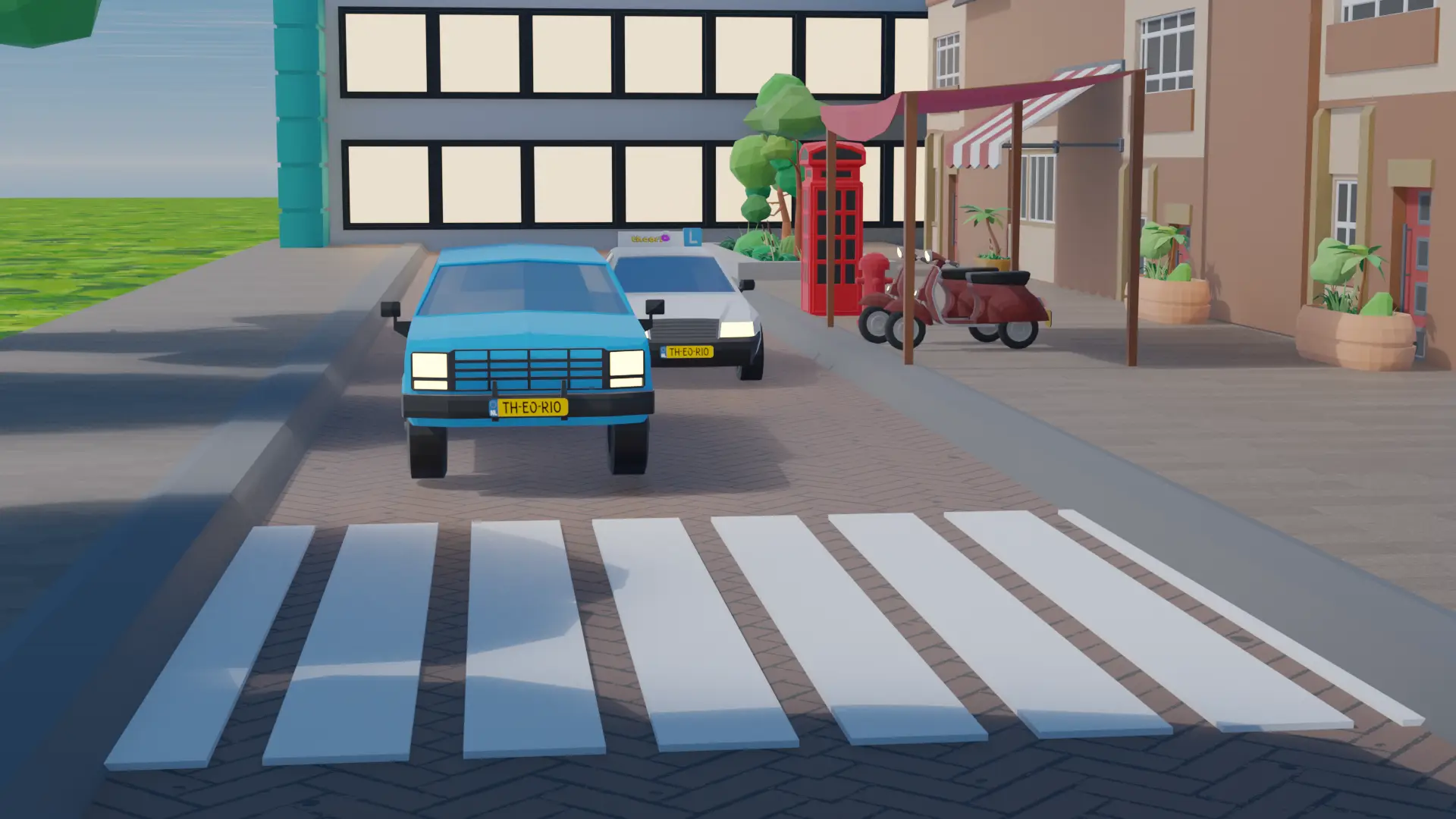
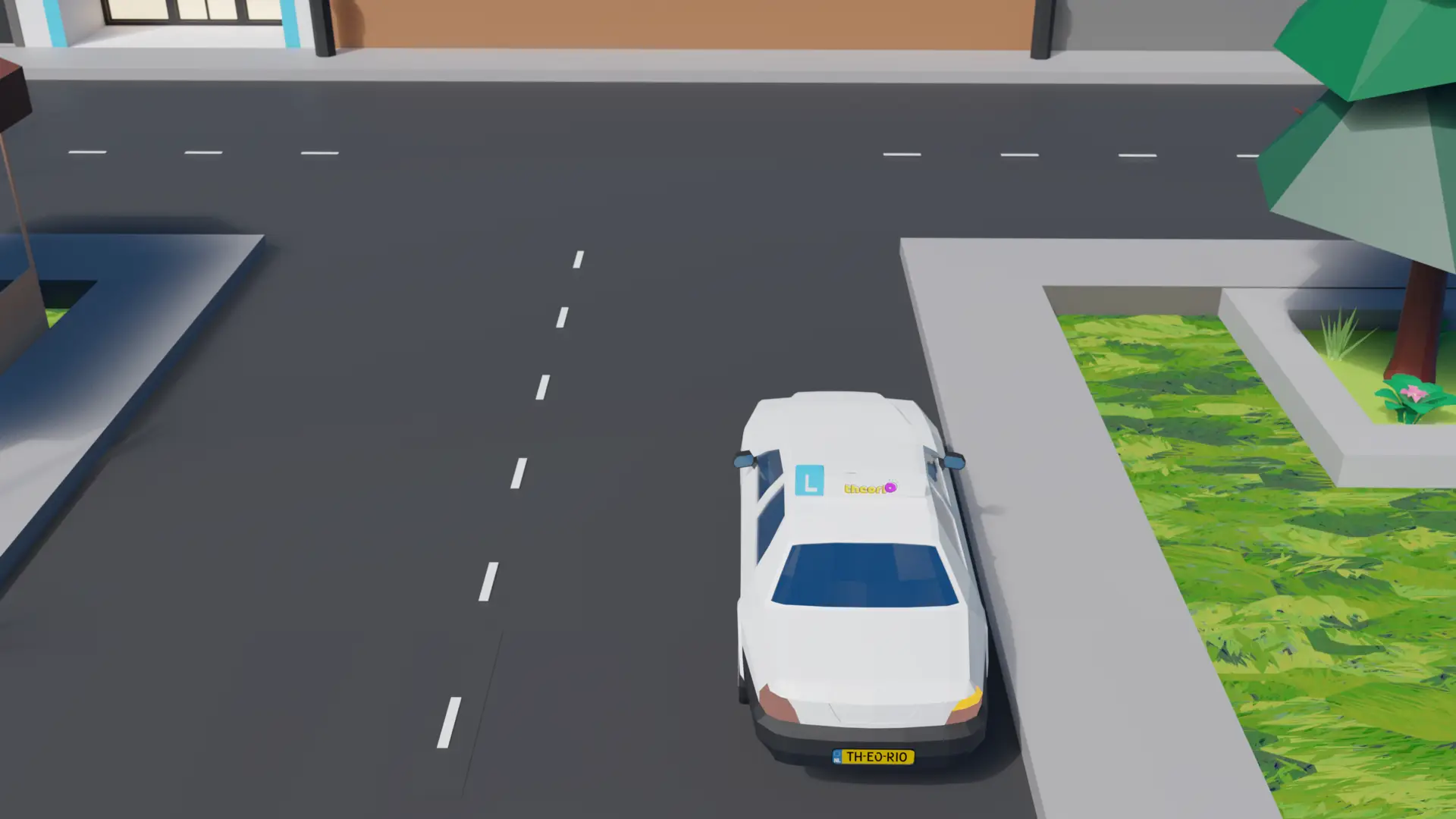
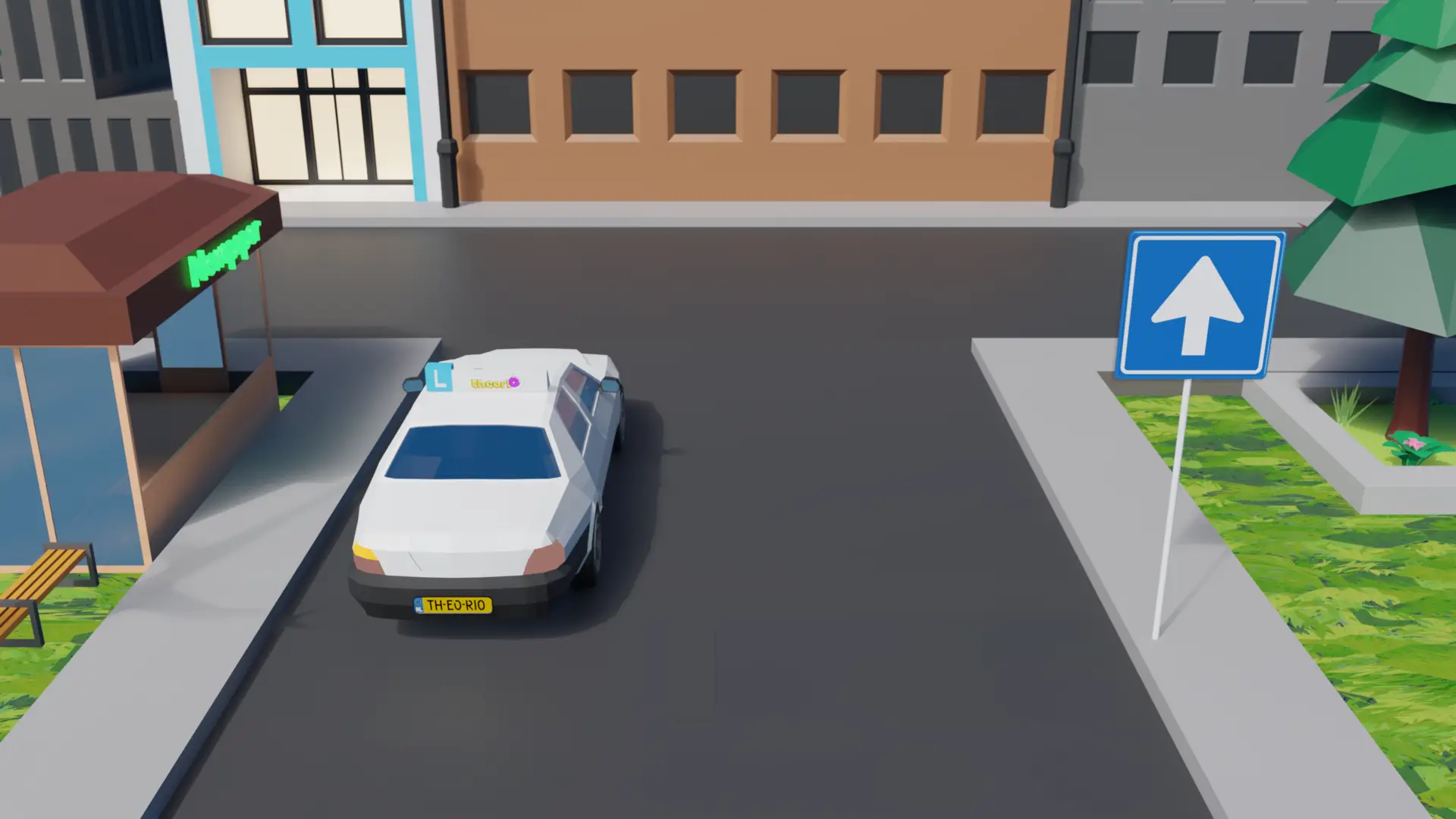
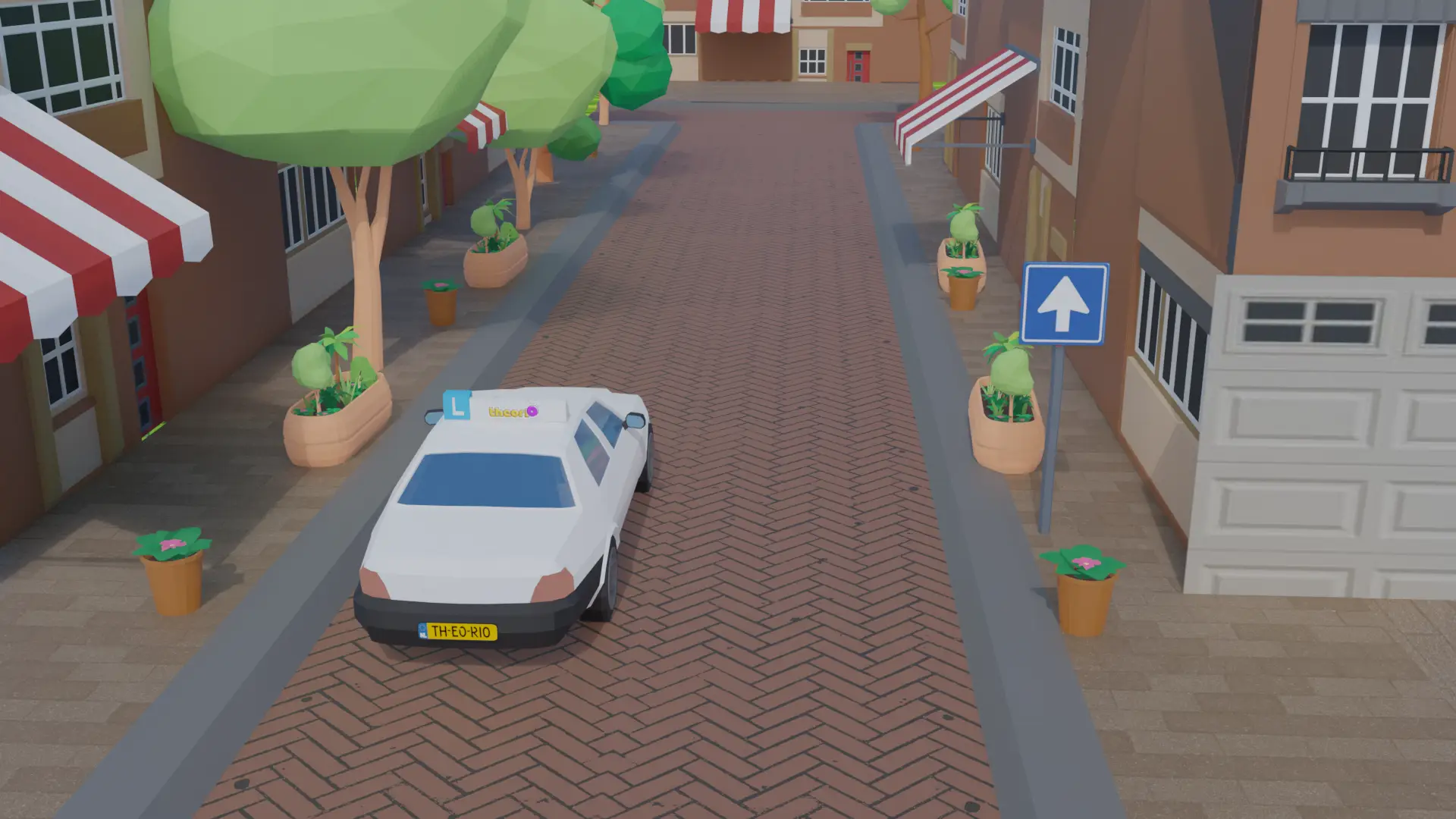
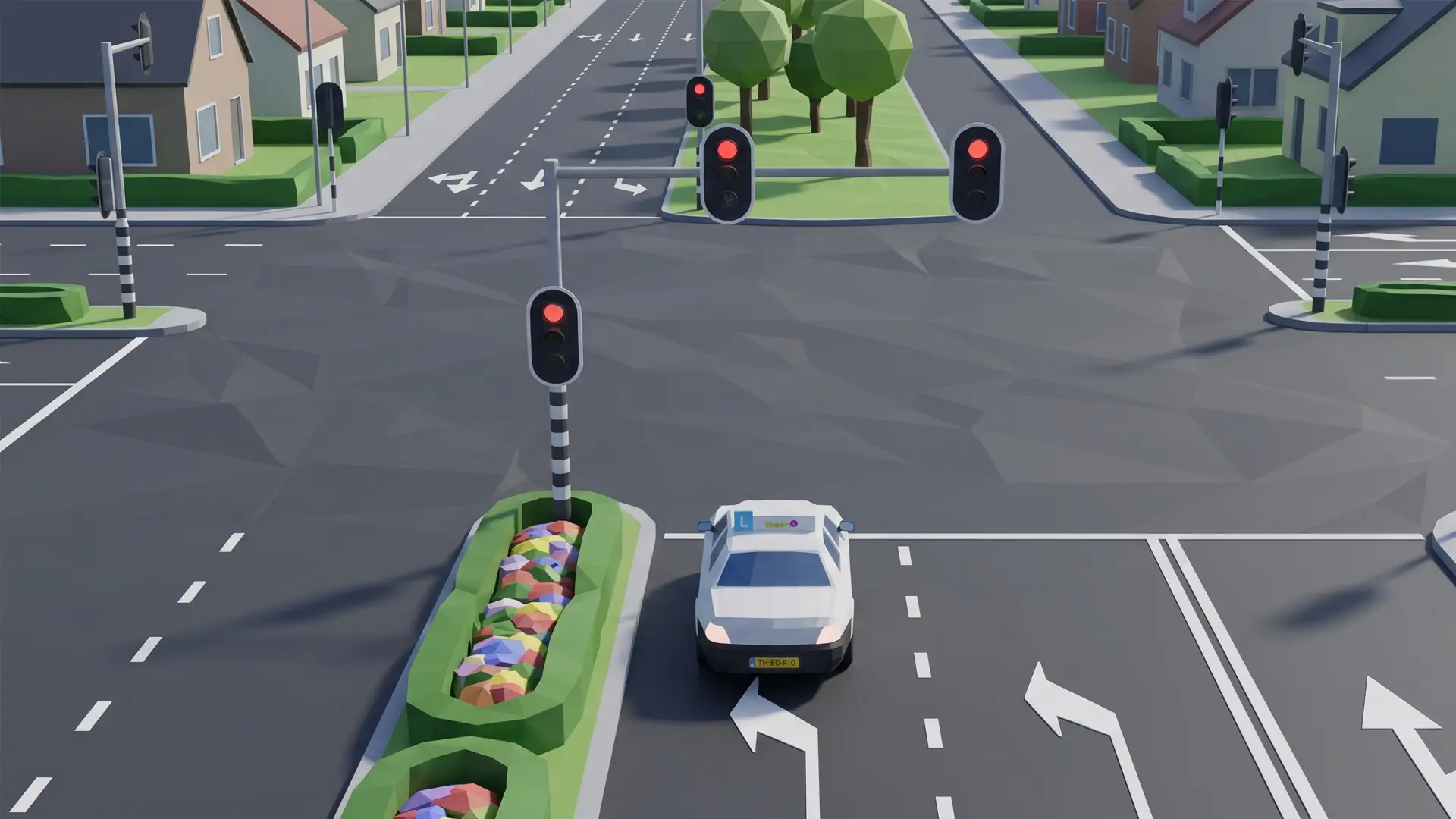
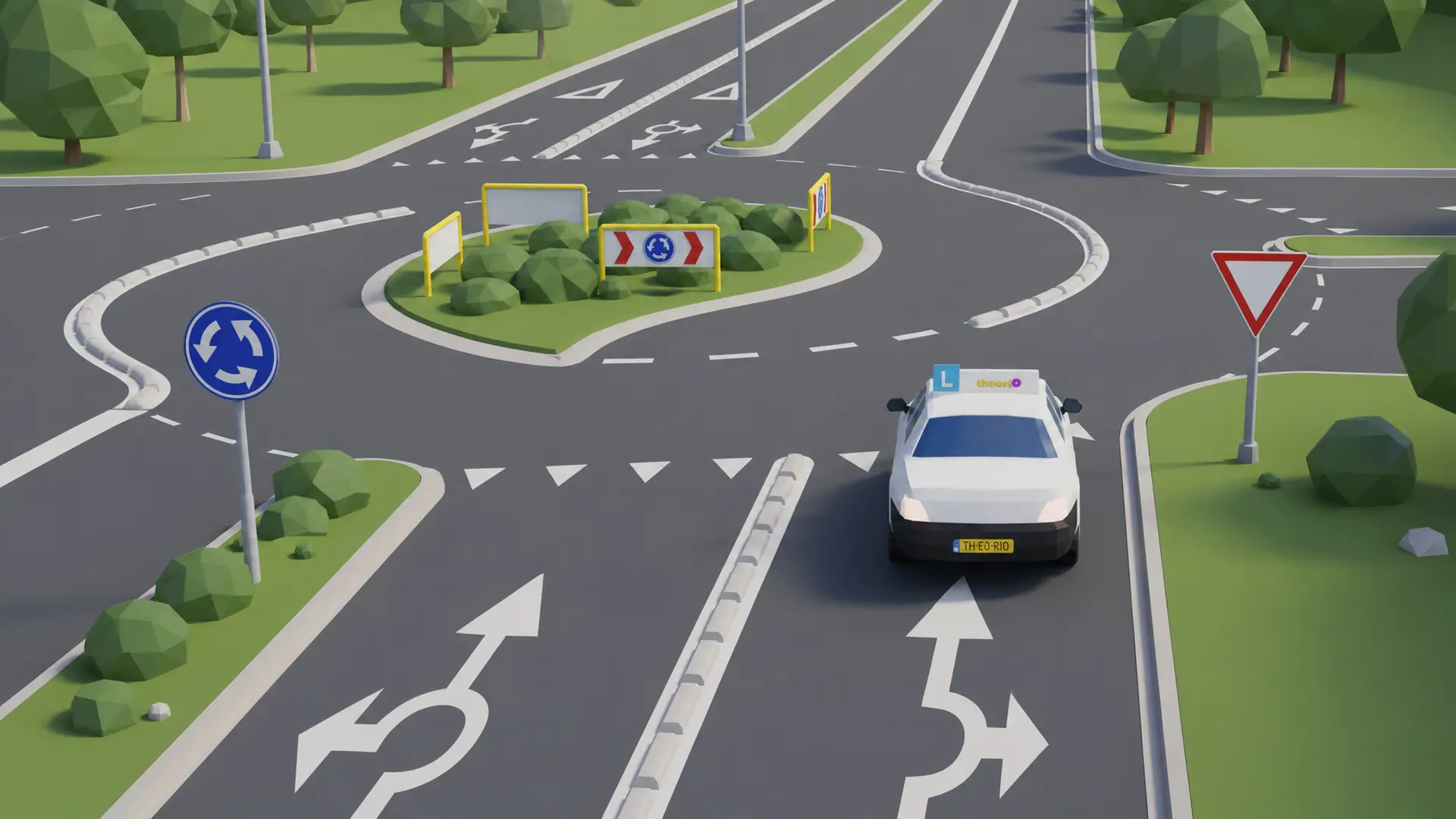
Lane positioning in advance means that you adjust your position on the road to the direction you want to go in. This prevents confusion and accidents. Go as close as possible to the side where you want to go—for example, to the right if you are turning right, and to the left if you are turning left. Never position in advance on a zebra crossing, because then you hinder pedestrians.
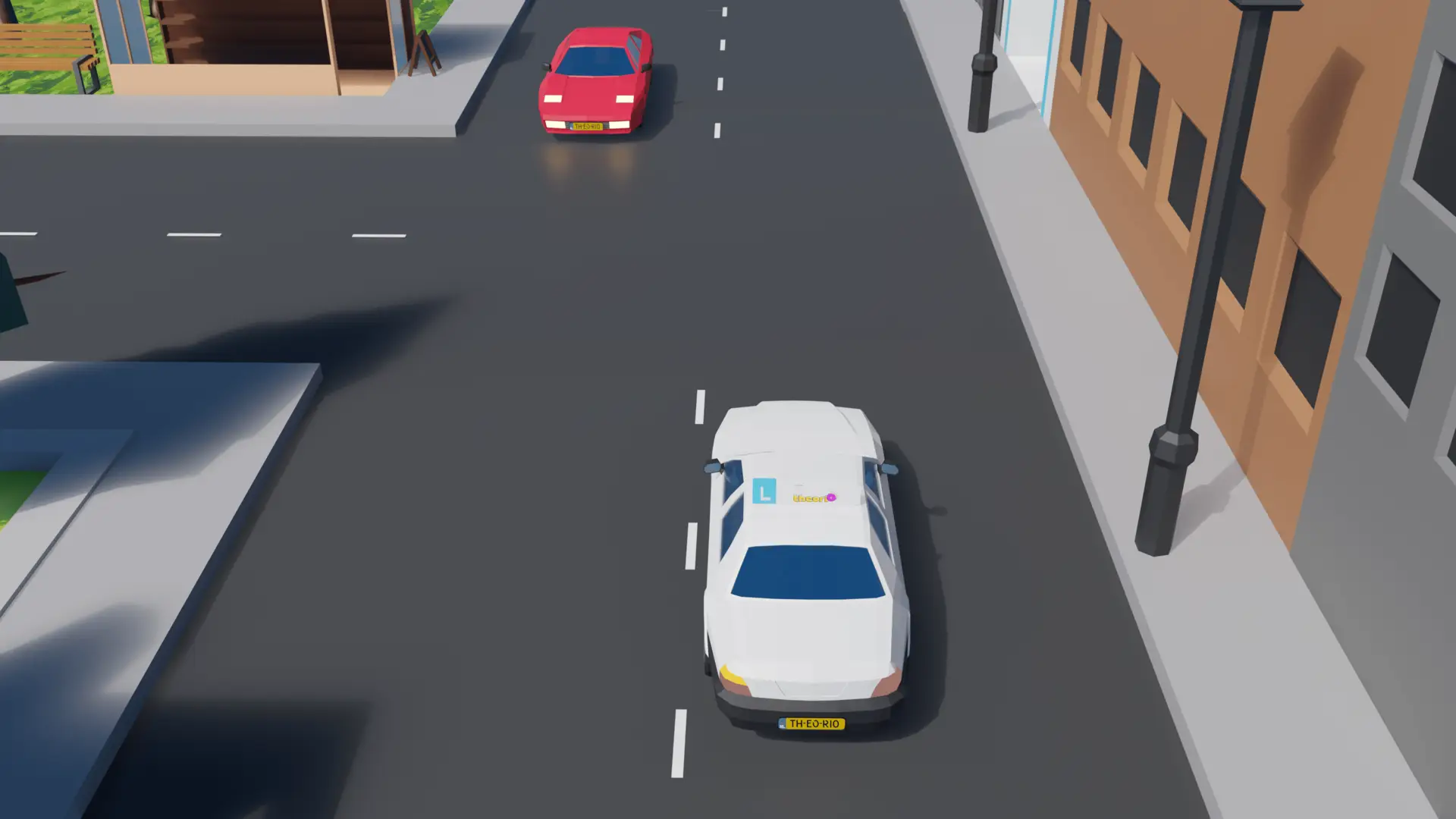
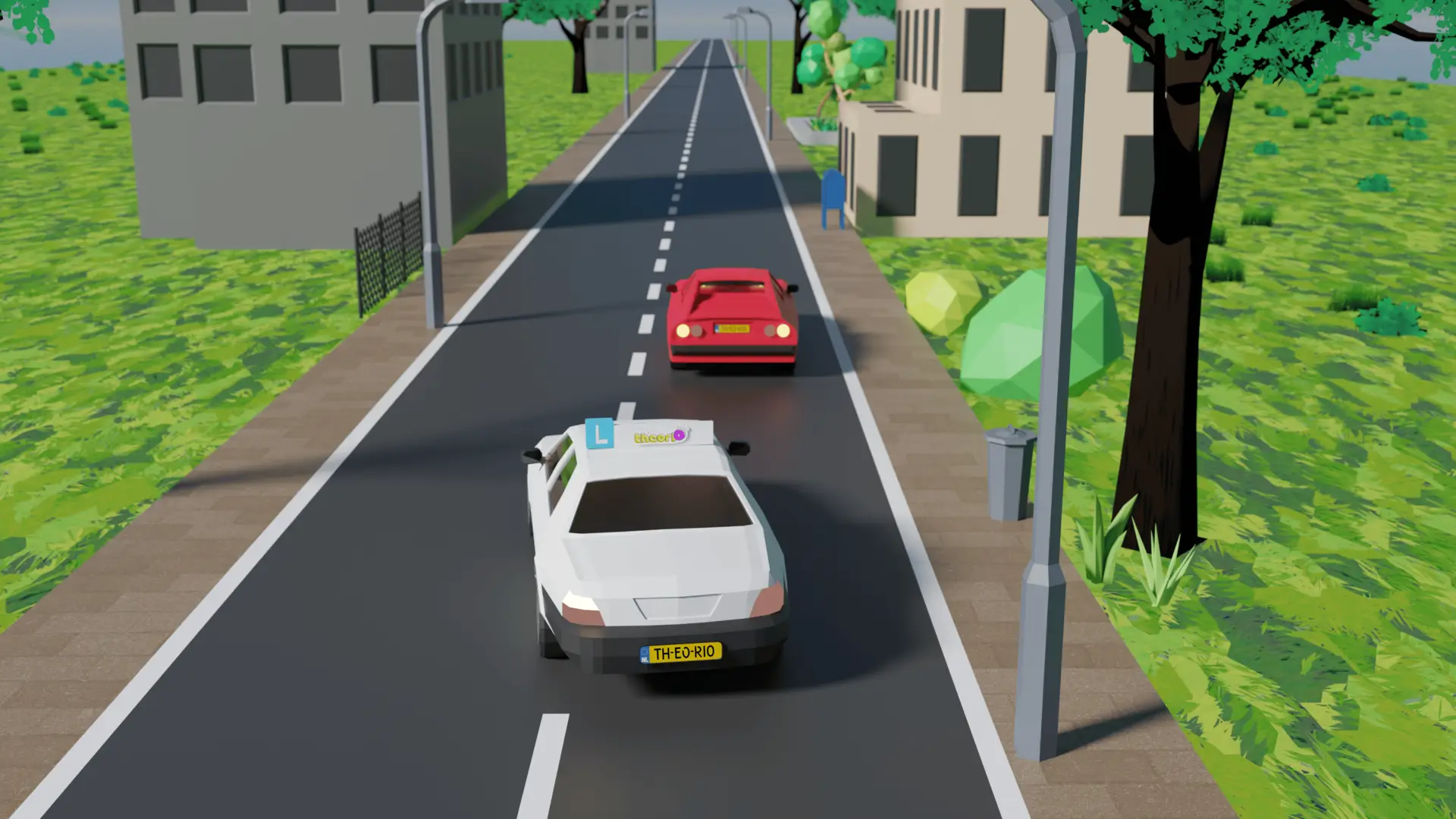
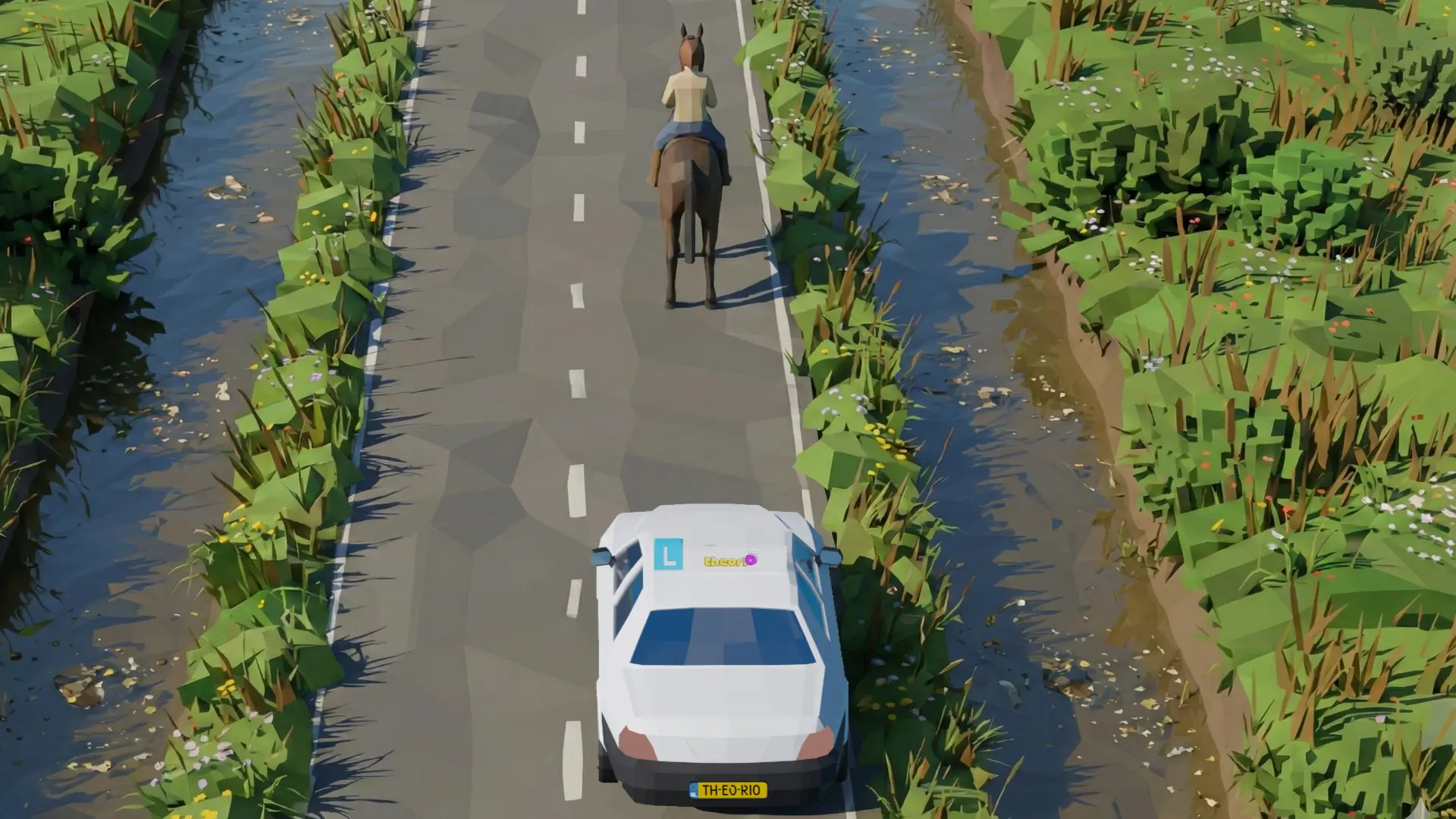
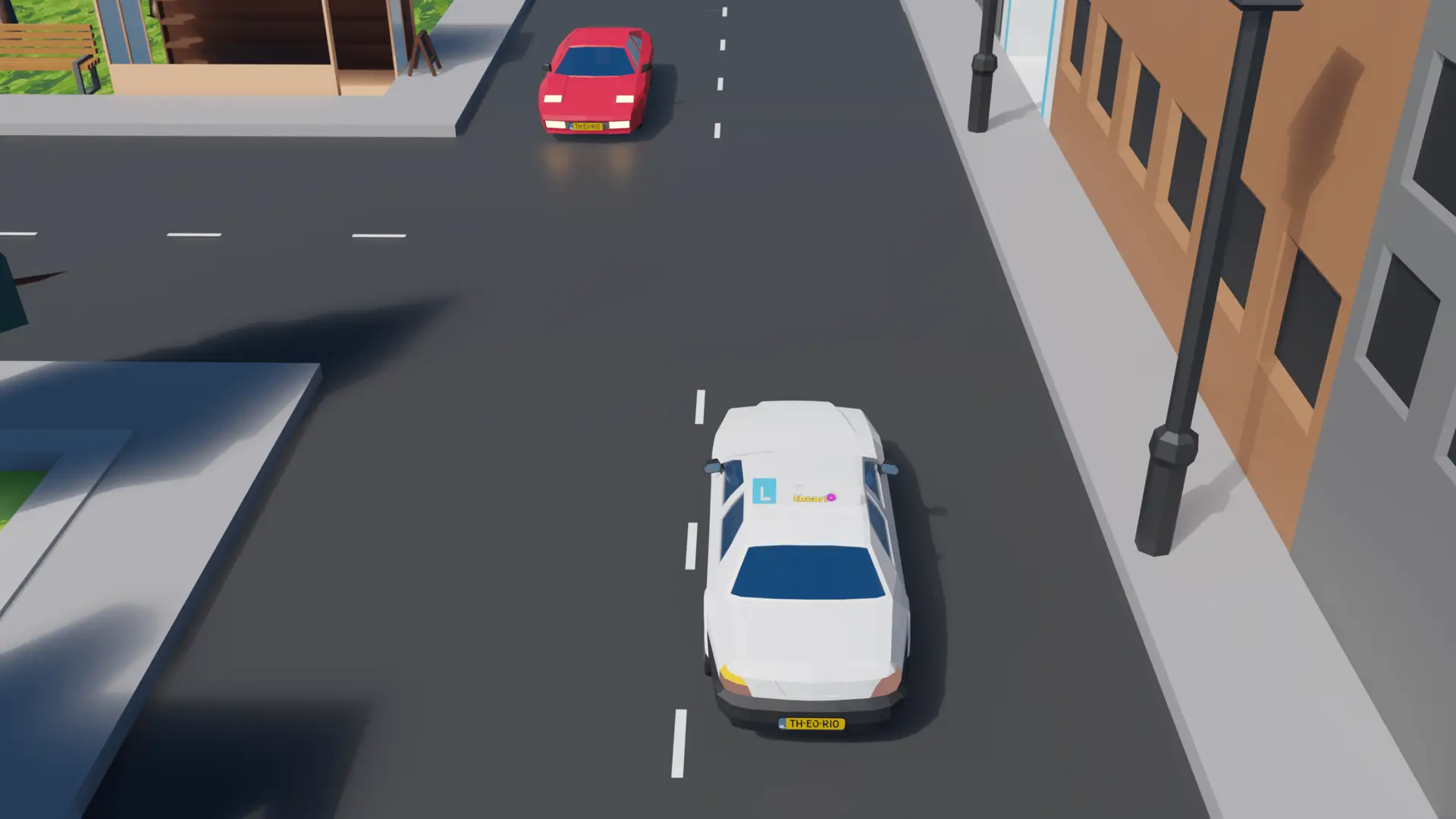
We position in advance here “against the road’s centre line”, so that traffic behind us can possibly overtake.
Positioning in advance at cycle lanes
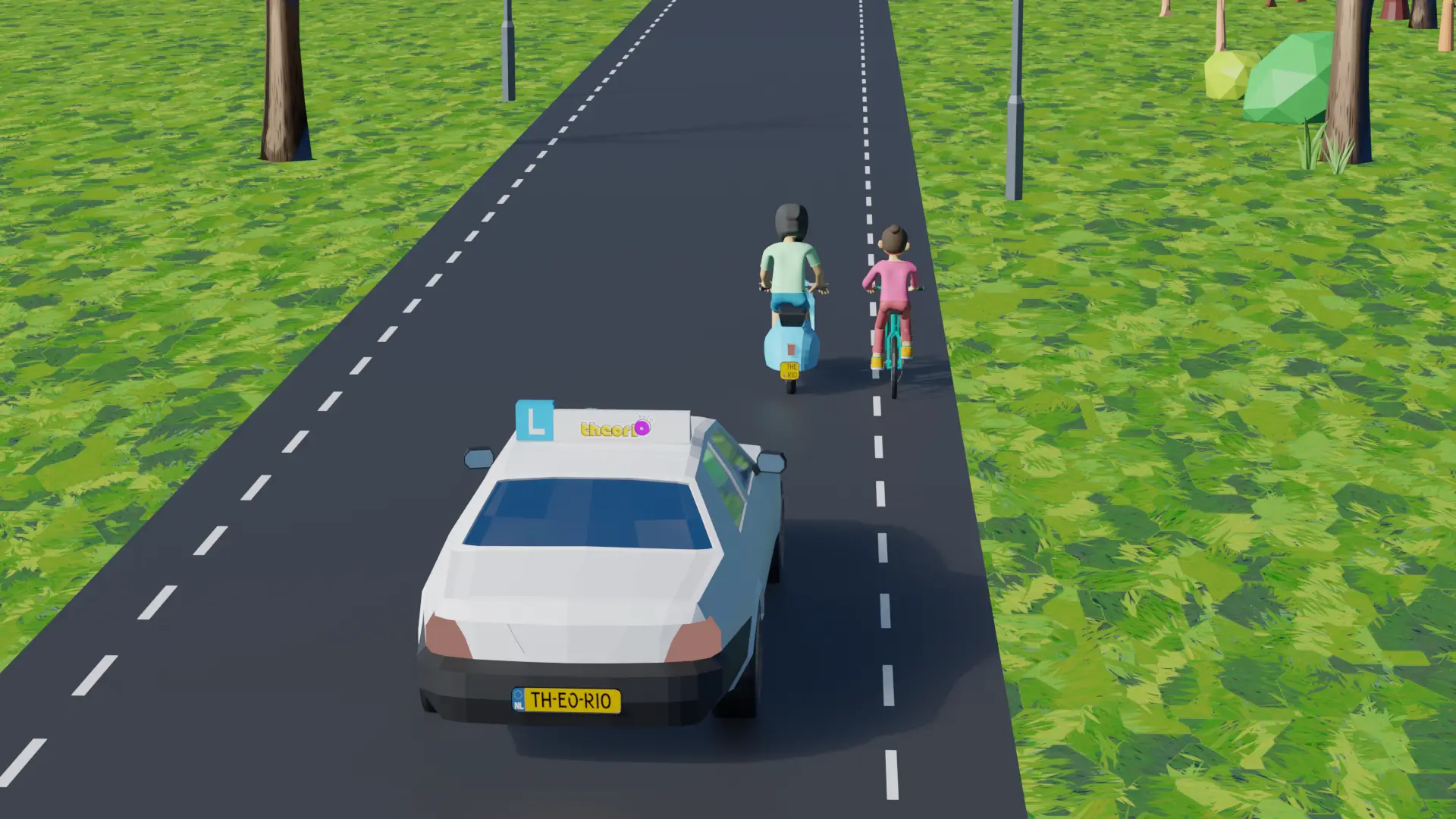
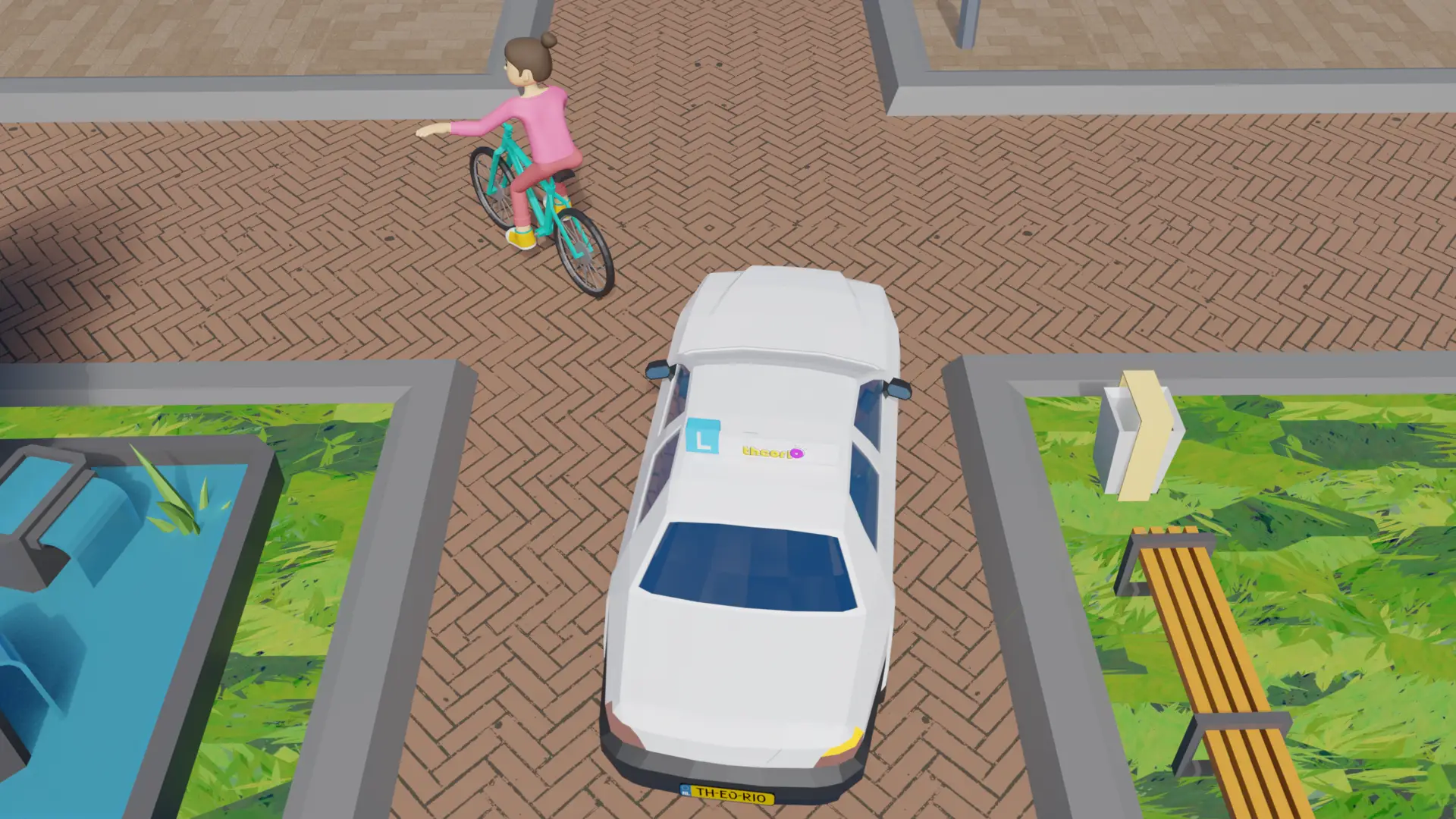
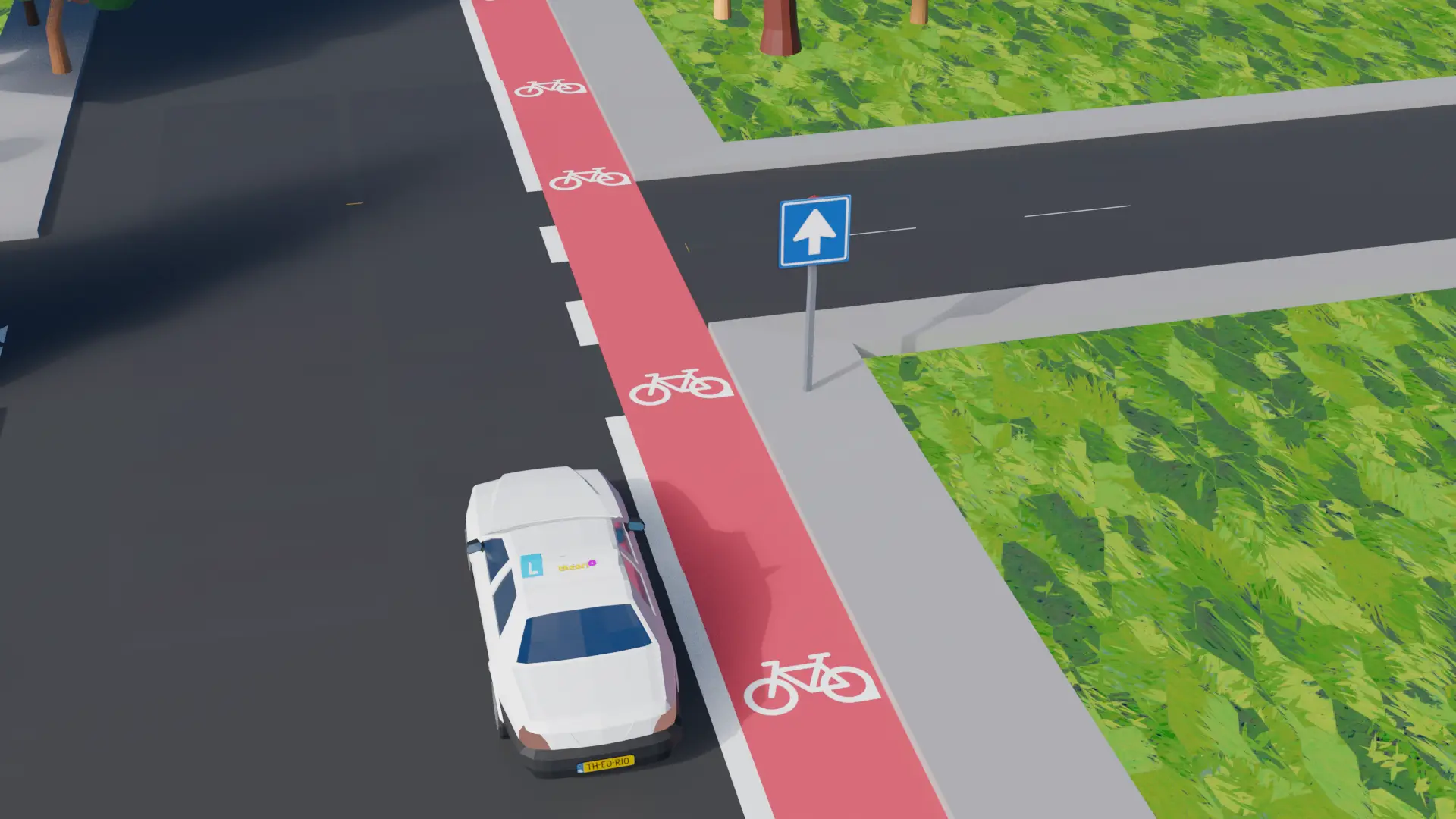
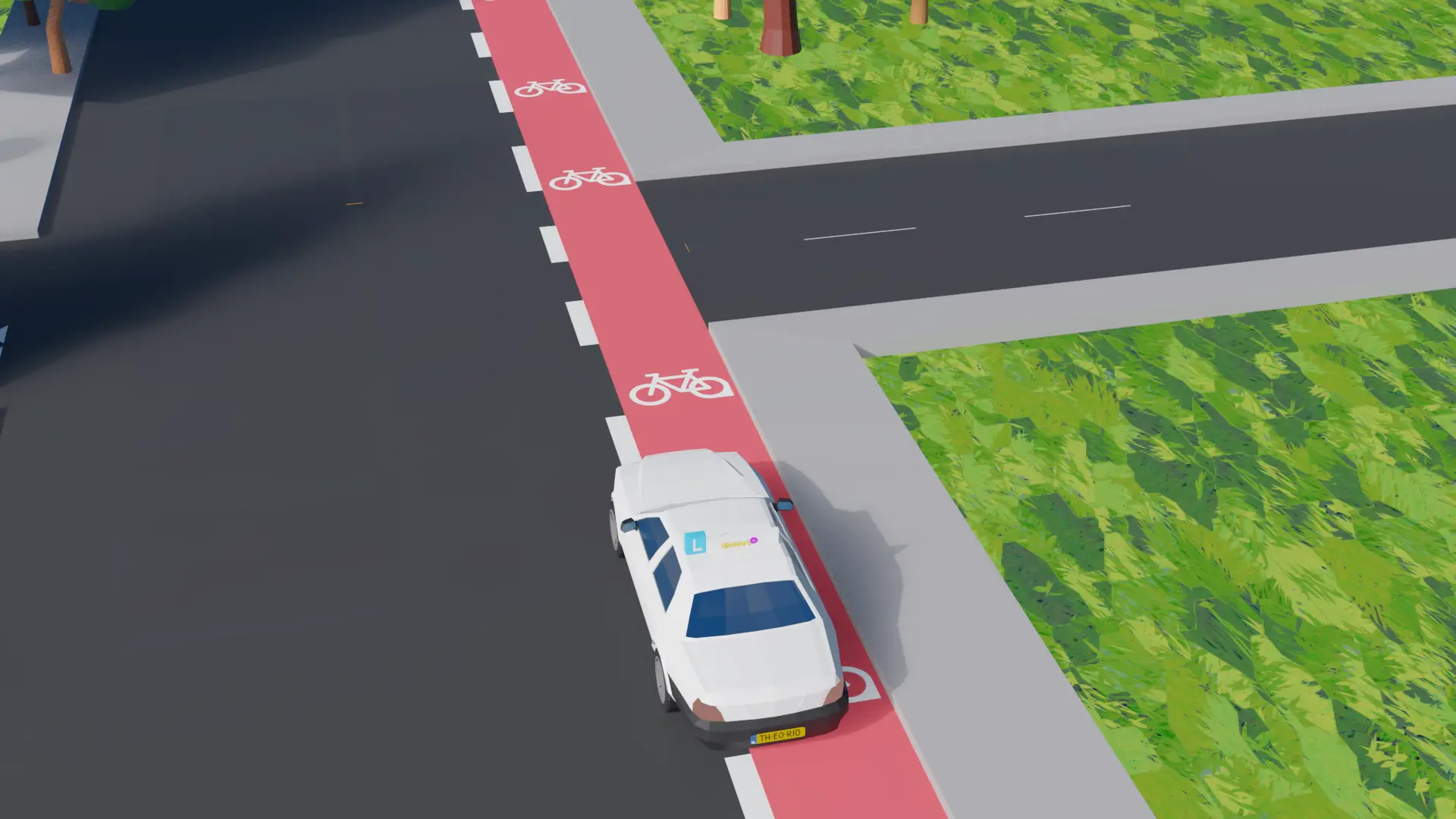
Cycle lanes are often red or pink and separated by a line. With a continuous line, you may not drive over it, so stay just next to the line. With a broken line, you may drive over it to position in advance, but pay close attention to cyclists and snorfiets riders.
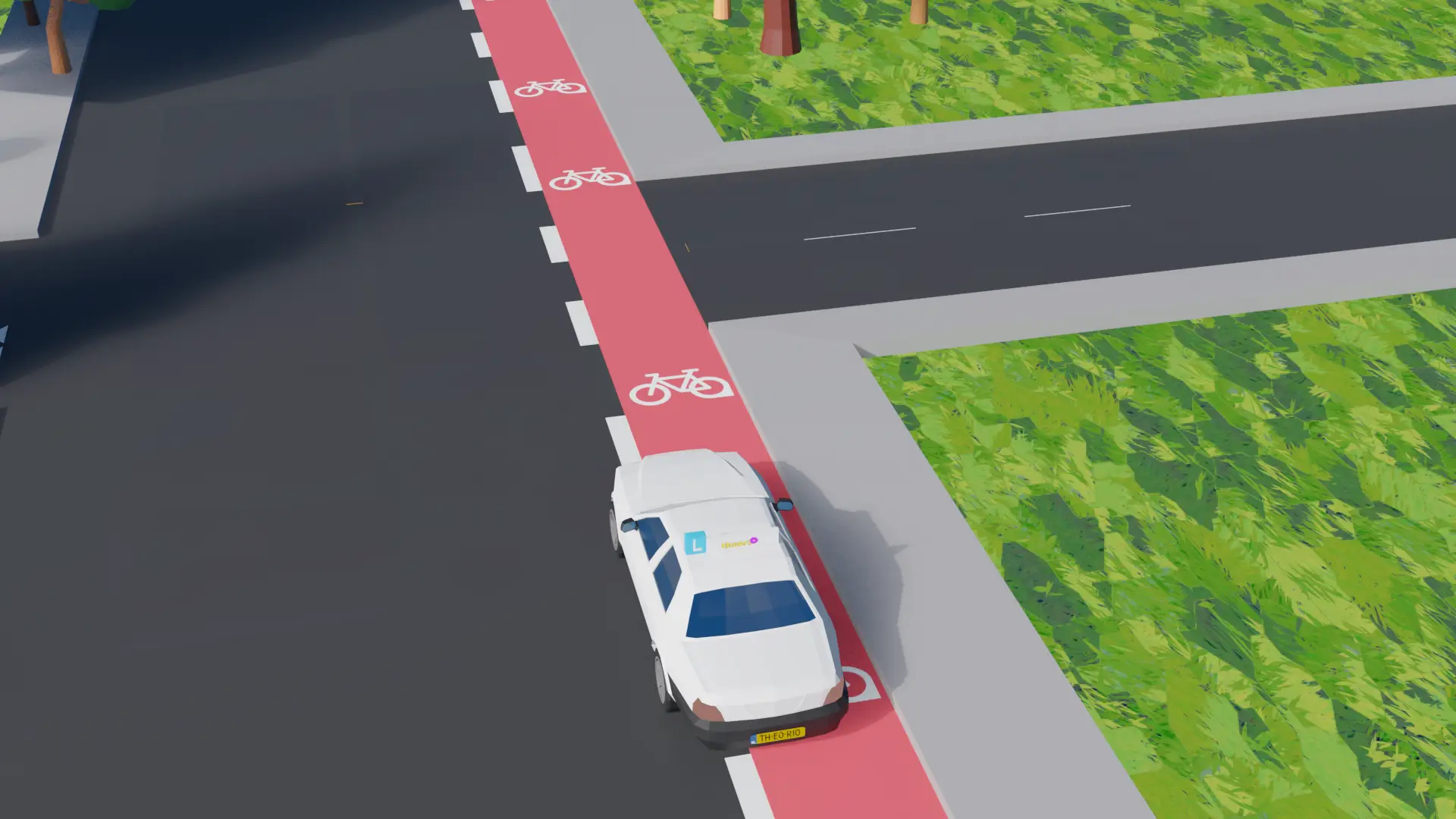
You may position in advance on a cycle path to turn right, for example, but only if the cycle path is indicated with broken lines and you do not hinder other cyclists. Even if there are broken lines, you may not cut off cyclists.
Taking account of large vehicles
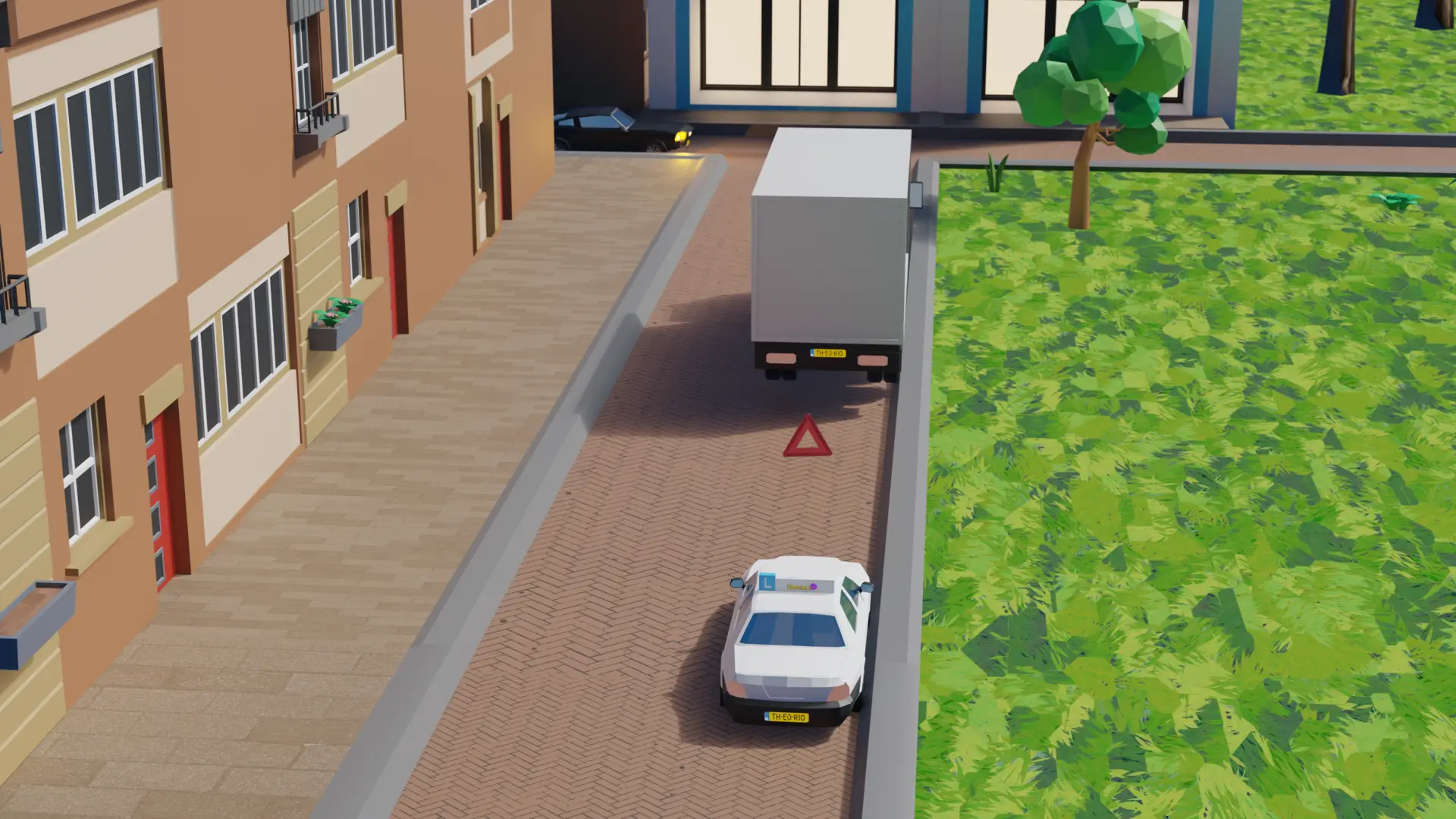
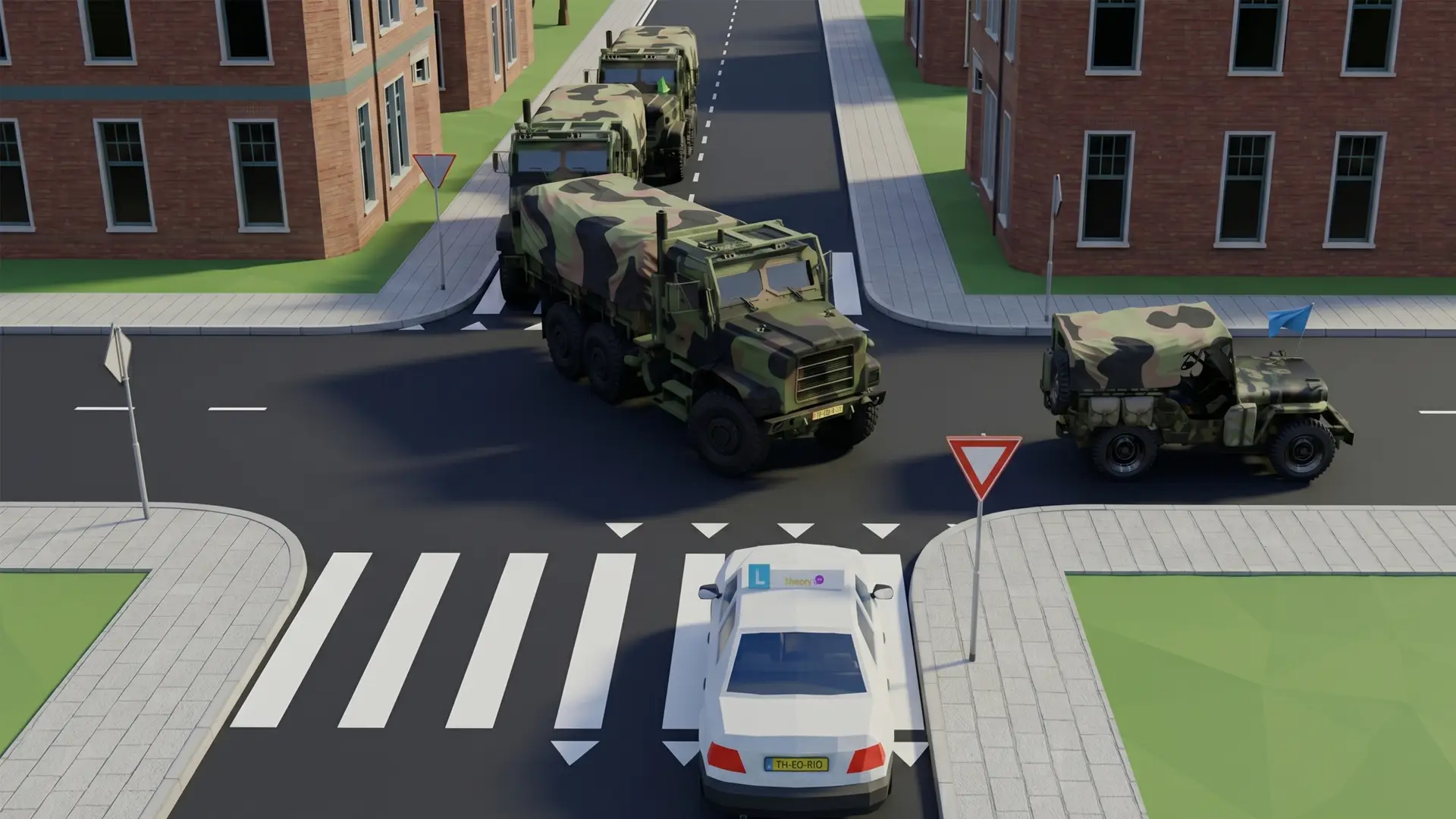
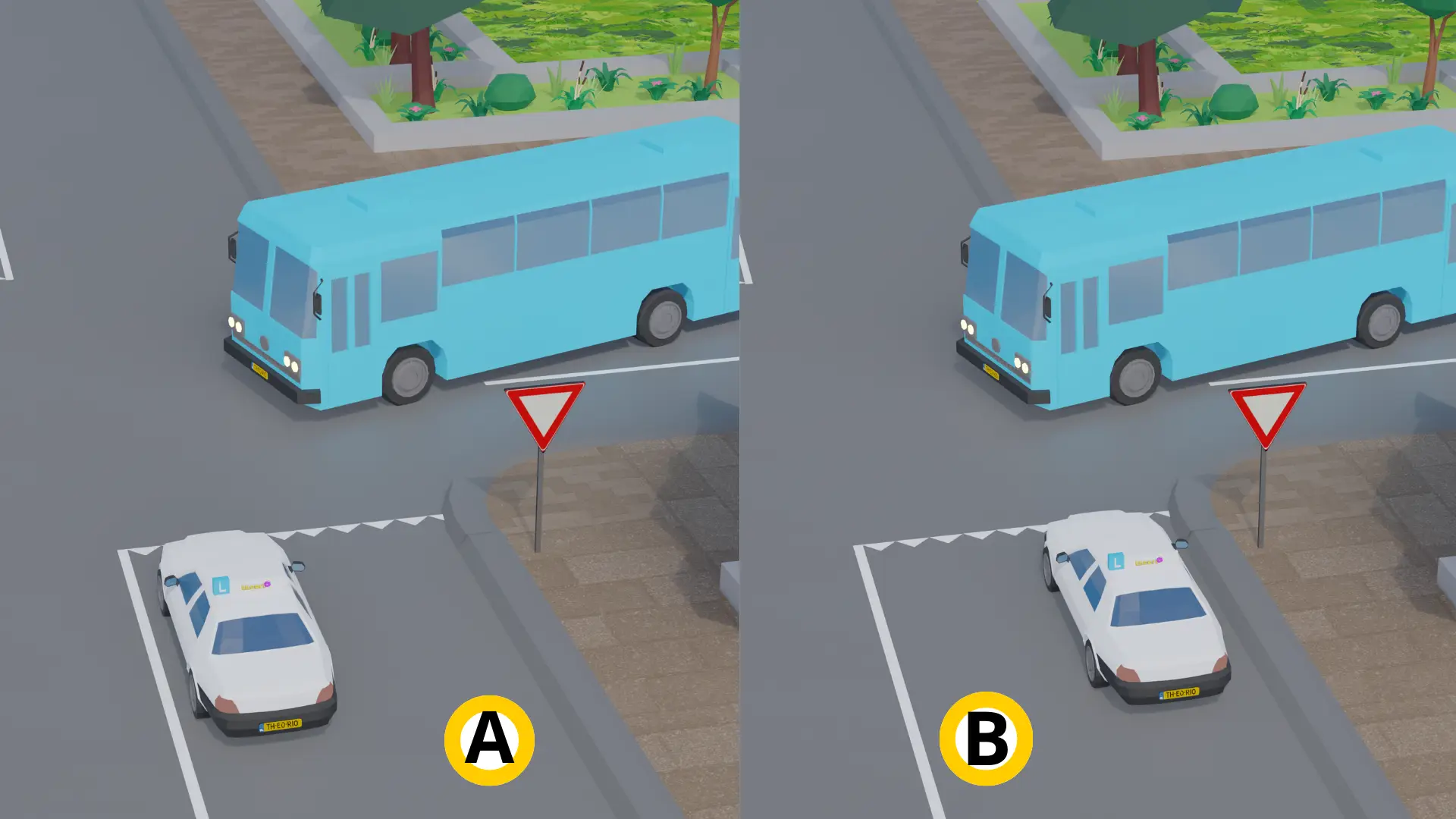
Lorries and buses need more space to turn. Sometimes you therefore have to position in advance differently than usual—for example, not all the way to the left when turning left, but a bit more to the right to give them room.
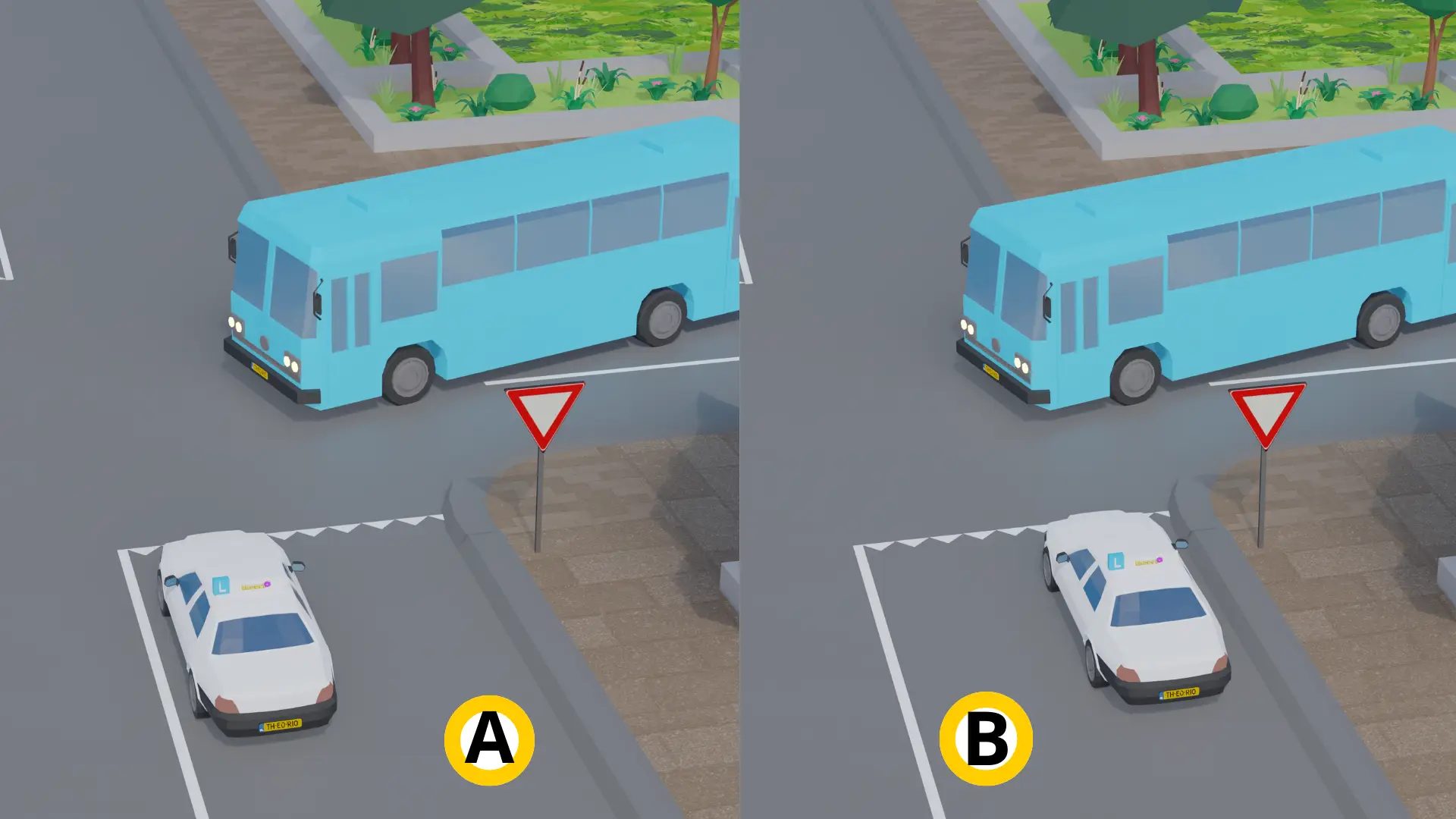
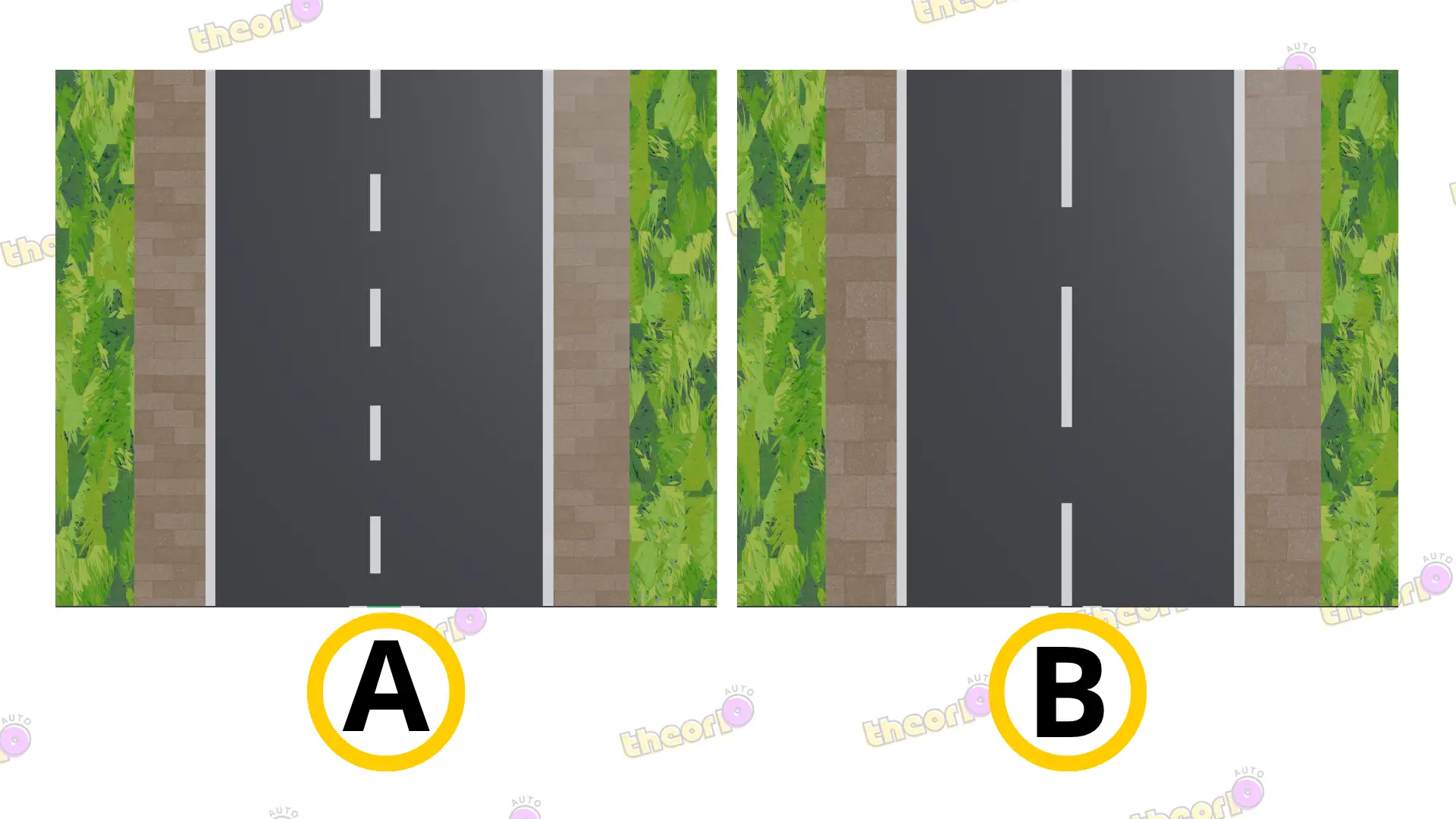
A bus needs a lot of space to take a turn. That is why it is sensible to position in advance as in situation B (against the kerb): there you can stand better. This gives the bus the space it needs and prevents it getting stuck when entering or leaving the turn.
Multiple lanes and motorways
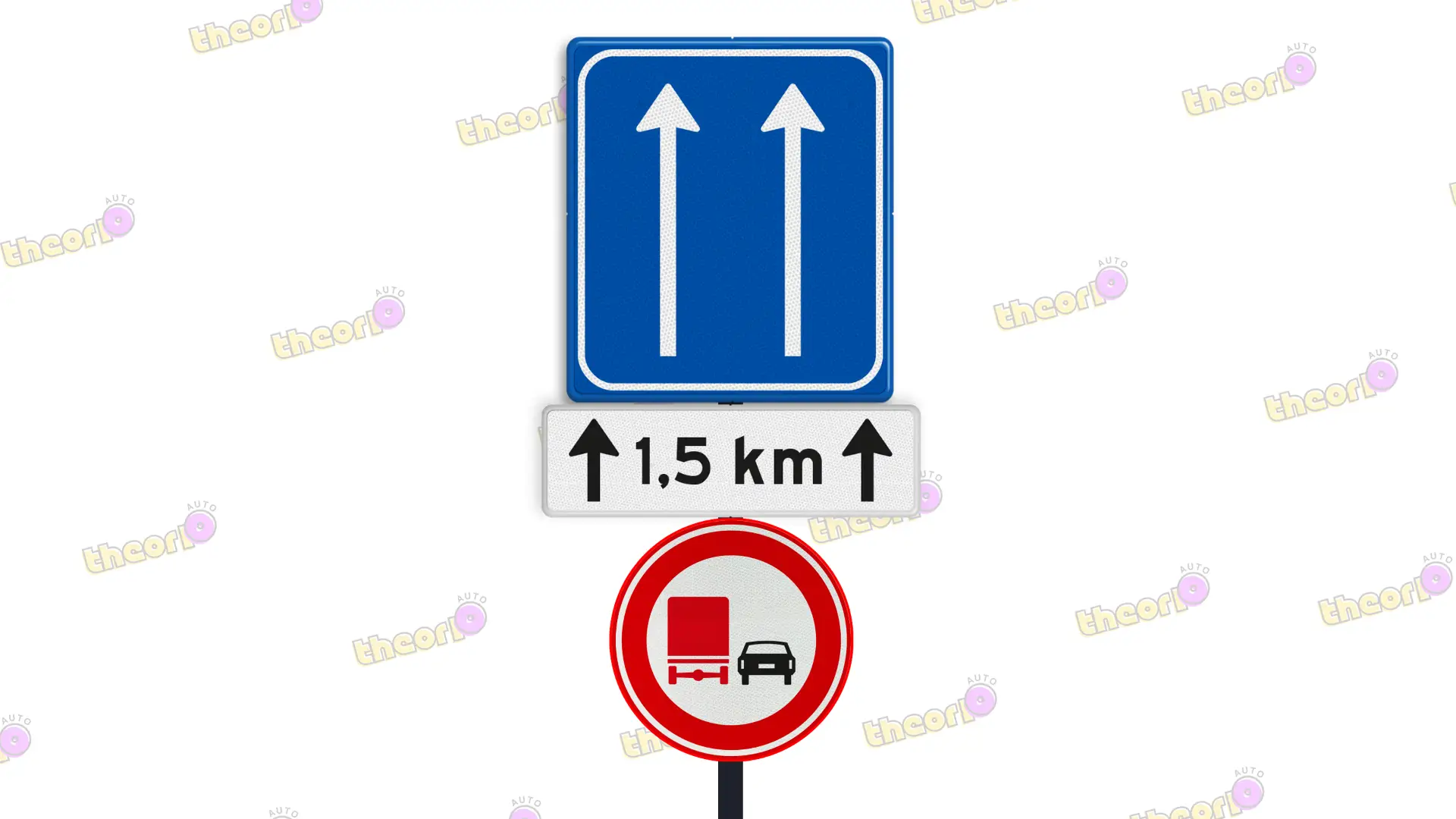
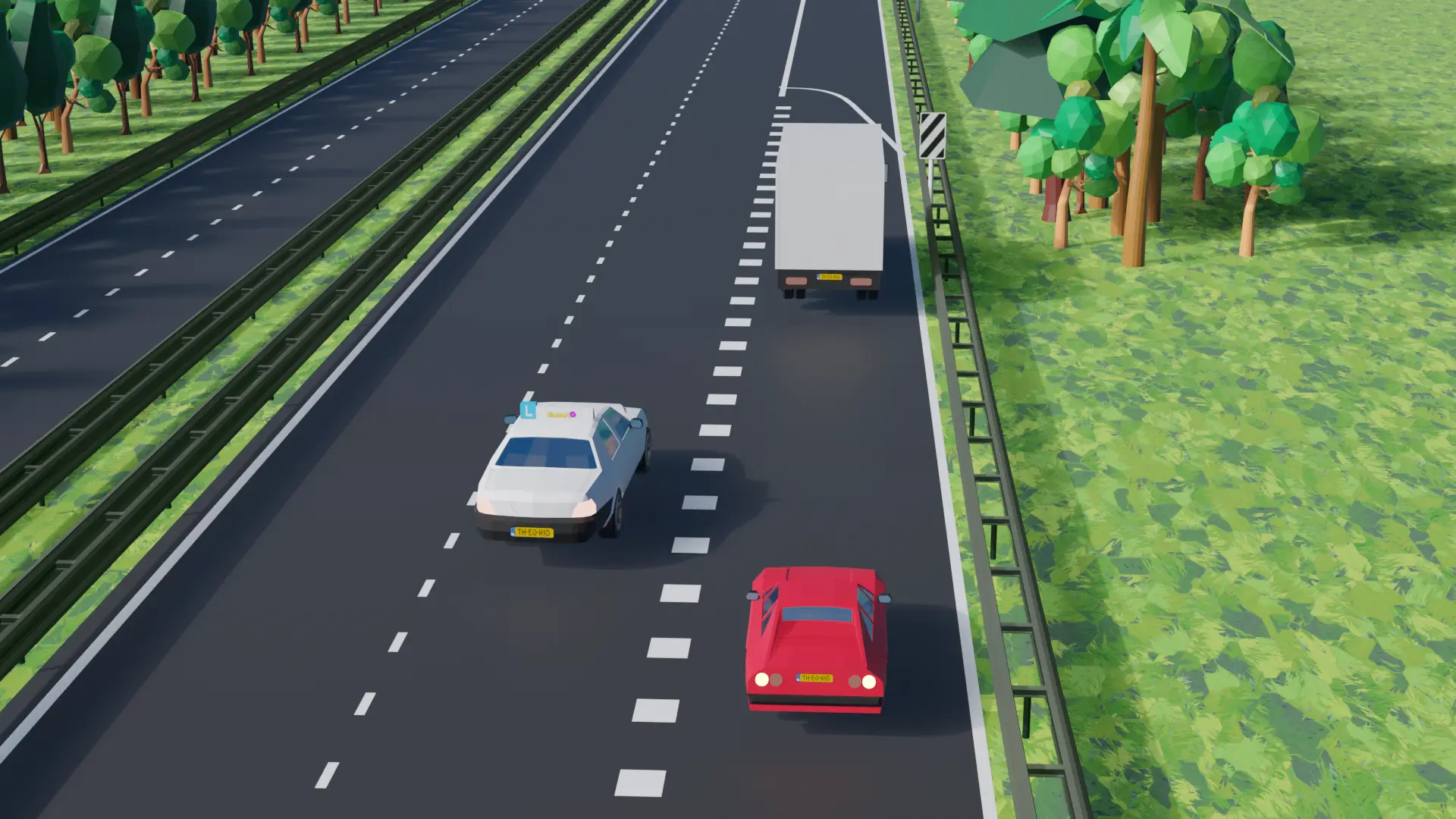
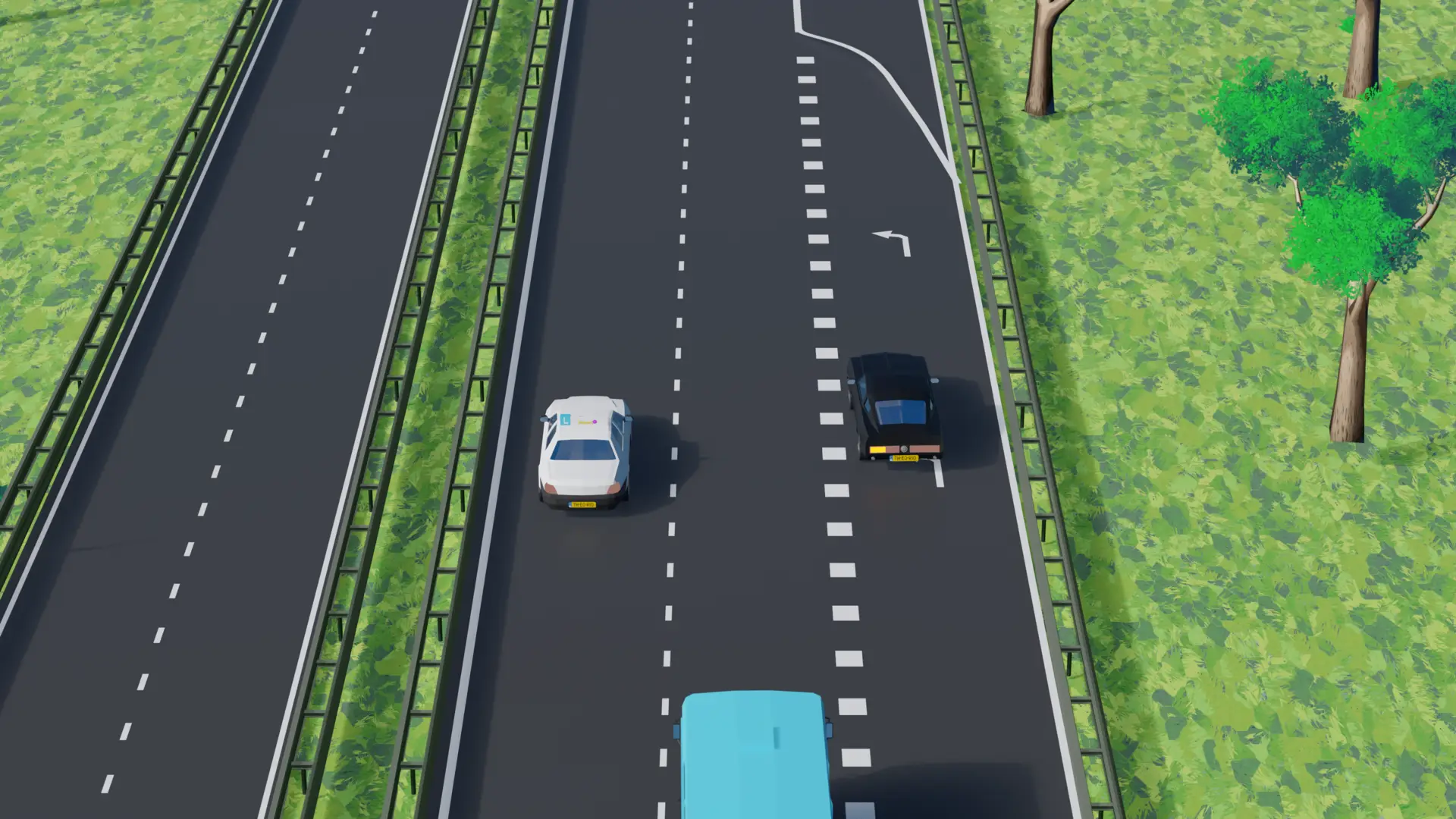
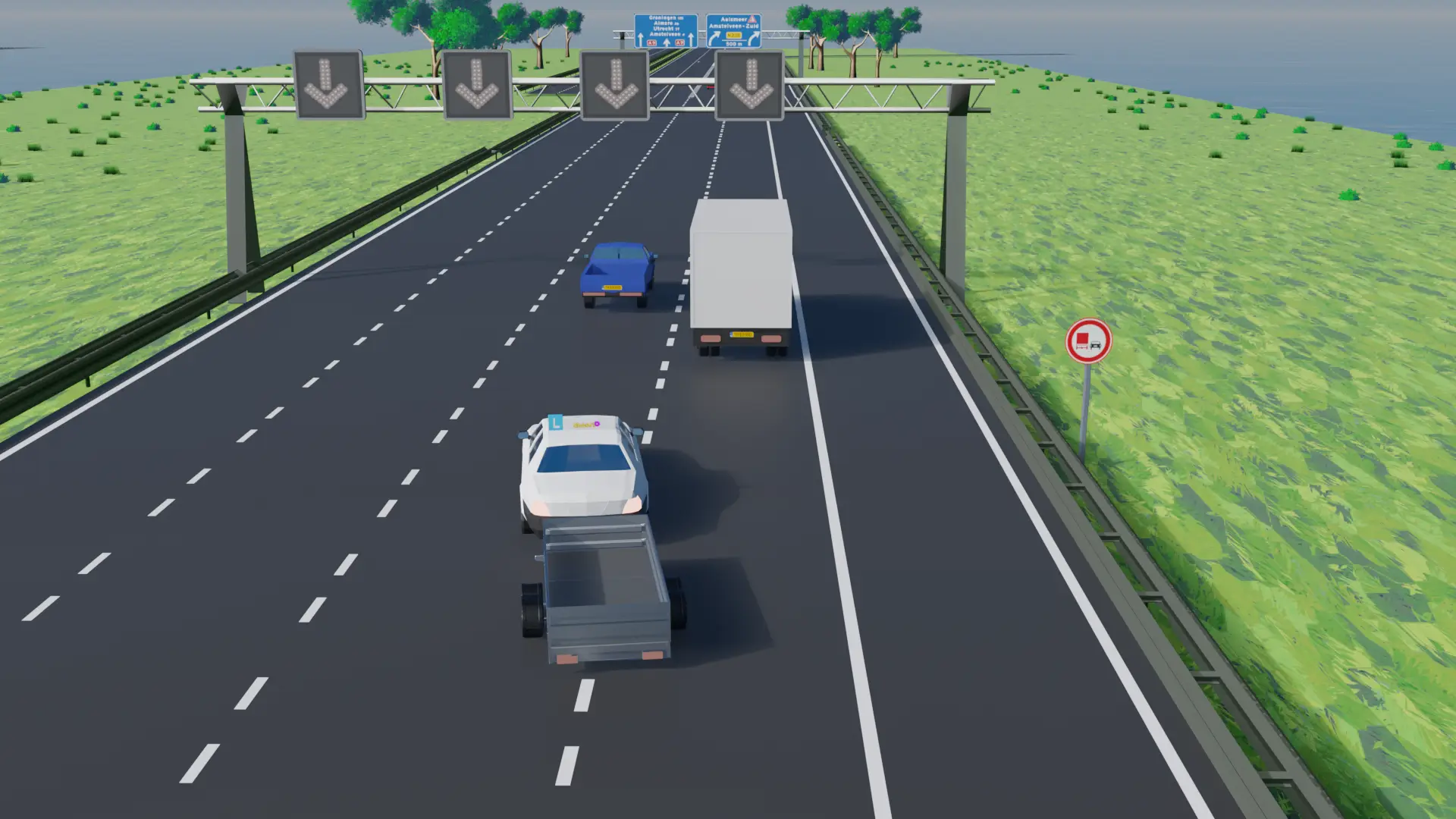
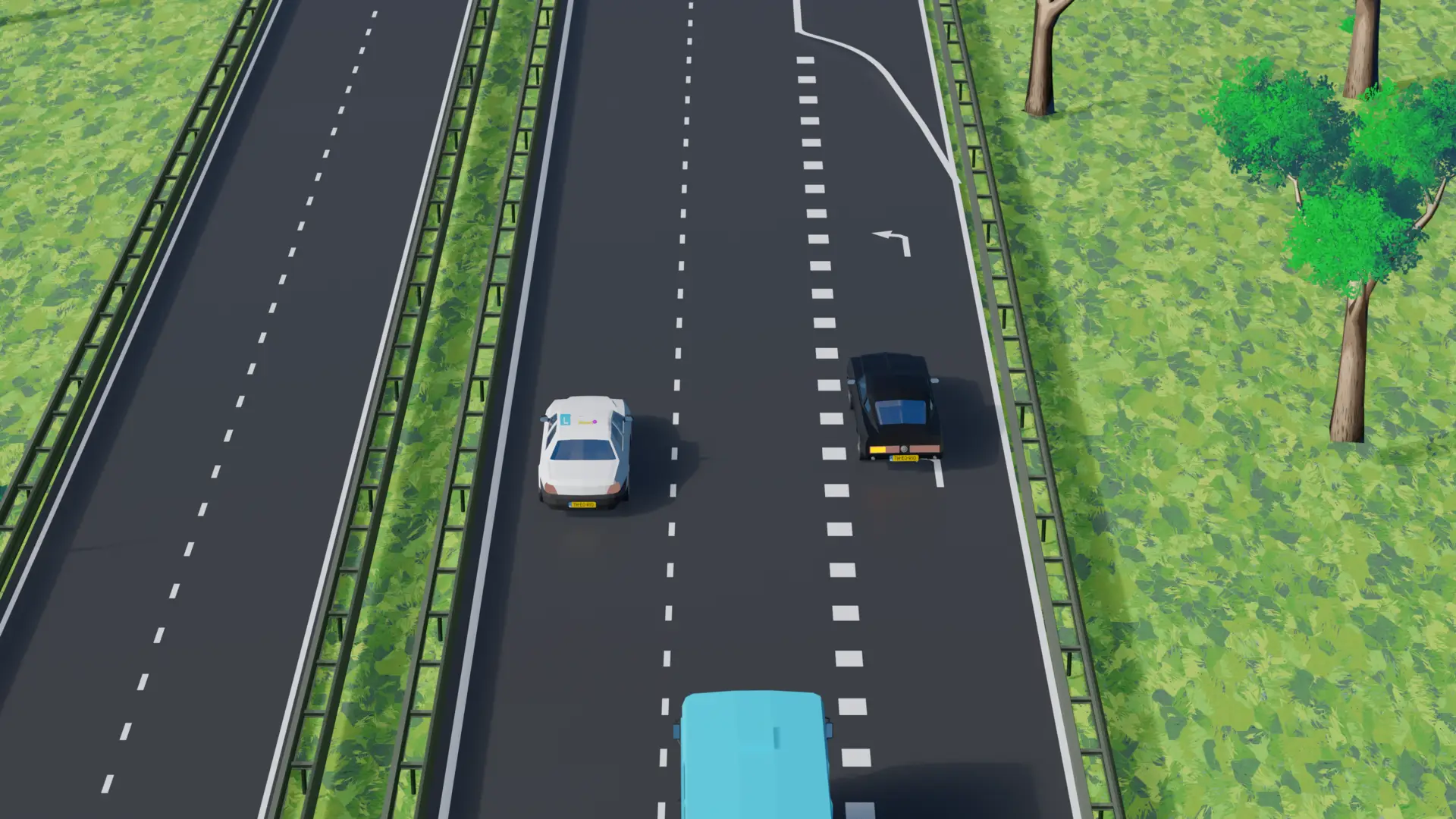
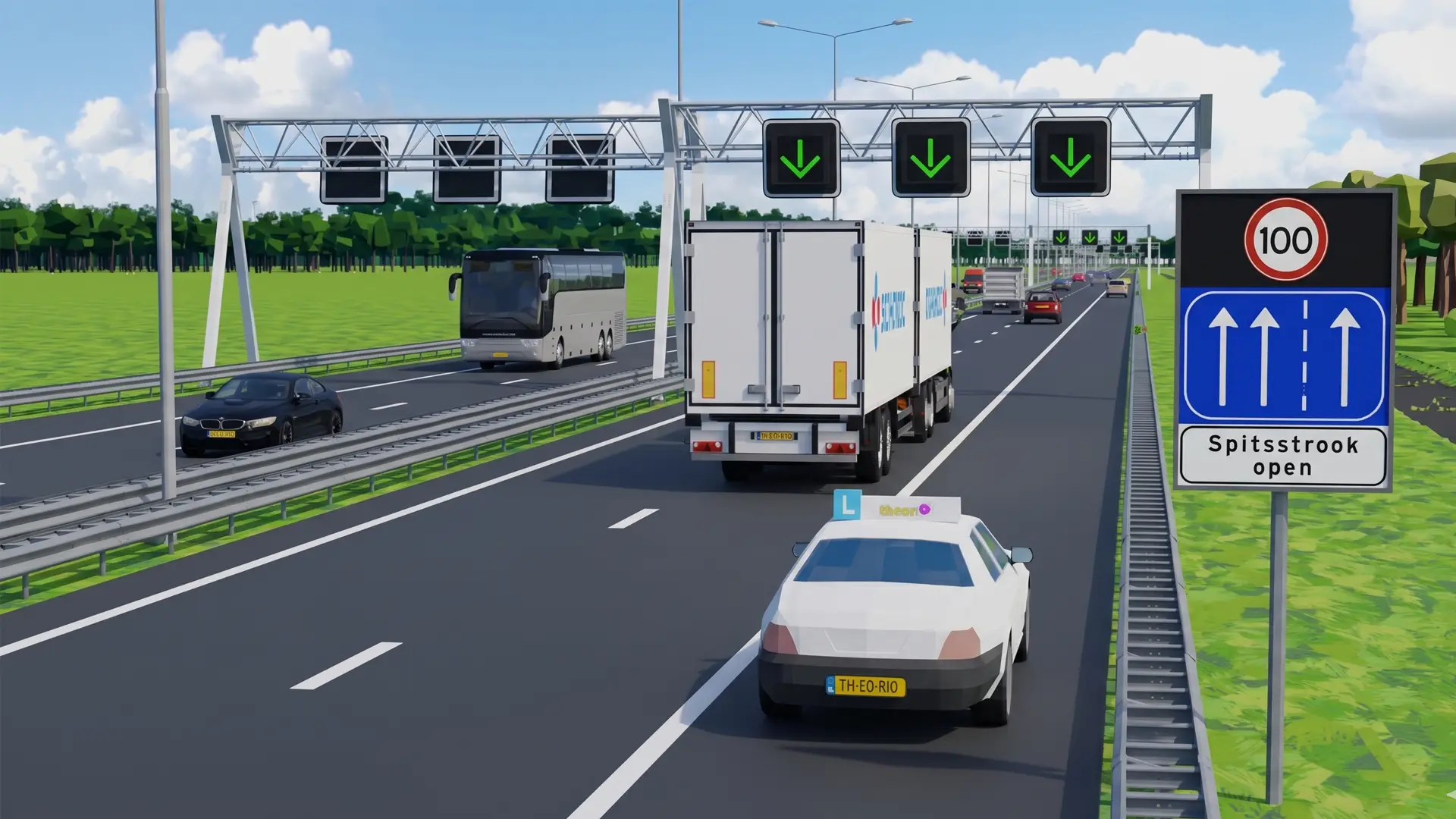
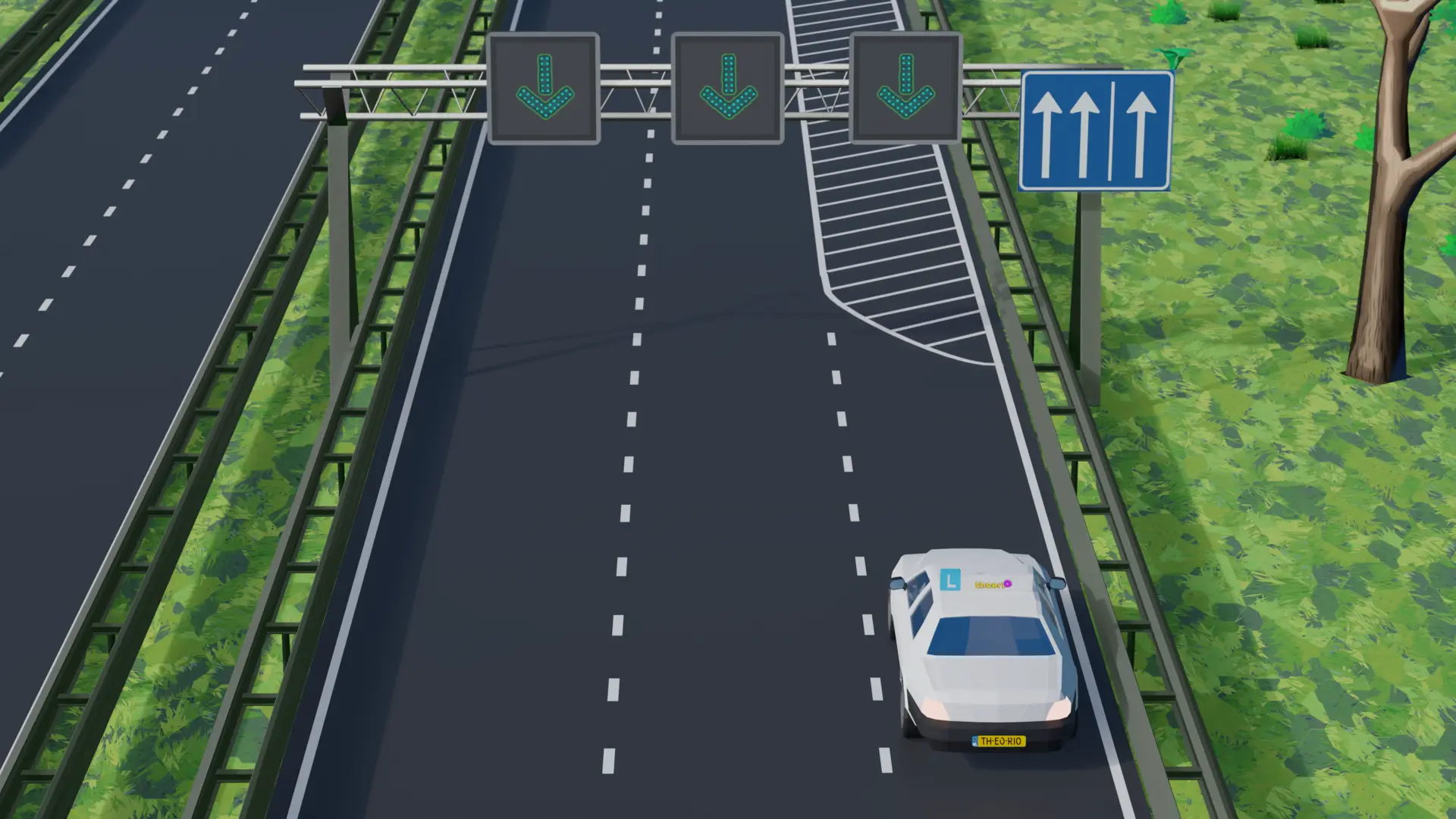
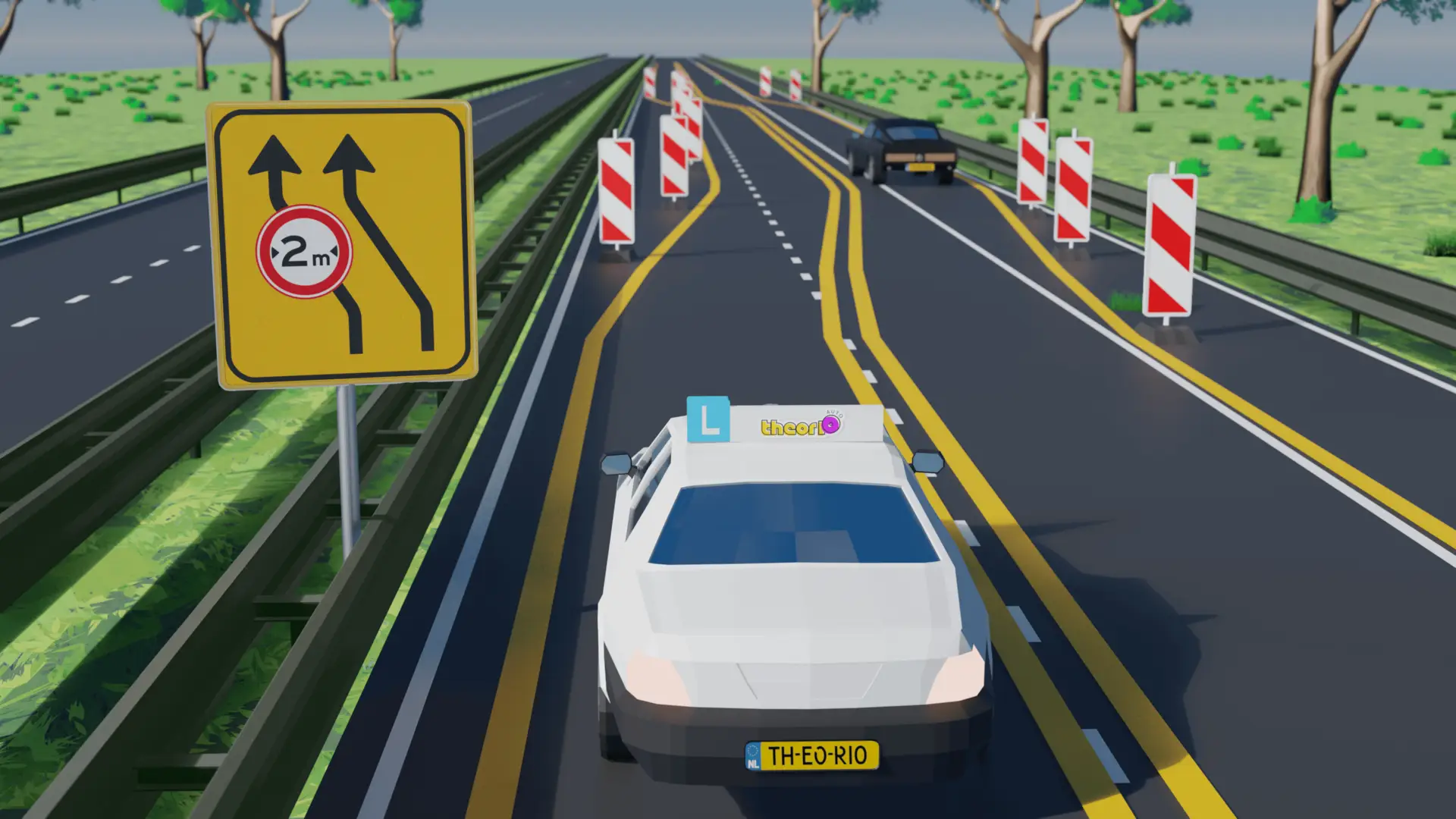
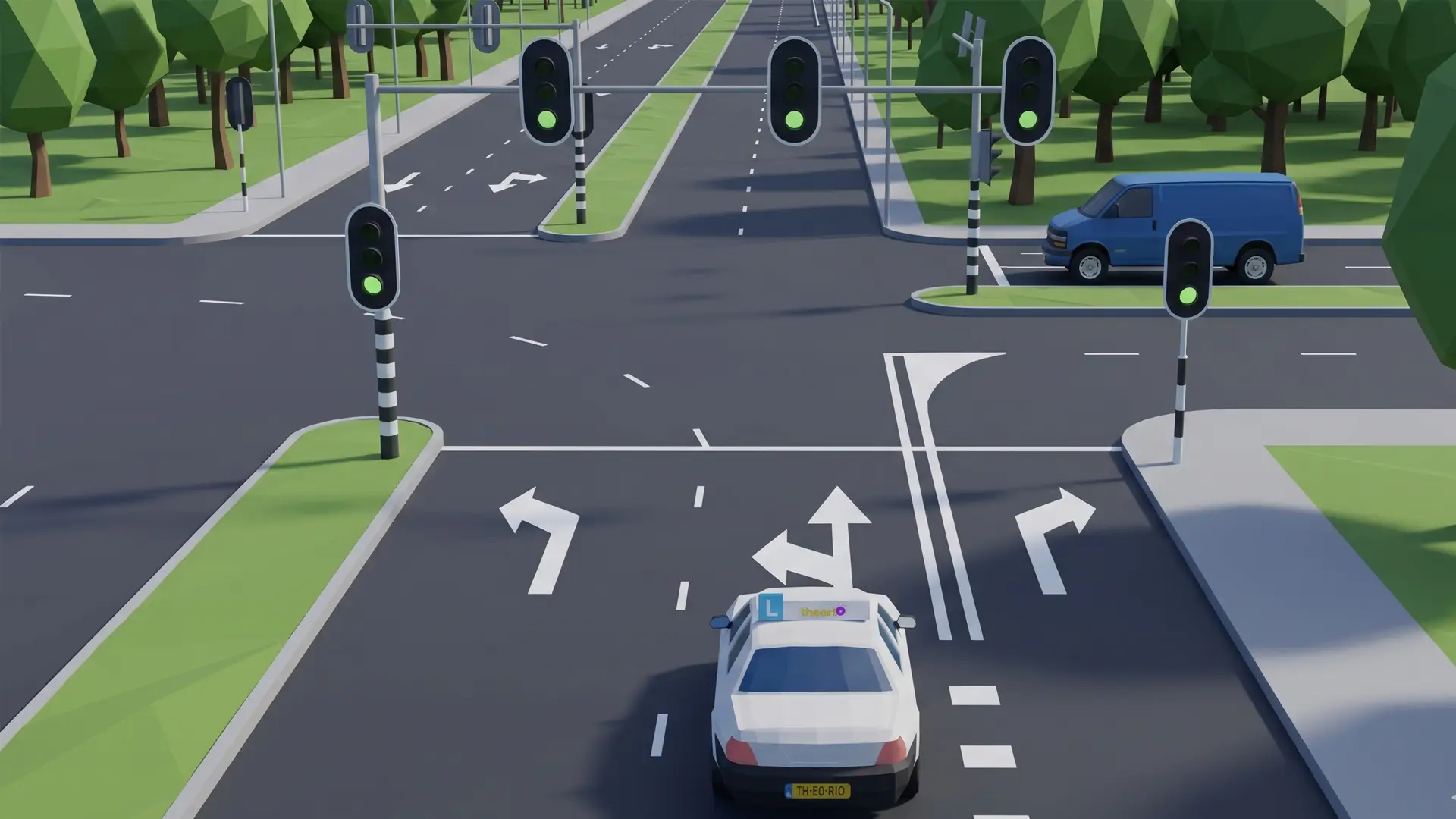
Stay as far to the right as possible. On roads with multiple lanes, you always choose the rightmost lane that leads in your direction. After overtaking, you return to the right as soon as possible. Matrix signs indicate whether lanes are open or closed. Rush hour lanes (spitsstroken) can be opened temporarily during busy periods.
Overtaking: no overview = do not overtake
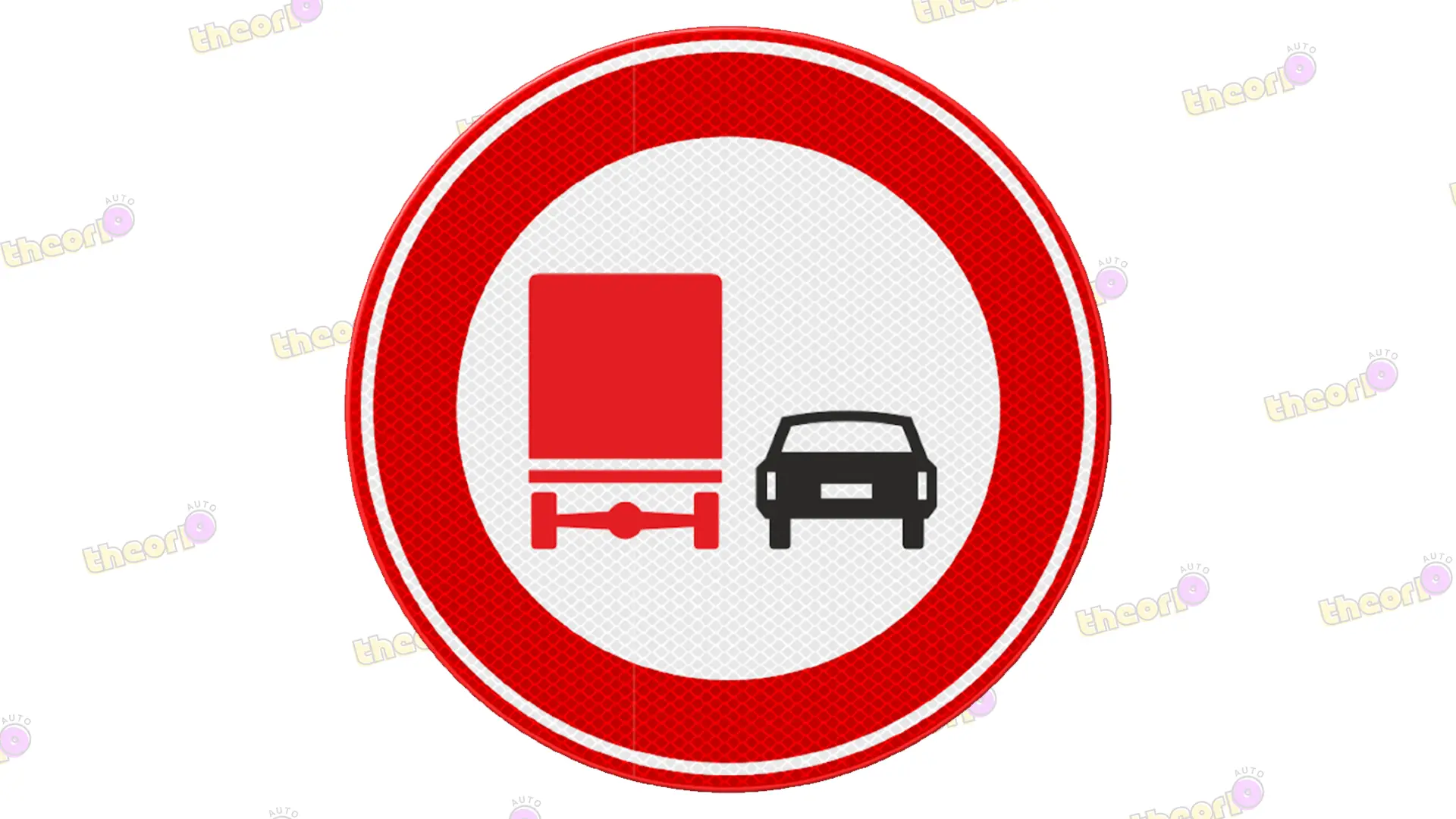
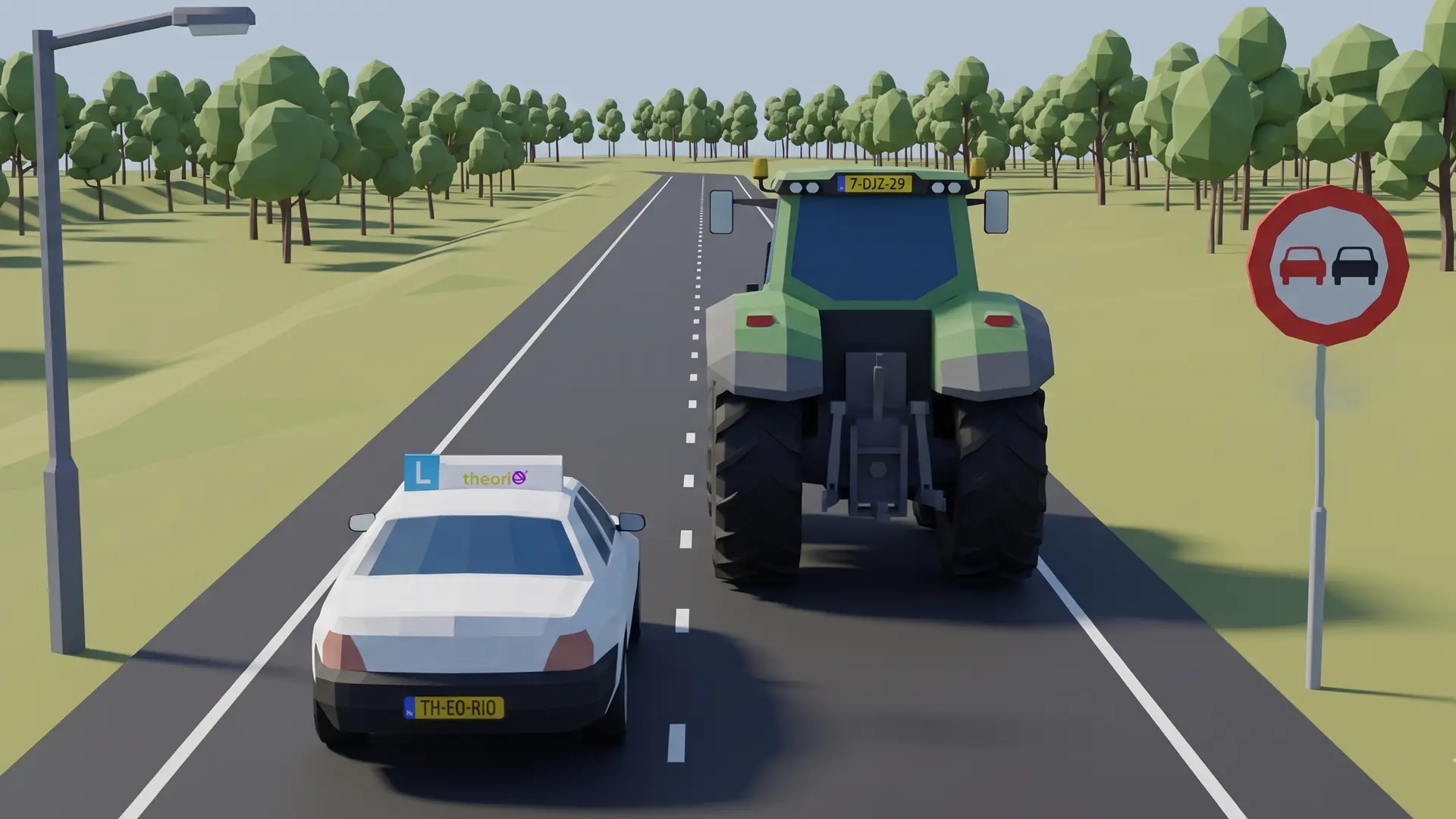
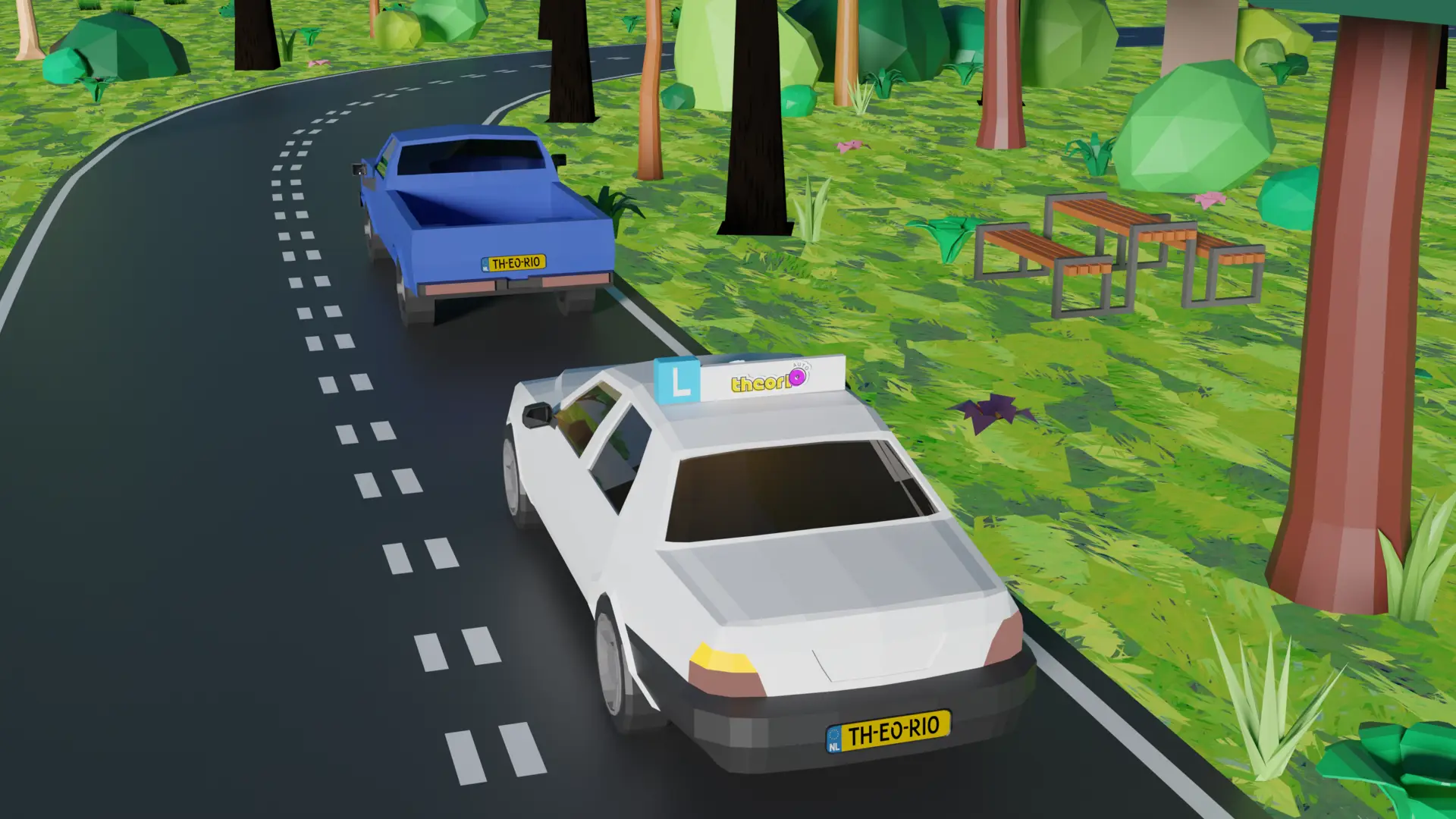
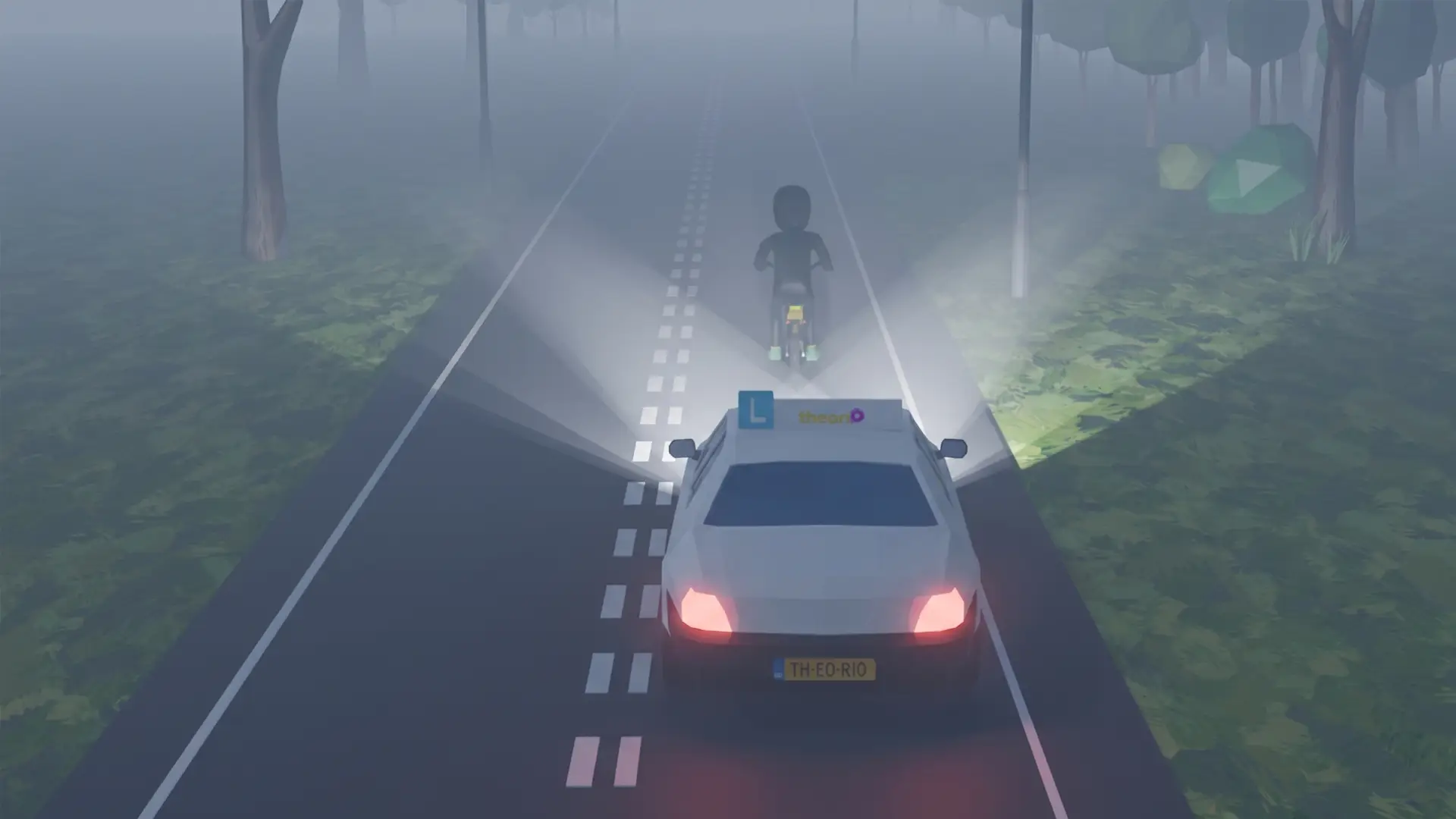
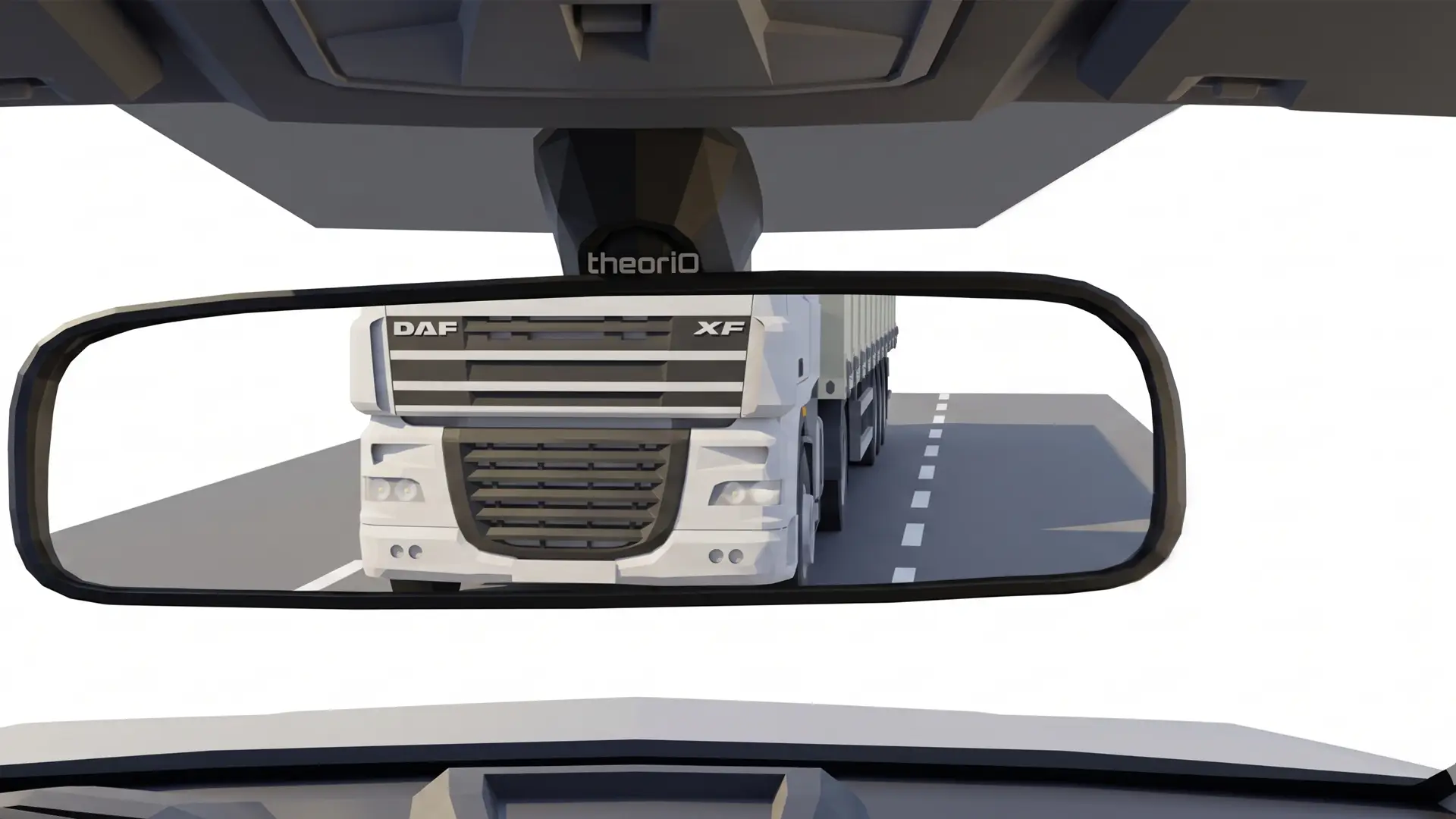
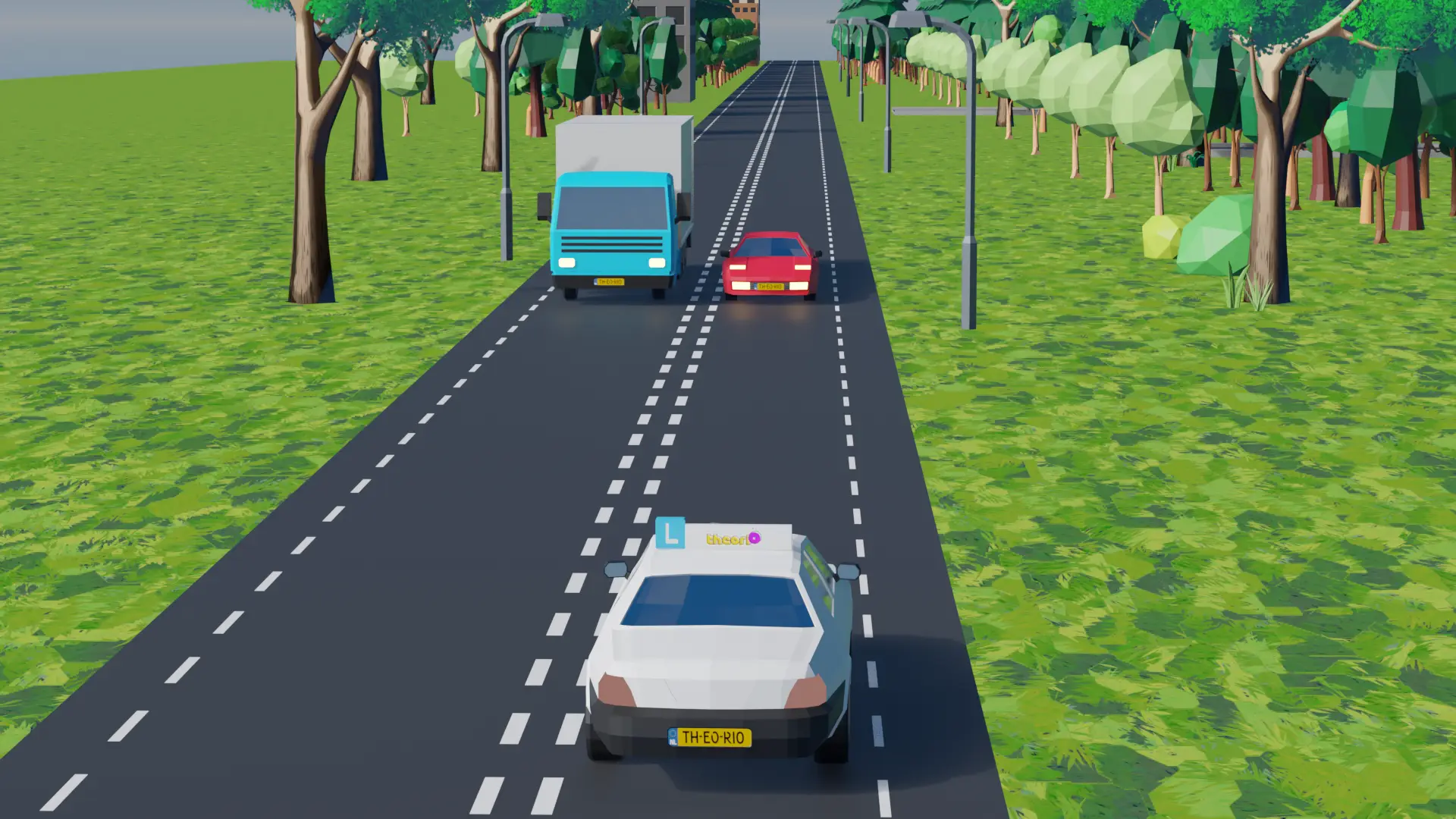
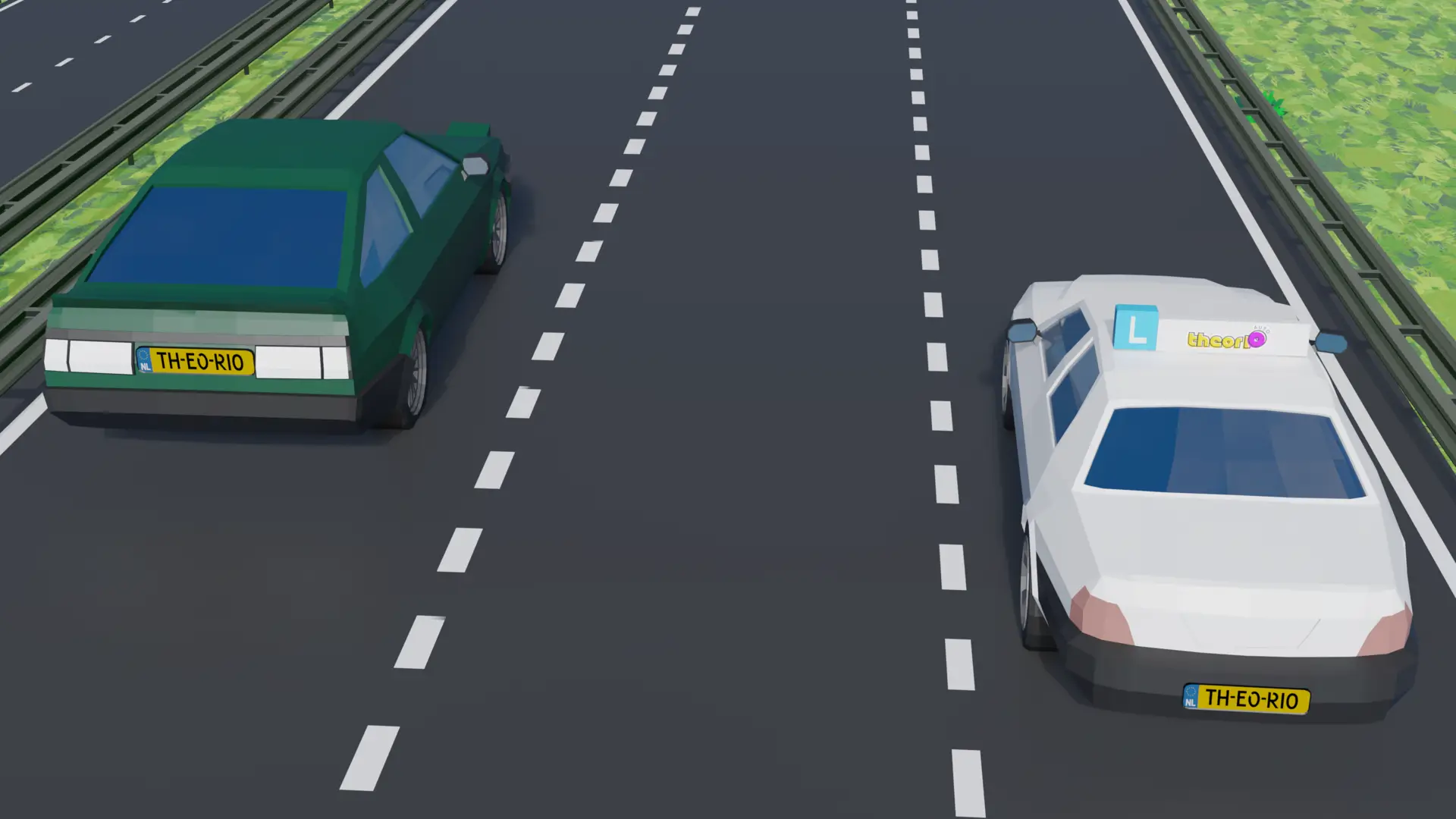
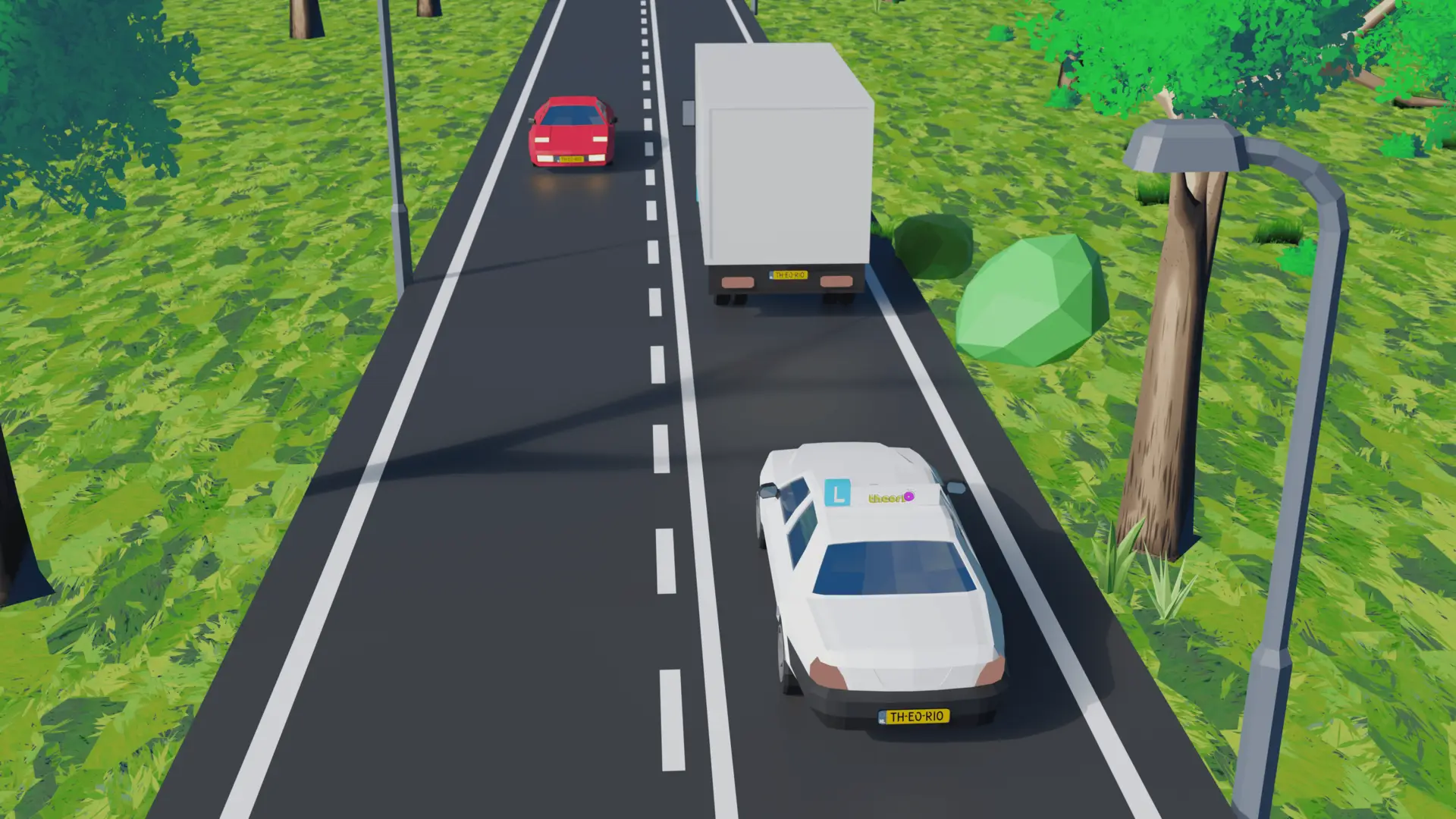
Overtaking means driving past someone. You do it via the left, with indicating when moving to the left and when returning to the right. You only return to the right once you can see the front of the overtaken vehicle in your interior mirror. Overtaking is only allowed if you have enough space and enough overview: at an intersection, in a bend on an ordinary road, in fog and at a zebra crossing you do not overtake. A continuous line on your side may not be crossed—except if the rush hour lane is open. Overtaking on the right is only allowed with block markings, in a traffic jam, on or before a roundabout with multiple lanes, at a tram, and when someone is already positioned in advance to the left.