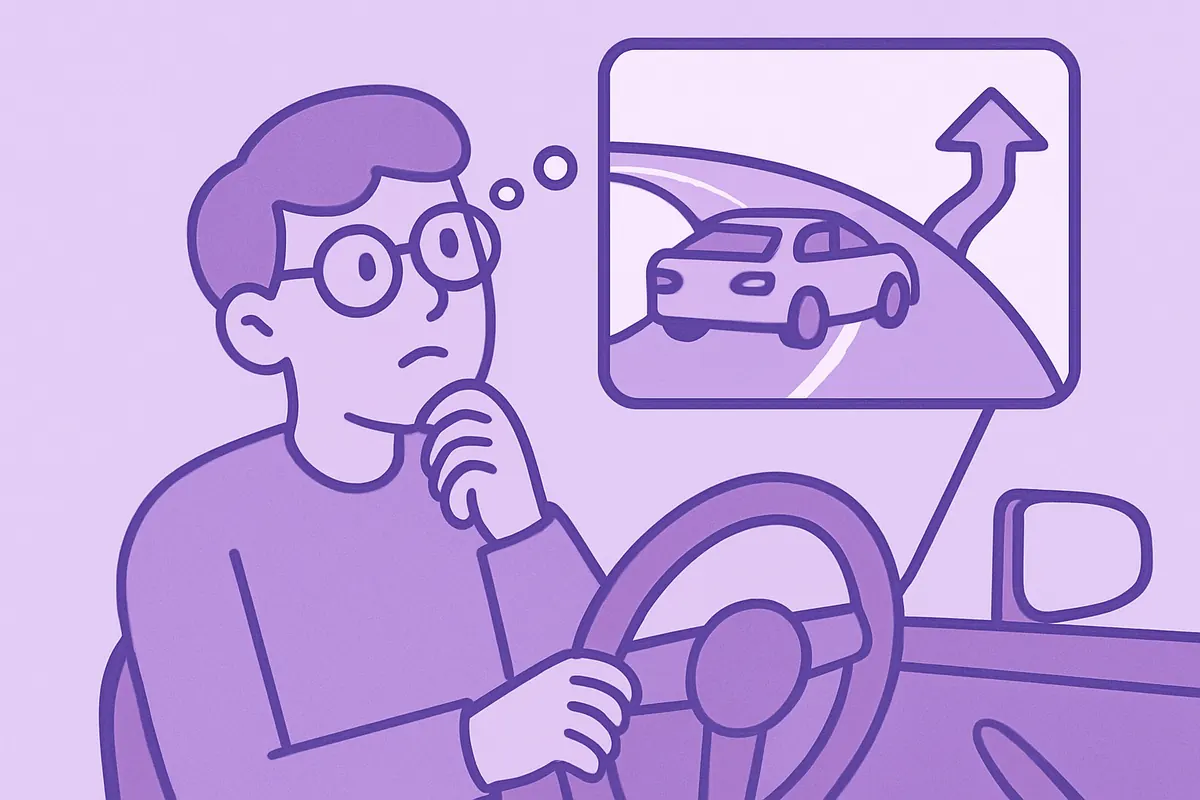
When Should You Signal? Everything About the Mandatory Turn Signal

Signaling is essential for safety on the road. Discover when you are required to use your turn signal, when it's wise to do so, and how to keep this in mind while practicing for the CBR car theory exam.
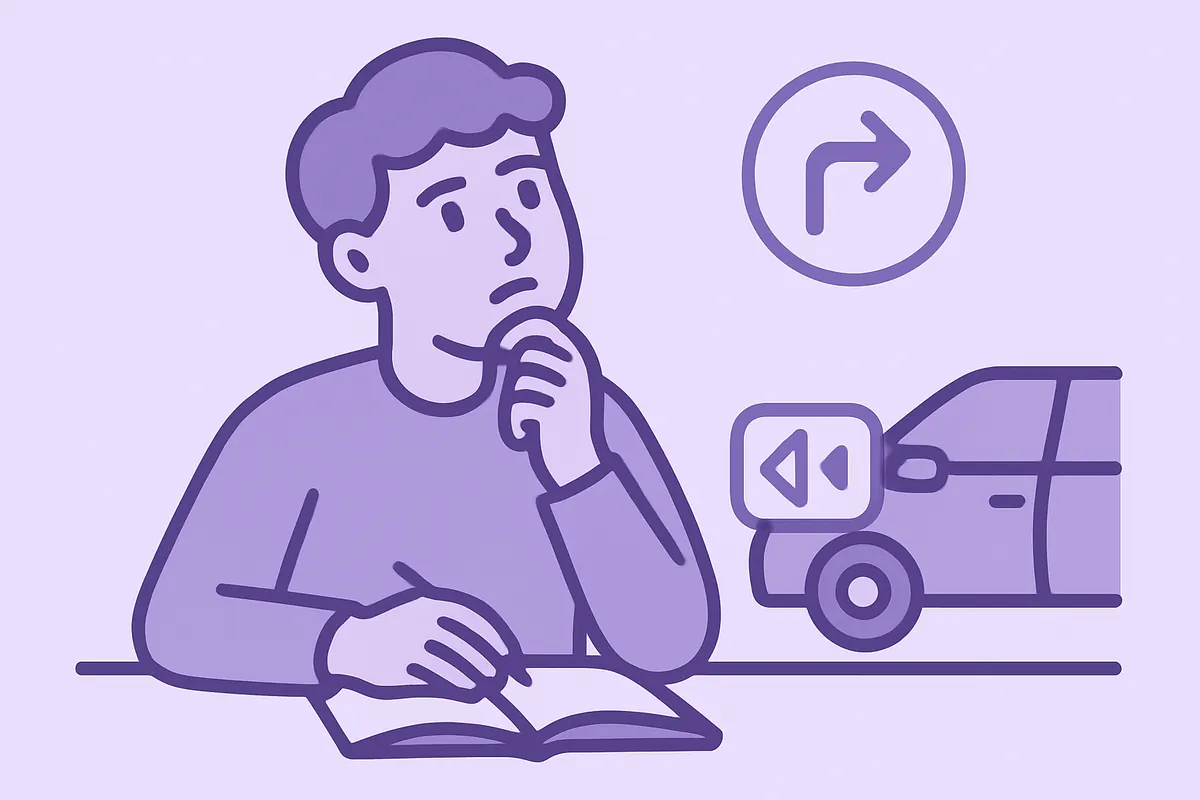
The use of turn signals is one of the most important actions in traffic. Not only because it is required by law, but mainly because it provides clarity to other road users about your intentions. But when are you actually required to signal, and when is it just wise to do so? In this article, you'll learn everything you need to know, including handy tips for your CBR car theory exam.
The Legal Obligation: When Must You Signal?
According to the Road Traffic Regulations and Traffic Signs (RVV 1990, article 55), you are required to signal when you:
- Want to drive away (pulling away from the curb or a parking space)
- Want to overtake another motor vehicle
- Want to enter or leave the main roadway
- Want to change lanes
- Make another significant lateral movement (for example, swerving to avoid an obstacle)
The purpose of these rules is to prevent endangering or unnecessarily hindering other road users. Your turn signal ensures that others know your plans in time, allowing them to anticipate your actions.
Signaling at Roundabouts: How Does It Work?
Roundabouts are a common point of confusion. The main rule is:
- When leaving the roundabout, you are required to signal right.
- When entering the roundabout, signaling is not always legally required, but it is often wise. It can make it clear to other road users that you are entering the roundabout, especially if you are turning right immediately.
Note: Always signal in a timely manner so that other drivers know your intentions. This helps prevent dangerous situations and misunderstandings.
When Is Signaling Wise but Not Required?
There are situations where signaling is not legally required but is recommended. Think of:
- When driving in a parking lot and making a turn
- When leaving a driveway where there are no other road users, but you still want to be visible
- If you are unsure whether someone can assess your intentions
The principle is always: it's better to signal too often than too little. It helps to prevent misunderstandings and dangerous situations.
Why Is Signaling So Important?
By signaling, you take into account the interests of other road users. You not only prevent danger but also unnecessary hindrance. This applies to all traffic, regardless of where it is or from which direction it approaches. Proper signaling is thus a sign of traffic insight and respect for others on the road.

Signaling and the CBR Car Theory Exam
Correctly using the turn signal is a fixed part of the CBR car theory exam. Therefore, practice a lot with realistic situations so you know exactly when to signal. With Theorio, you can practice for free with 150 questions, realistic CBR simulations, and immediate insight into your chances of passing. This way, you learn quickly and effectively, just like in the real exam.
Want to know more about traffic rules? Then also check out our topics on speeds and following distances, overtaking and position, priority and special road users, and general legislation.
Summary
Signaling is mandatory for all significant lateral movements, such as pulling away, overtaking, changing lanes, and leaving a roundabout. In other situations, it is wise to signal if it provides clarity to other road users. Practice these rules well with Theorio and increase your chances of passing the CBR theory exam!