RVV 1990 · complete list
All Dutch traffic signs and their meaning
From A1 to G14: all 171 official Dutch traffic signs with code, category and explanation. Search by name or sign code, or filter by category.
Practice traffic signs for freeDutch traffic signs are grouped into categories. Prohibitory signs are round with a red border and forbid something, mandatory signs are round and blue and require something, and warning signs are triangular with a red border and warn of a hazard. Below are all 171 RVV 1990 signs by category, with their meaning.
How to read any Dutch traffic sign
Shape and colour give away the meaning
You do not have to memorise all 171 signs one by one. The shape and the colour almost always tell you which group a sign belongs to. A round sign with a red border prohibits something. A round blue sign instead requires something, such as a compulsory direction of travel. A triangle pointing up with a red border warns of a hazard ahead. If that triangle is upside down, you have to give way. The octagonal stop sign is the only sign with that shape, so you still recognise it when it is covered in snow or dirt. Rectangular blue signs give information, and yellow signs belong to a temporary situation such as a diversion or roadworks.
The sign code reveals the category
Every RVV sign has a code starting with a letter, and that letter is the category. A is speed, B is priority, C is closed to traffic, D is direction of travel, E is parking and stopping, F covers the remaining orders and prohibitions, G relates to the type of road such as the motorway, H marks the built-up area, J is warning, K is direction signage and L is information. So if sign J8 comes up in your exam, you know straight away that it is a warning sign, even if the pictogram does not immediately ring a bell. That saves valuable seconds in the theory exam.
Supplementary plates change what applies
A white rectangular supplementary plate is often mounted below a traffic sign, and it helps determine what the sign actually means. Such a plate can state the times during which the sign applies, restrict it to certain vehicles, or indicate over what distance or in which direction it applies. A parking ban with a plate reading “ma t/m vr 8-18 h” therefore does not apply outside those hours. In the CBR theory exam the difference between right and wrong often sits precisely in that plate, so always read it first.
Signs that are often mixed up
A number of signs look very much alike. C1 closes a road in both directions, while C2 only prohibits entering a one-way street: from the other end you may still drive in. Watch out for two-wheelers as well. On traffic signs the same bicycle symbol stands for both bicycles and light mopeds, while the moped has a symbol of its own. A prohibition for mopeds therefore does not automatically apply to light mopeds. Click a sign below for the full explanation, the rule that goes with it and the signs it gets confused with.
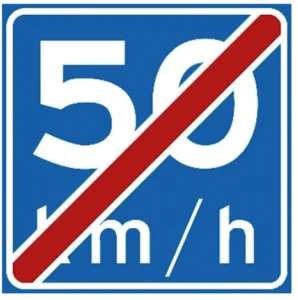
Speed
5 signs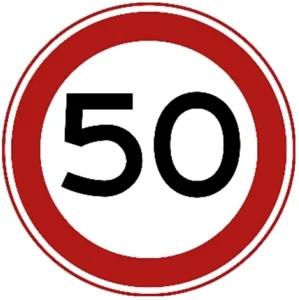
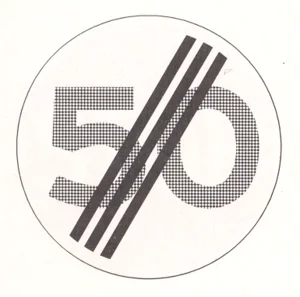
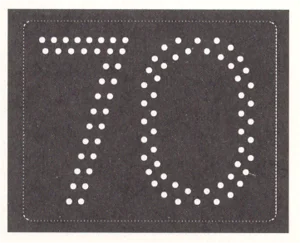
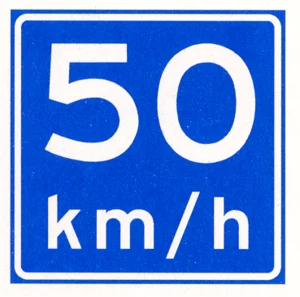
Right of way
7 signs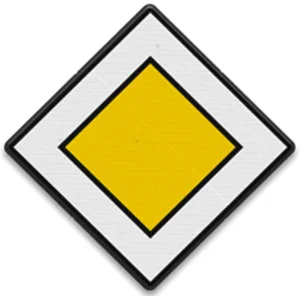

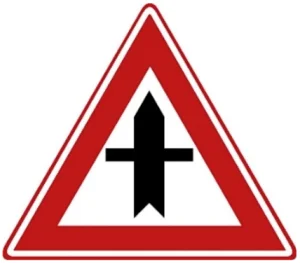
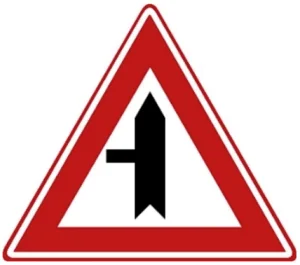
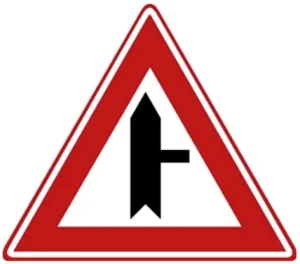
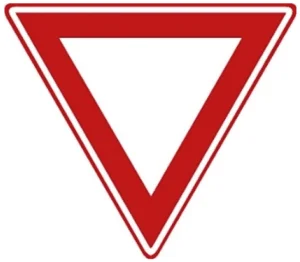
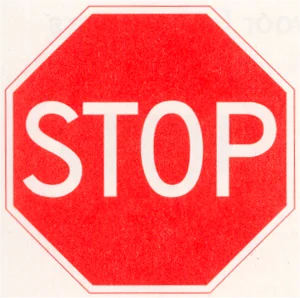
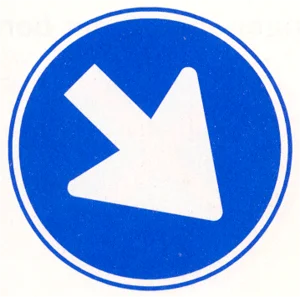
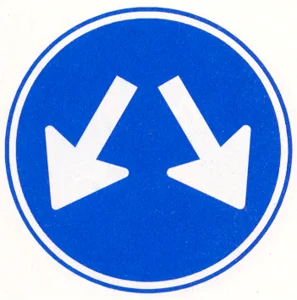
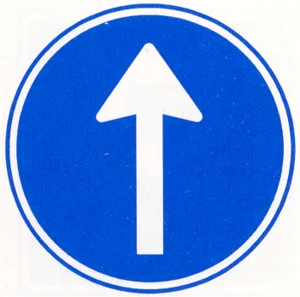
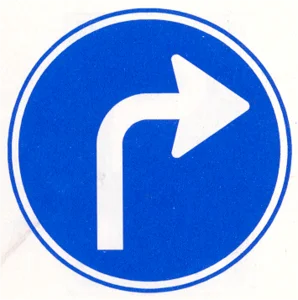
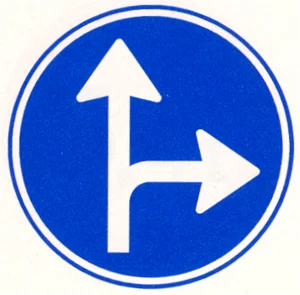
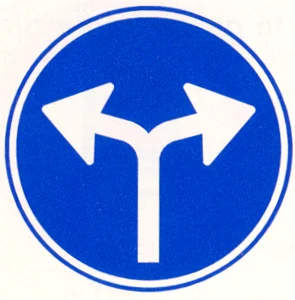
Direction of travel
7 signs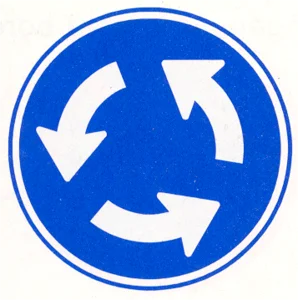
Prohibition
24 signs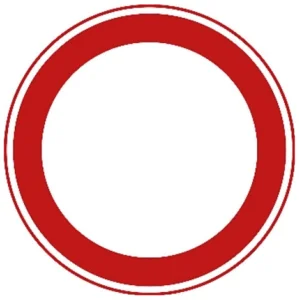 C1 Closed in both directions
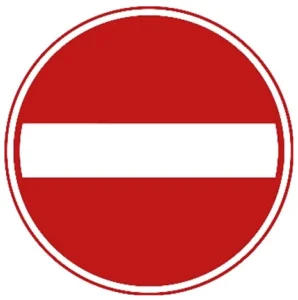 C2 No entry
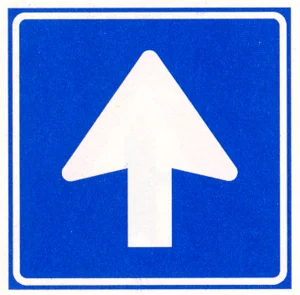 C3 One-way street
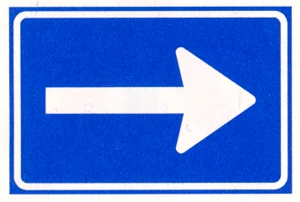 C4 One-way street
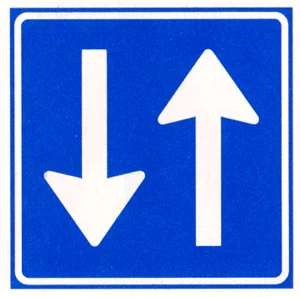 C5 Entry permitted
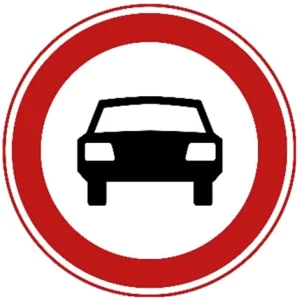 C6 No cars
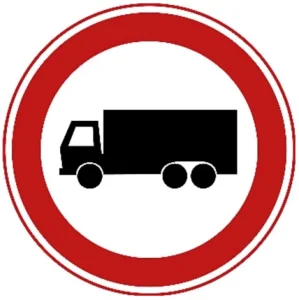 C7 No lorries
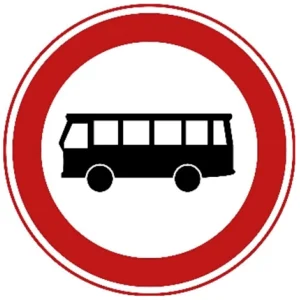 C7a No buses
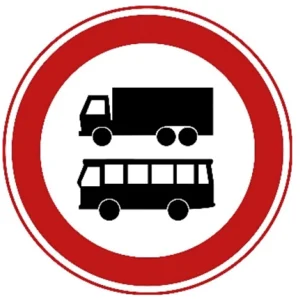 C7b No buses or lorries
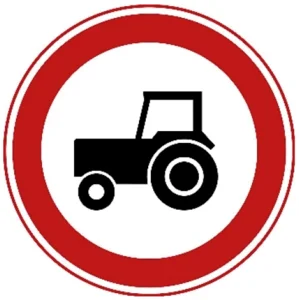 C8 No tractors
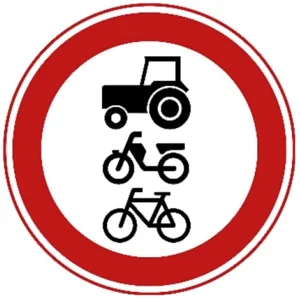 C9 No slow traffic
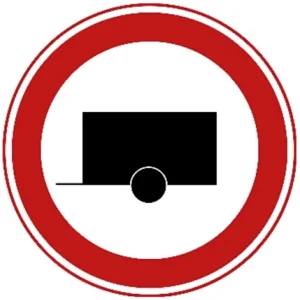 C10 No trailers
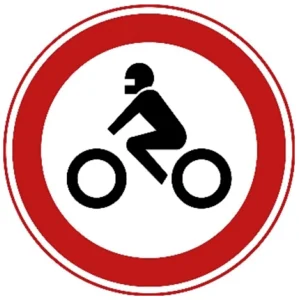 C11 No motorcycles
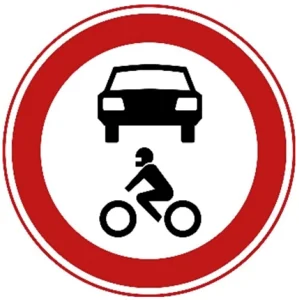 C12 No motor vehicles
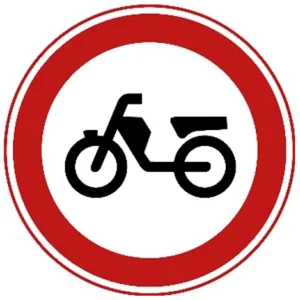 C13 No mopeds
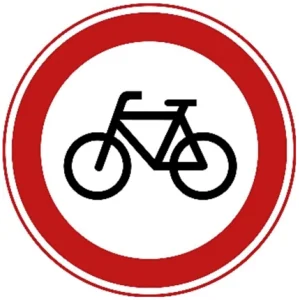 C14 No bicycles
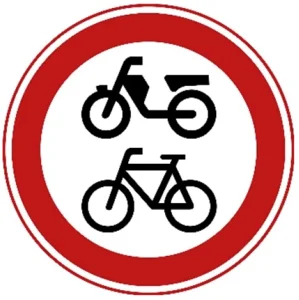 C15 No bicycles or mopeds
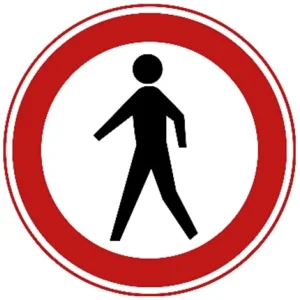 C16 No pedestrians
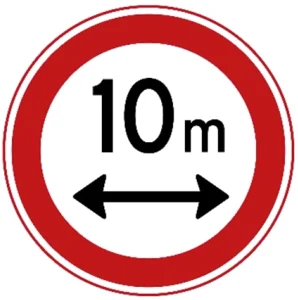 C17 Maximum length
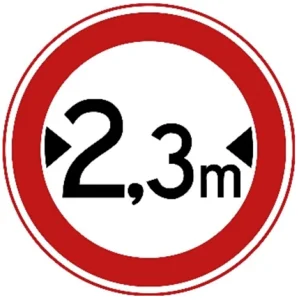 C18 Maximum width
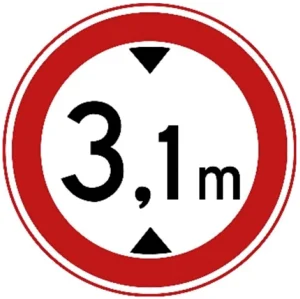 C19 Maximum height
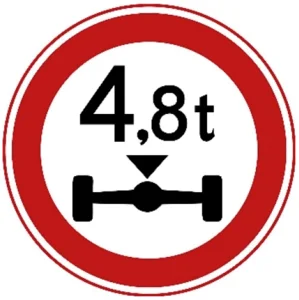 C20 Maximum axle load
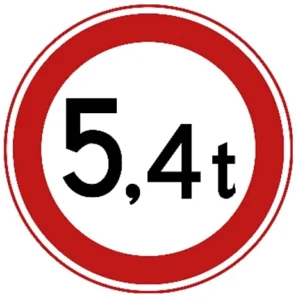 C21 Maximum total mass
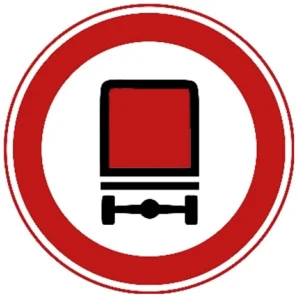 C22 No dangerous goods
Other mandatory and prohibitory signs
22 signs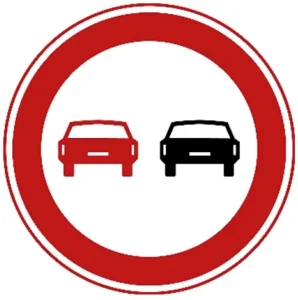 F1 No overtaking
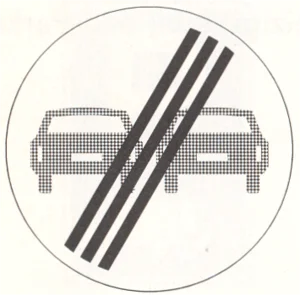 F2 End of no overtaking
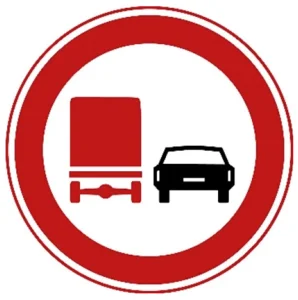 F3 No overtaking for lorries
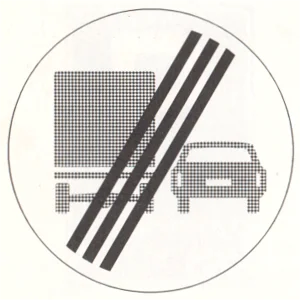 F4 End of no overtaking for lorries
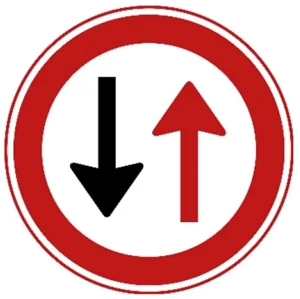 F5 Give way to oncoming traffic
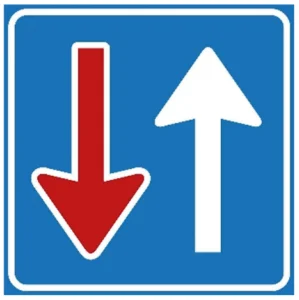 F6 Priority over oncoming traffic
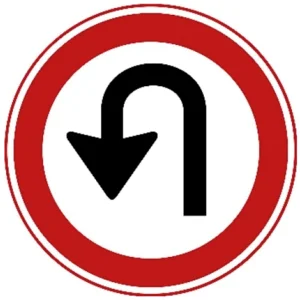 F7 No U-turns
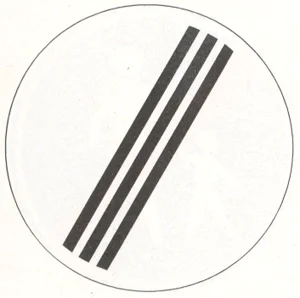 F8 End of all restrictions
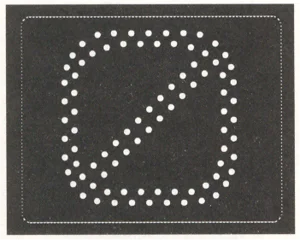 F9 End of electronically signed restrictions
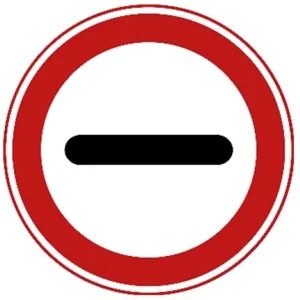 F10 Stop for customs or police
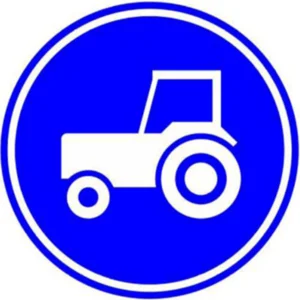 F11 Compulsory passing lane
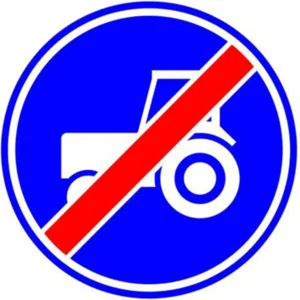 F12 End of compulsory passing lane
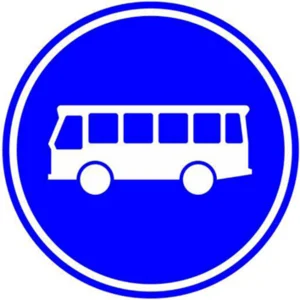 F13 Bus lane
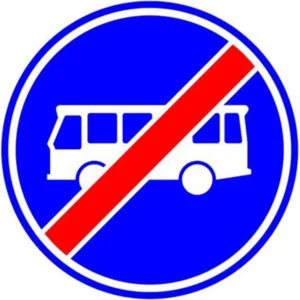 F14 End of bus lane
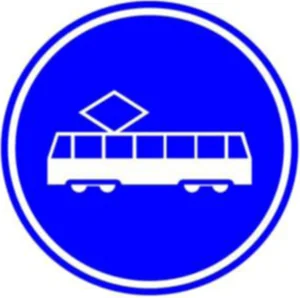 F15 Tram lane
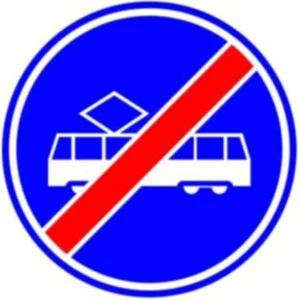 F16 End of tram lane
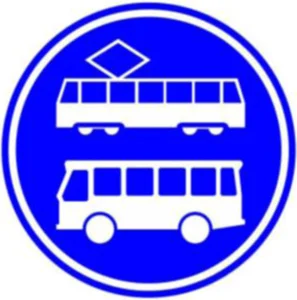 F17 Bus and tram lane
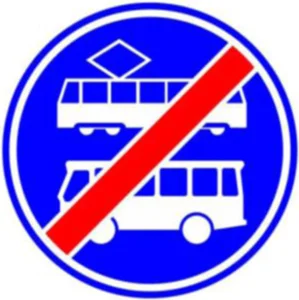 F18 End of bus and tram lane
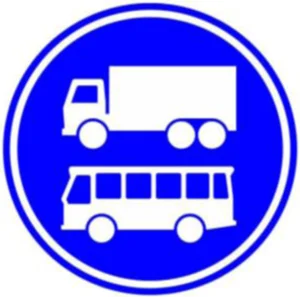 F19 Lorry and bus lane
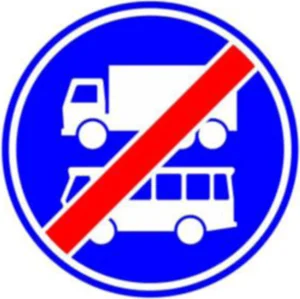 F20 End of lorry and bus lane
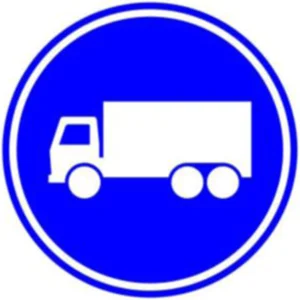 F21 Lorry lane
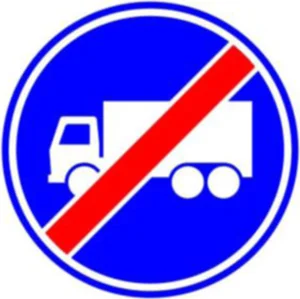 F22 End of lorry lane
Warning
39 signs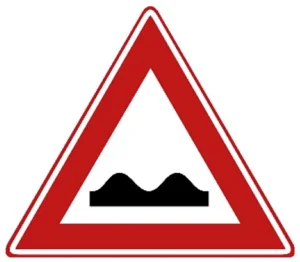 J1 Poor road surface
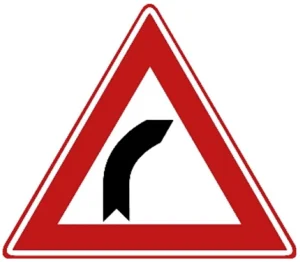 J2 Bend to the right
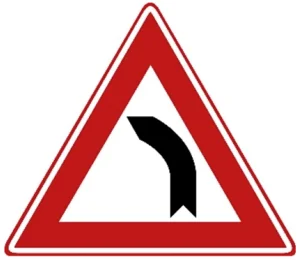 J3 Bend to the left
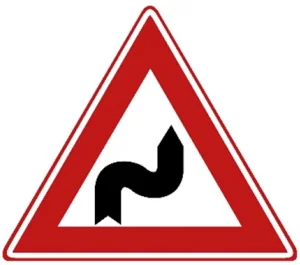 J4 S-bend(s), first to the right
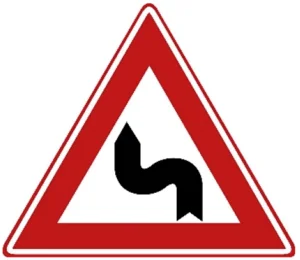 J5 S-bend(s), first to the left
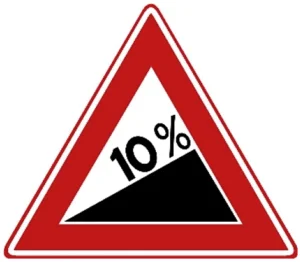 J6 Steep hill
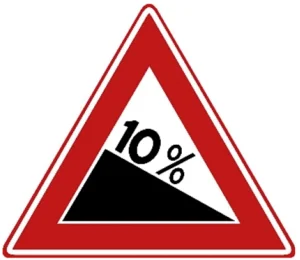 J7 Dangerous descent
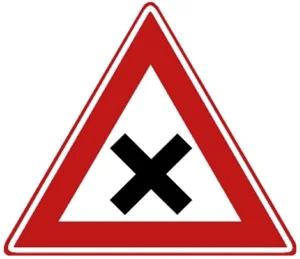 J8 Dangerous intersection
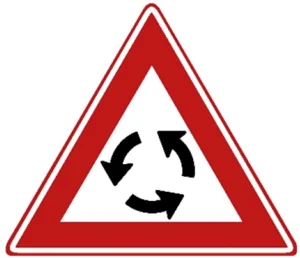 J9 Roundabout
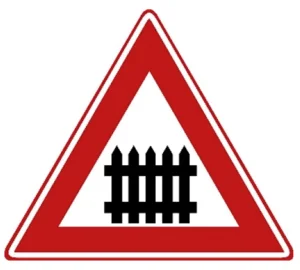 J10 Level crossing with barriers
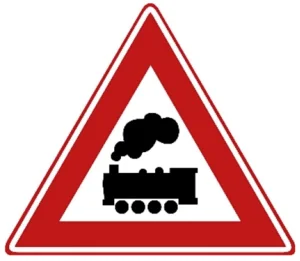 J11 Level crossing without barriers
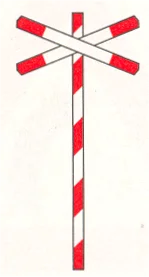 J12 Level crossing with a single track
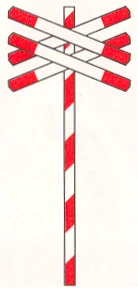 J13 Level crossing with two or more tracks
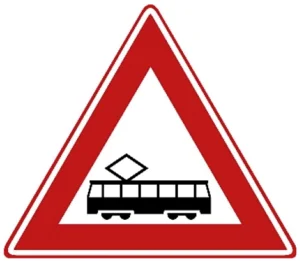 J14 Tram (crossing)
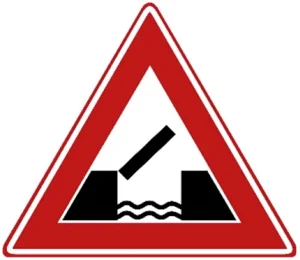 J15 Movable bridge
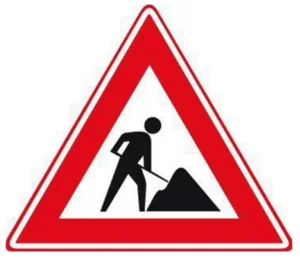 J16 Roadworks
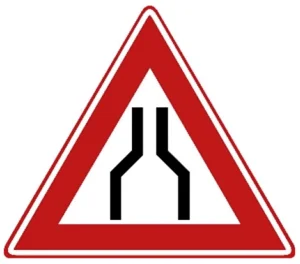 J17 Road narrows
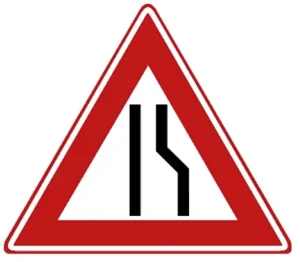 J18 Road narrows on the right
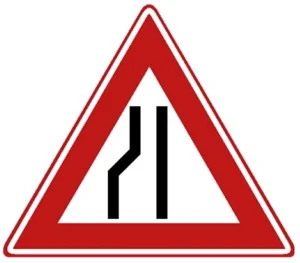 J19 Road narrows on the left
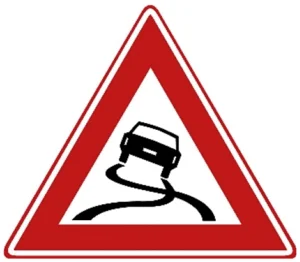 J20 Risk of skidding
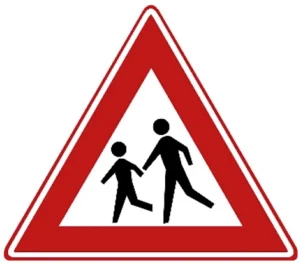 J21 Children
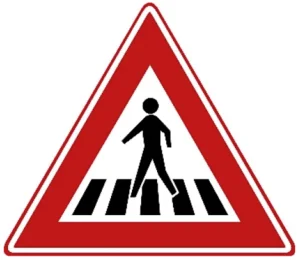 J22 Pedestrian crossing
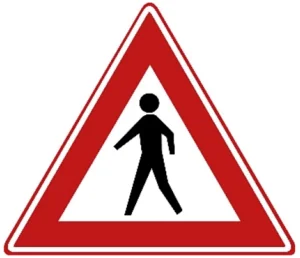 J23 Pedestrians
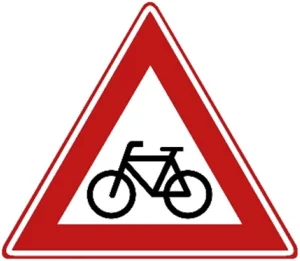 J24 Cyclists and moped riders
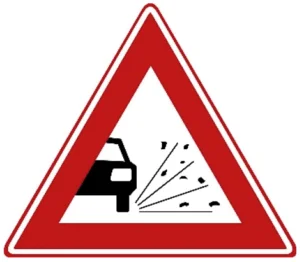 J25 Loose chippings
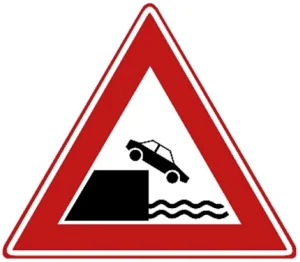 J26 Quay or riverbank
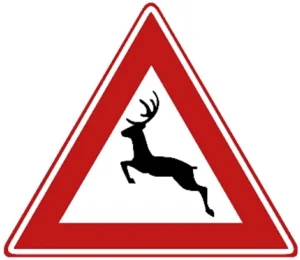 J27 Large wild animals
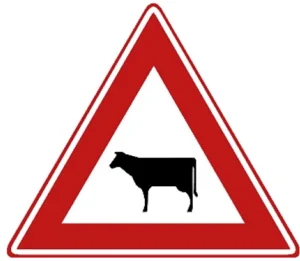 J28 Cattle
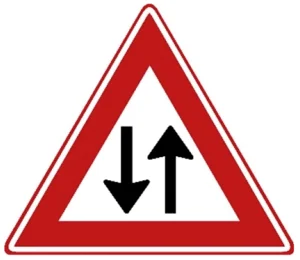 J29 Oncoming traffic
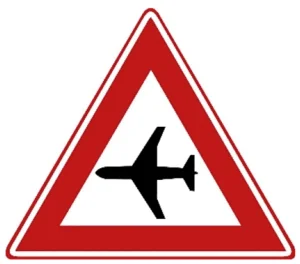 J30 Low-flying aircraft
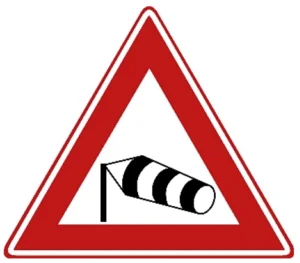 J31 Crosswind
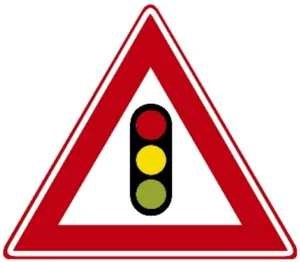 J32 Traffic lights
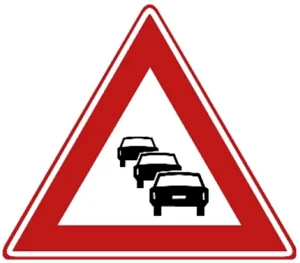 J33 Traffic jam
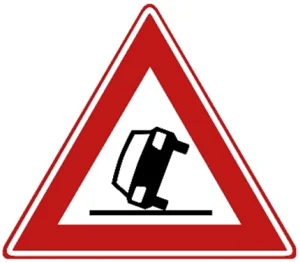 J34 Accident
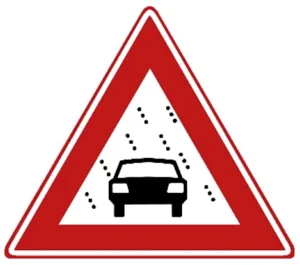 J35 Poor visibility
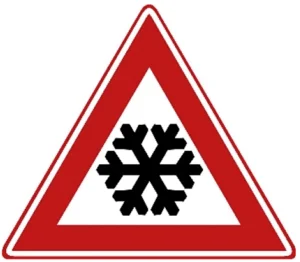 J36 Black ice or snow
 J37 Danger, see supplementary panel
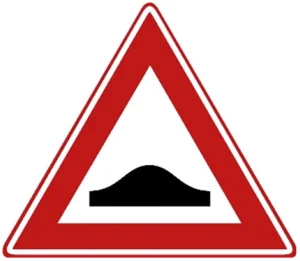 J38 Speed bump
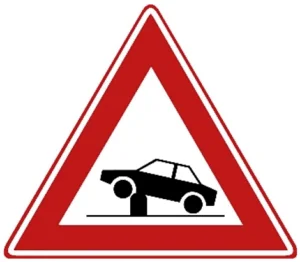 J39 Retractable bollard
Parking and stopping
16 signs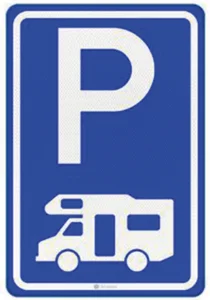 E8a Camper van parking
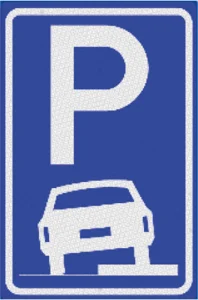 E8b Park with two wheels on the pavement
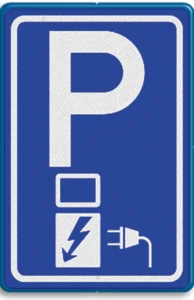 E8c Electric vehicle charging bay
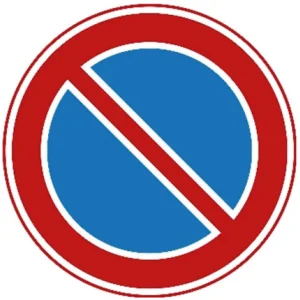 No parking
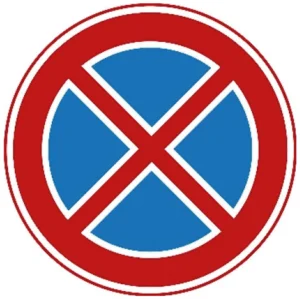 No stopping
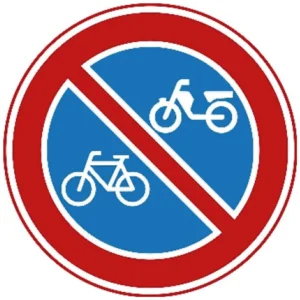 No bicycle parking
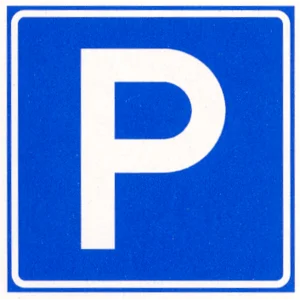 Parking
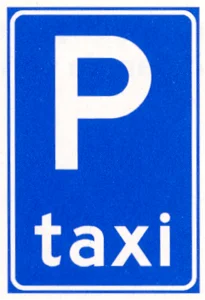 Taxi rank
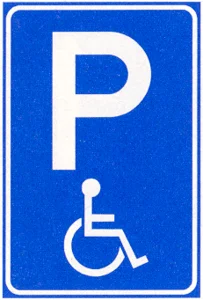 Disabled parking space
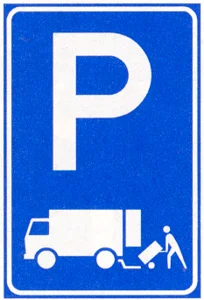 Loading and unloading bay
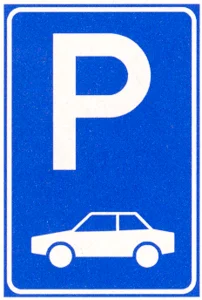 Parking for indicated vehicles
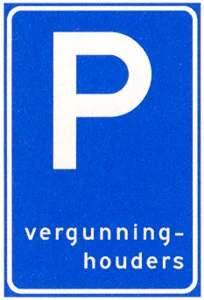 Permit holder parking
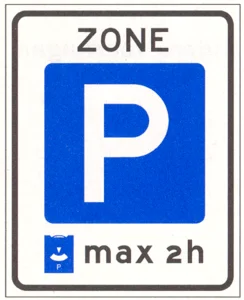 Parking disc zone
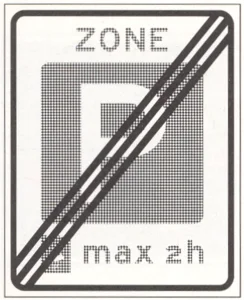 End of parking disc zone
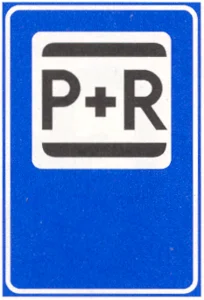 Park and ride
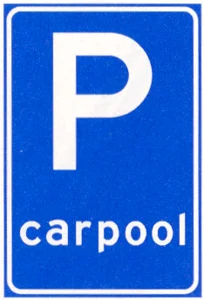 Carpool parking
Signposting
12 signs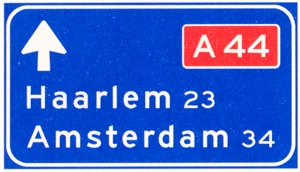 K1 Motorway direction sign
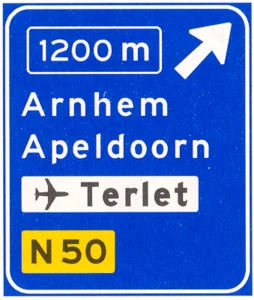 K2 Motorway advance direction sign
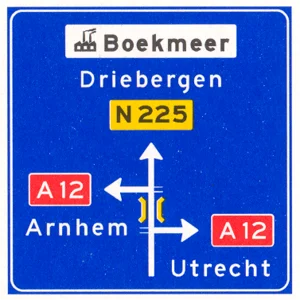 K5 Advance direction sign
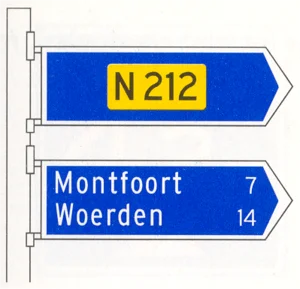 K6 Direction sign
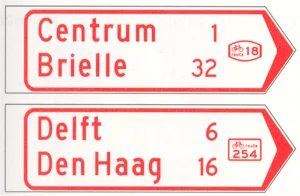 K7 Cycle route fingerpost
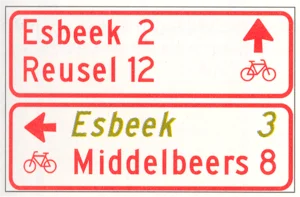 K8 Stacked cycle route sign
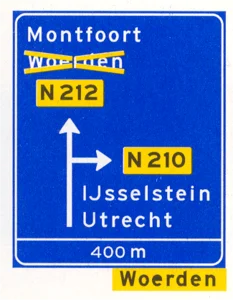 K9 Diversion sign
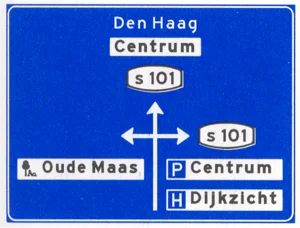 K10 Urban advance direction sign
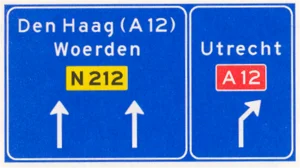 K11 Lane selection sign
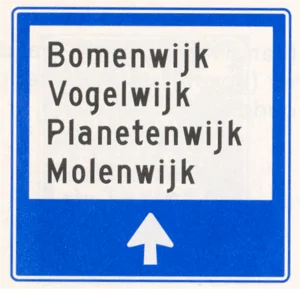 K12 District sign with names
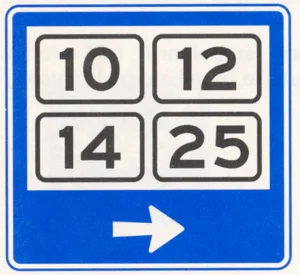 K13 District sign with numbers
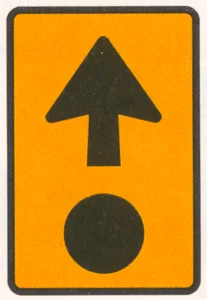 K14 Dangerous goods route
Information
21 signs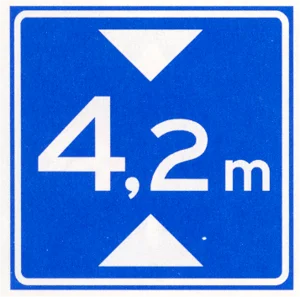 L1 Underpass height
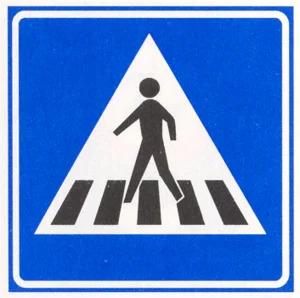 L2 Pedestrian crossing
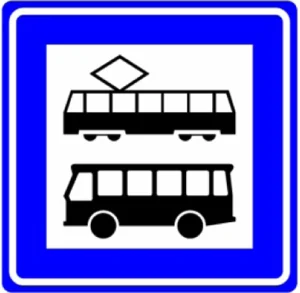 L3 Bus or tram stop
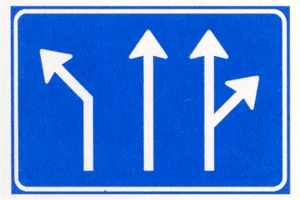 L4 Lane assignment
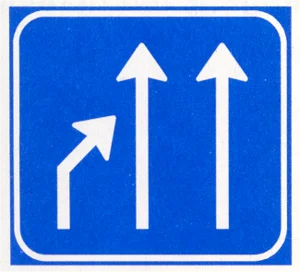 L5 End of lane
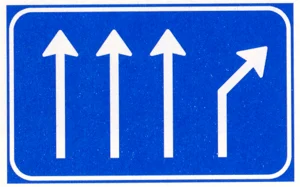 L6 Road splits
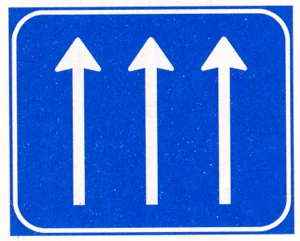 L7 Number of through lanes
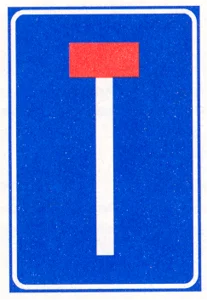 L8 Dead-end road
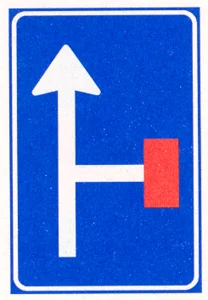 L9 Advance warning of a dead-end road
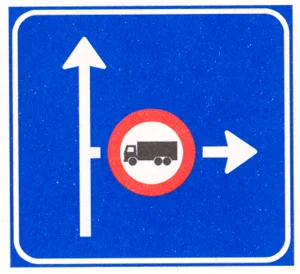 L10 Advance warning of traffic measure
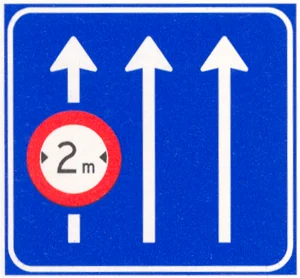 L11 Sign applies to marked lanes
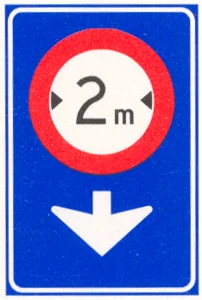 L12 Sign applies to one lane
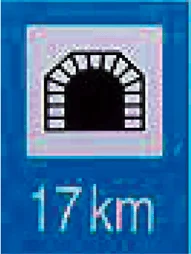 L13 Road tunnel
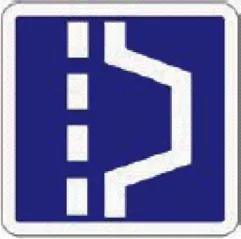 L14 Emergency refuge area
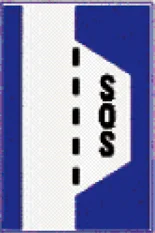 L15 Emergency lay-by with phone
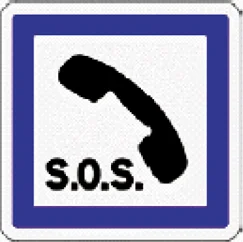 L16 Emergency telephone
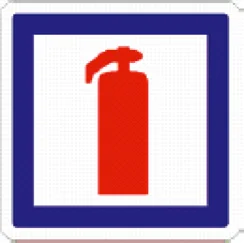 L17 Fire extinguisher
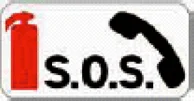 L18 Emergency telephone and fire extinguisher
 L19 Nearest exit
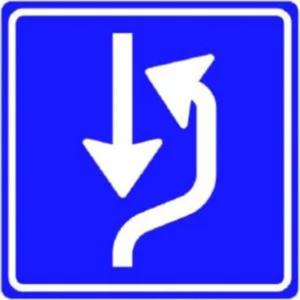 L20 Lay-by on the right
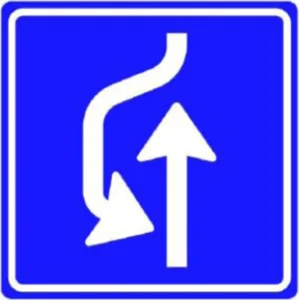 L21 Lay-by on the left
Built-up area
2 signs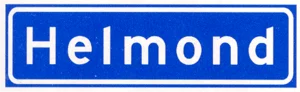
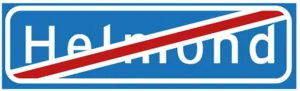
Road type designation
16 signs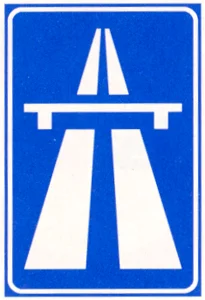 G1 Motorway
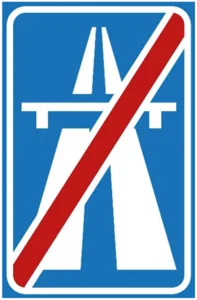 G2 End of motorway
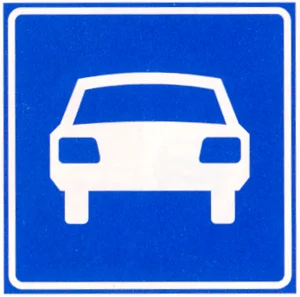 G3 Expressway
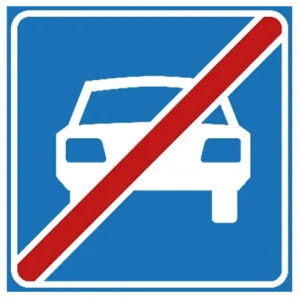 G4 End of expressway
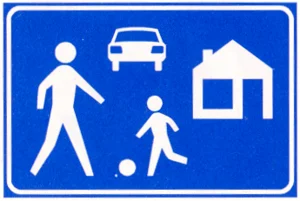 G5 Residential zone
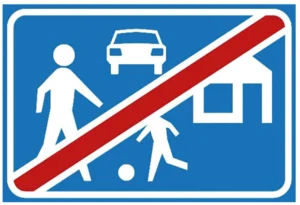 G6 End of residential zone
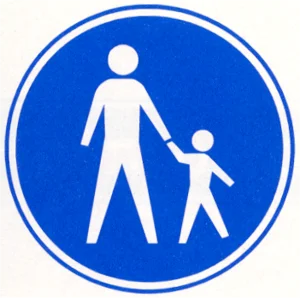 G7 Footpath
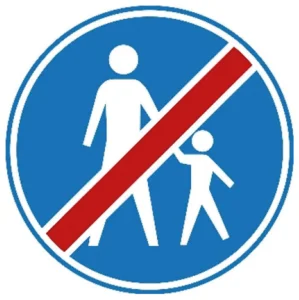 G8 End of footpath
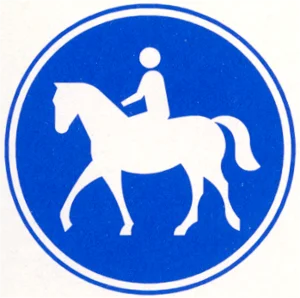 G9 Bridle path
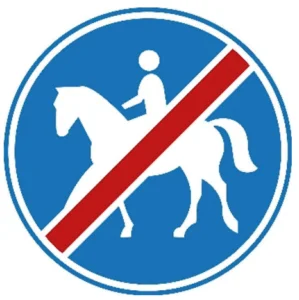 G10 End of bridle path
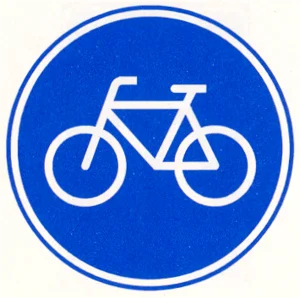 G11 Mandatory cycle path
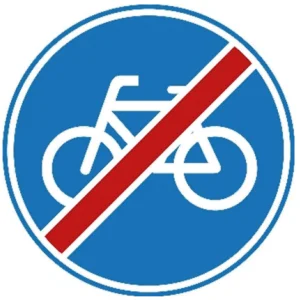 G12 End of mandatory cycle path
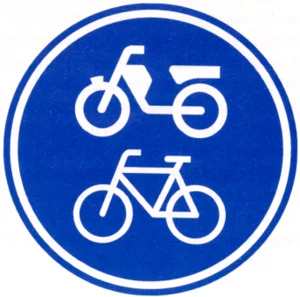 G12a Cycle/moped path
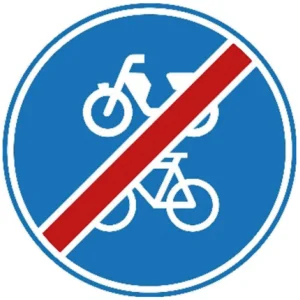 G12b End of cycle/moped path
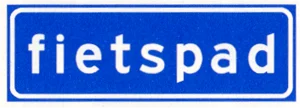 G13 Optional cycle path
 G14 End of optional cycle path