Emergency vehicles, trams, military convoys, funeral processions and large vehicles, and who waits during special manoeuvres such as turning around and reversing.
You always let emergency vehicles with flashing lights and sirens go first, just like a tram at an equal junction. And when you make a special manoeuvre, such as turning around, reversing or pulling away, you let all other traffic go first.
Here you learn which vehicles have their own priority rules and who waits during a special manoeuvre. Each part has its own explanation page.
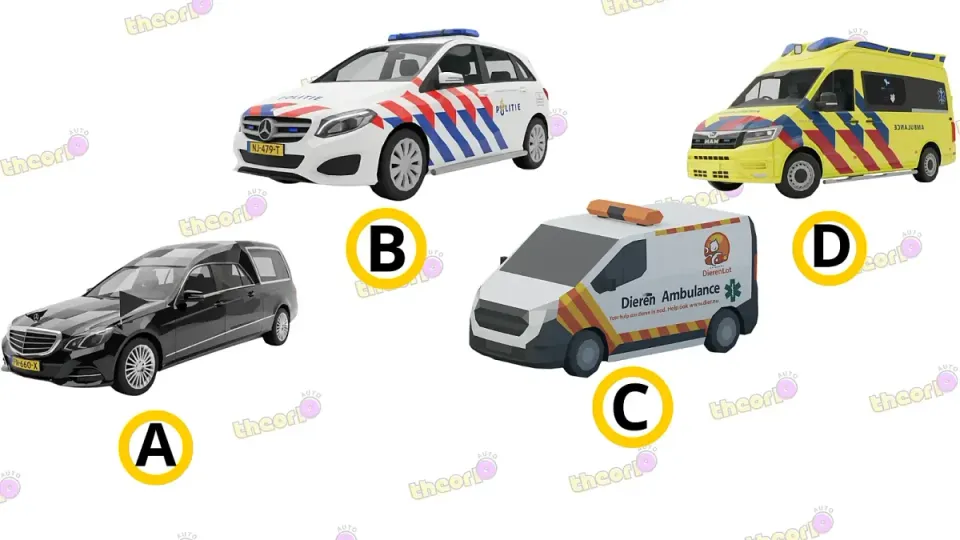
Priority vehicles: an emergency service with a blue flashing light and a siren. Let it go first and make room safely, but do not run a red light or use the bus lane.
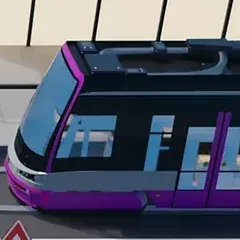
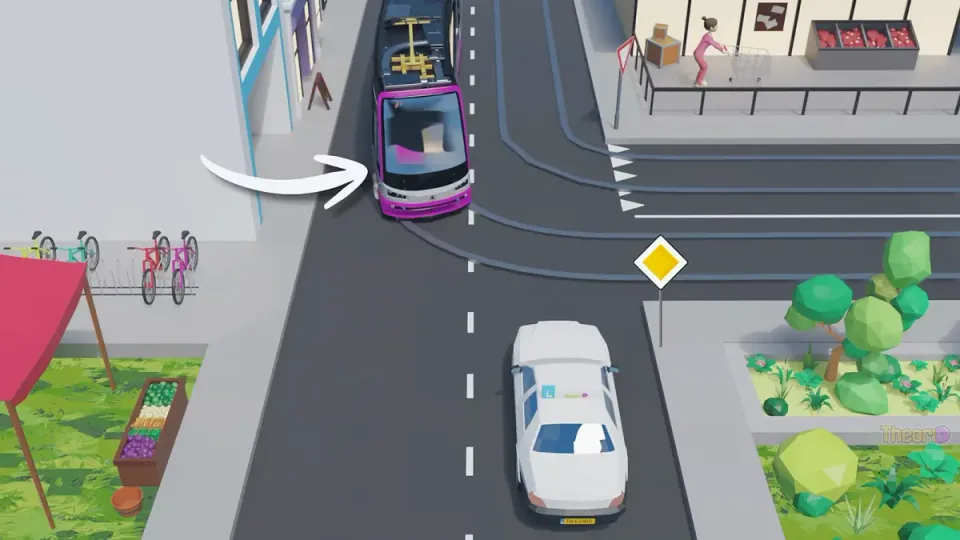
Priority rules for trams: at an equal junction a tram goes first even from the left, and a turning tram goes before straight-on traffic. It waits at give-way markings (haaientanden) and zebra crossings.
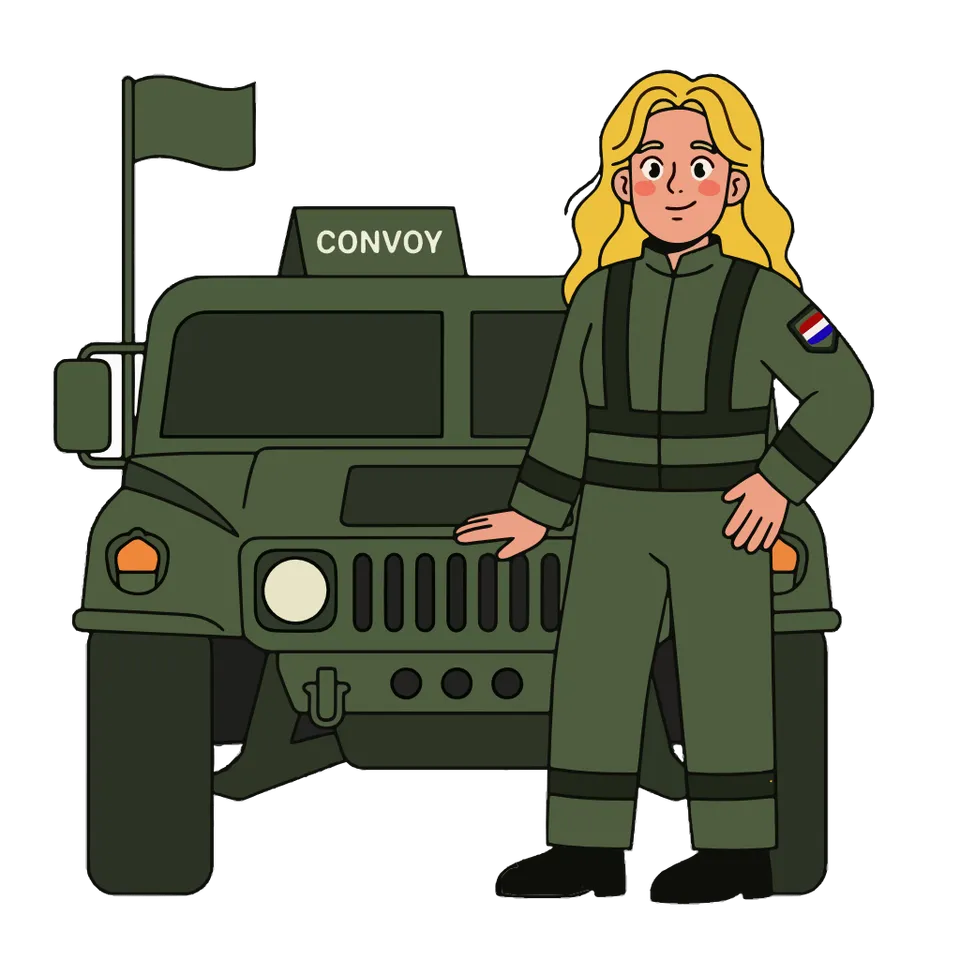
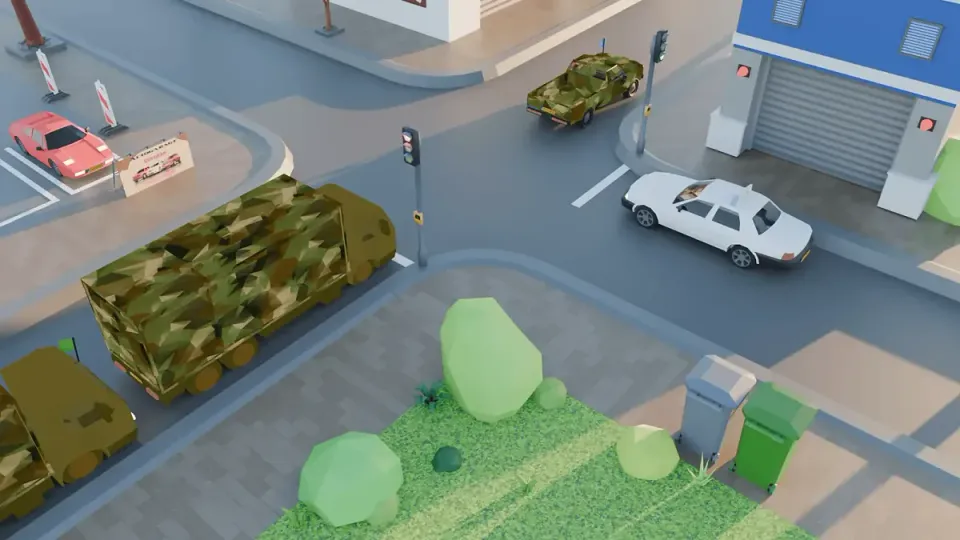
Military convoys: a blue flag on the first vehicle, a green flag on the last. You may not cut through a convoy. If the first vehicle passed on green, the rest may continue through red.
Large vehicles: lorries and buses have large blind spots, so stay behind a lorry that is turning. In a built-up area (bebouwde kom) you let a bus pull away from a stop.
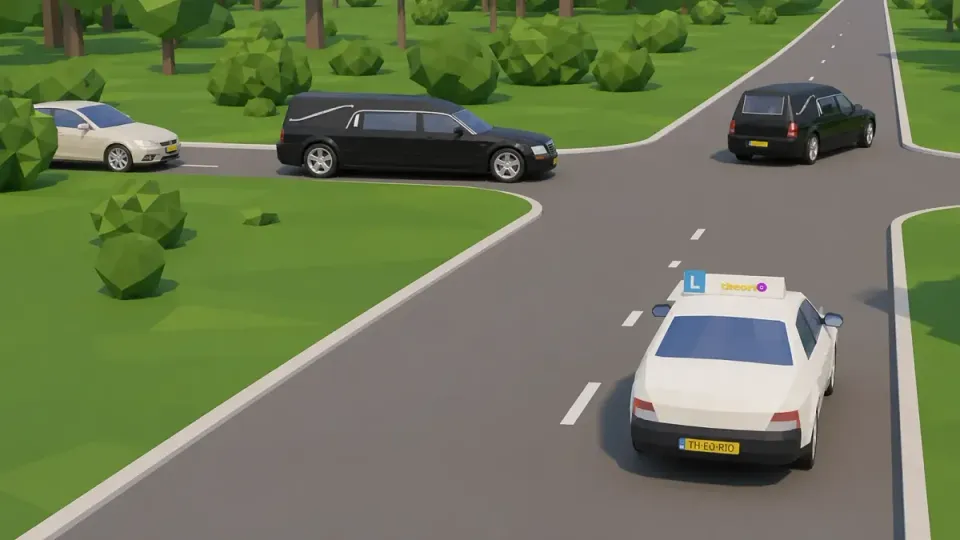
Funeral processions: every car has two funeral flags. You may not cut through the procession, but it gets no extra priority and simply stops at a red light.
Special manoeuvres: when pulling away, reversing, turning around, merging, leaving the motorway or changing lanes, you let all other traffic go first. You never turn around or reverse on an autosnelweg or autoweg.
Who counts as a road user, which warning signs belong to special road users, and when do trams, convoys and funeral processions go first?
The road includes drivers, pedestrians and vehicle groups with specific rules. Recognise their road position, signals and the exceptions that affect priority.
Driver, pedestrian or special vehicle rule?
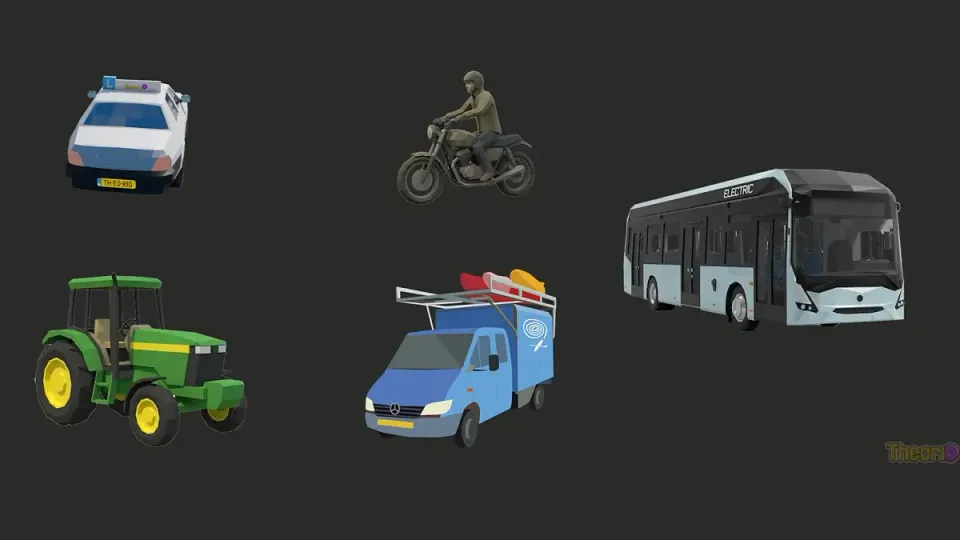
Cars, motorcycles, trucks, buses and tractors are motor vehicles. A slow vehicle can still belong to that category.
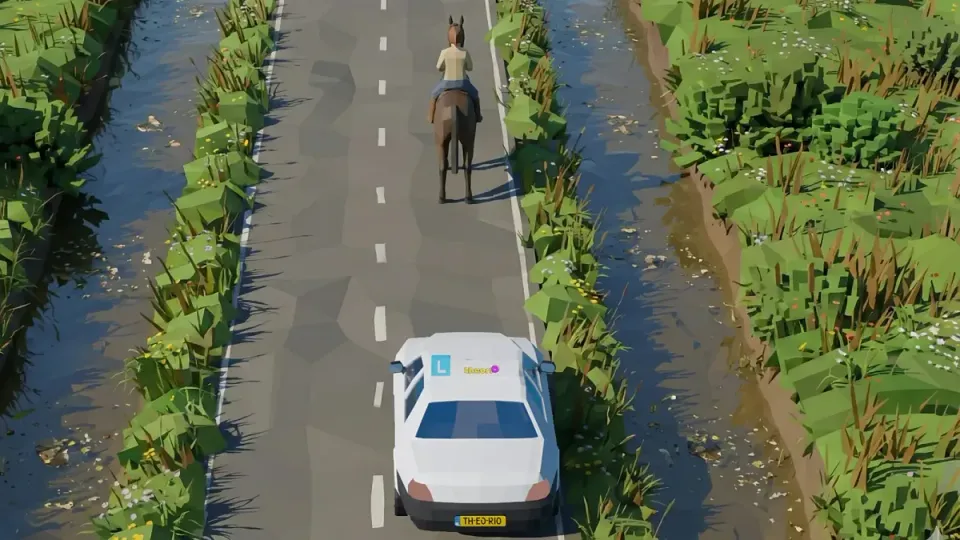
Everyone using the road is a road user. For priority and signs, distinguish drivers, pedestrians and vehicle rules. Someone cycling is a driver; someone walking with a bicycle is a pedestrian. Both a horse rider and a person leading a horse count as drivers.
Picture
Group
What should you remember?
Car, van, motorcycle, truck, bus and tractor
Motor vehicles; even a slow tractor remains a motor vehicle.
Bicycle and ordinary e-bike
Not motor vehicles under the RVV definition; riding them makes you a driver. Ordinary e-bike assistance stops at 25 km/h.
Light moped, moped and speed pedelec
Not motor vehicles in the RVV definition, but motorised and ridden by drivers. A speed pedelec follows moped rules.
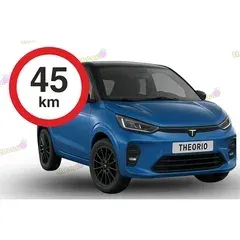
Microcar (brommobiel)
Legally a type of moped, but treated as a motor vehicle for many road rules. Uses the carriageway, at most 45 km/h.
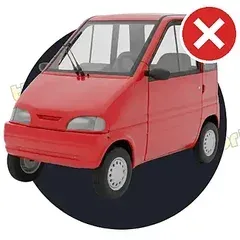
Mobility vehicle, such as a scooter or Canta
A separate category. Pedestrian rules on pavement or footpath; relevant driver rules elsewhere.
Tram
Not a motor vehicle in the RVV definition; runs on rails and has special priority rules.
Horse rider or person leading a horse
A driver, even without a motor.
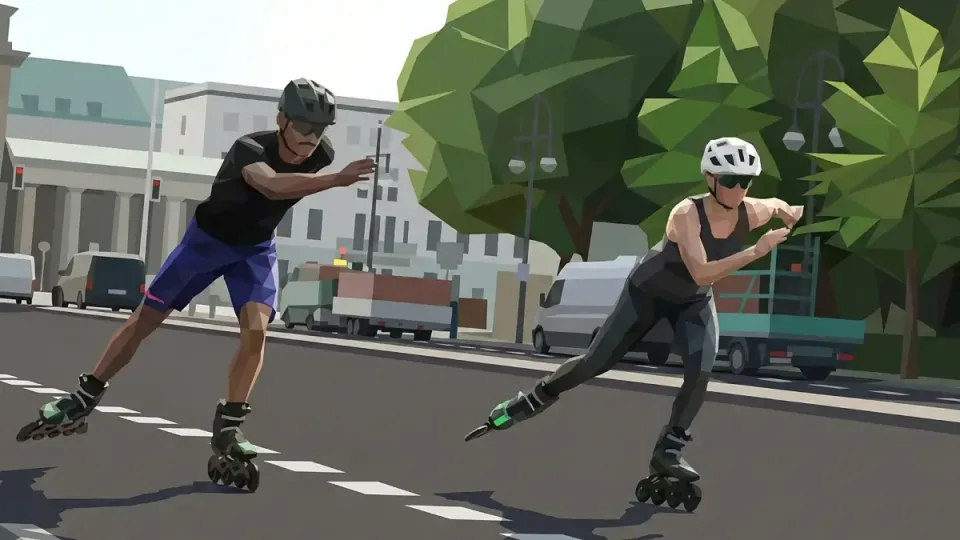
Walker, inline skater or person walking a bicycle
Pedestrian rules; approaching from the right alone gives no priority.
A microcar is not simply an ordinary car, but motor-vehicle traffic rules can apply to it at signs. Do not confuse the RVV term motorvoertuig with motorrijtuig in other legislation. More under mopeds, e-bikes and motorcycles.
Who uses carriageway, cycle path and cycle lane?
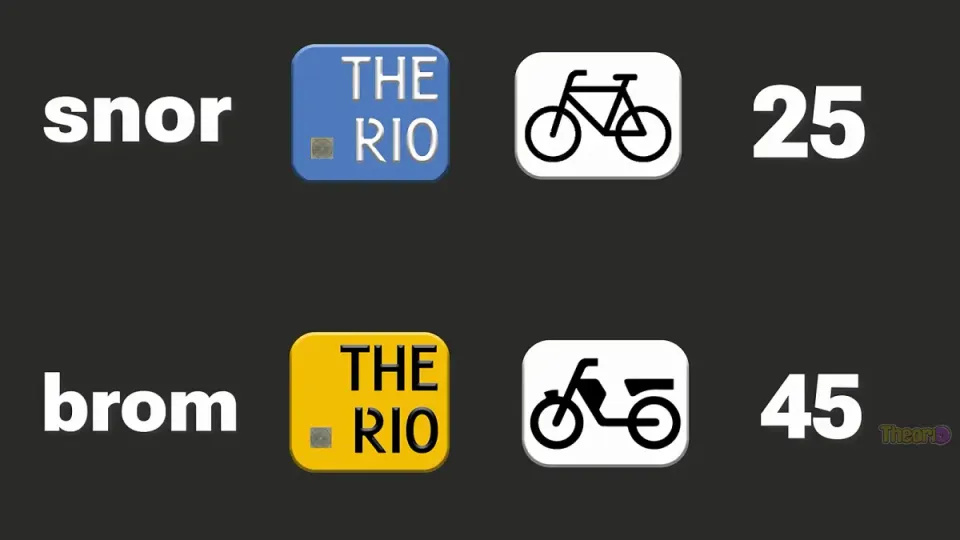
Blue plates identify light mopeds and yellow plates mopeds. Their usual places on the road differ.
A microcar uses the carriageway, also on ordinary roads outside built-up areas. A tractor normally uses the carriageway too, at most 40 km/h if its construction and the situation allow. Autoweg and motorway access conditions exclude these vehicles.
Sign or picture
Road area
Who uses it?
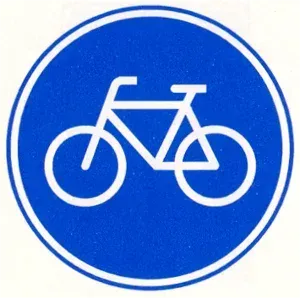
Mandatory cycle path G11
Cyclists and normally light mopeds use it. Check local exceptions, signs and supplementary plates.
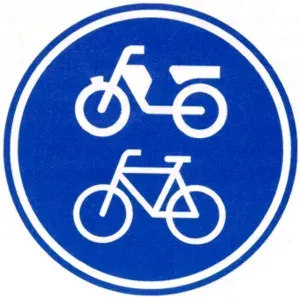
Cycle/moped path G12a
Cyclists, light mopeds and mopeds use it. Mopeds have different speed limits here from the carriageway.
Cycle lane marked with a bicycle symbol
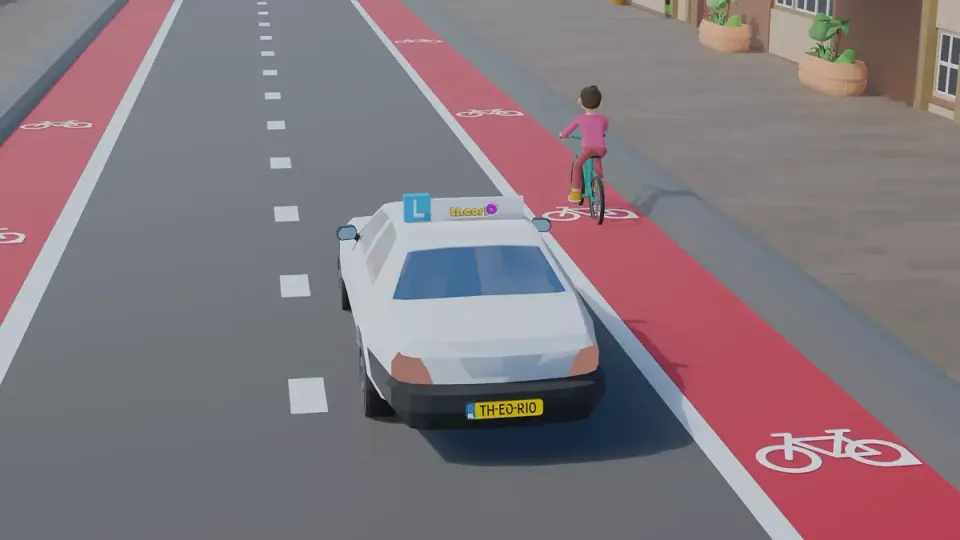
Part of the carriageway for cyclists and normally light mopeds. A moped normally uses the carriageway unless signs specify otherwise.
A moped or speed pedelec uses an applicable mandatory cycle/moped path; otherwise it uses the carriageway. For mopeds, the usual path limits are 30 km/h inside and 40 outside built-up areas, and 45 on the carriageway. An ordinary bicycle does not have a blanket 25 km/h limit simply because of its vehicle type.
From path to carriageway: anticipate the change
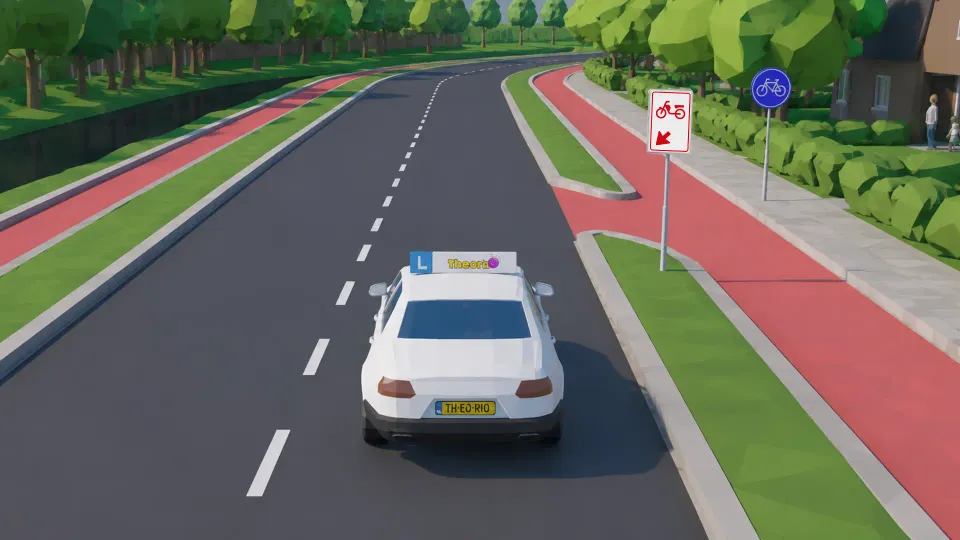
This sign directs mopeds and speed pedelecs from the path to the carriageway. Leave room and expect different speeds.
At route changes, mopeds and speed pedelecs can join the carriageway alongside you. Keep looking and make safe room; an indicator or sign is not permission to cut others off. Cyclists and light mopeds remain on their assigned path unless a local rule says otherwise.
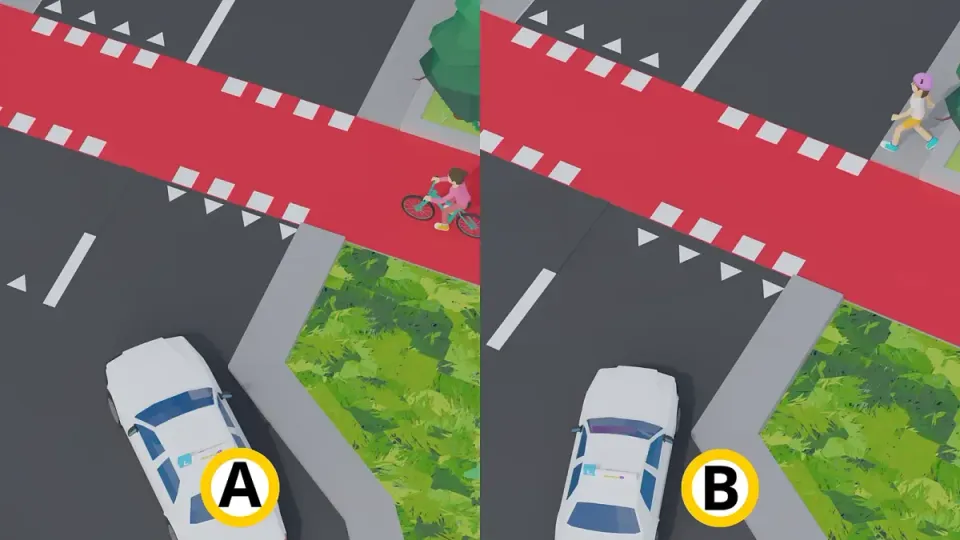
A cycle path can cross your route when entering and leaving a roundabout. Check routes and priority markings both times.
At roundabouts watch more than the cars on the circle. Check the path before entering and again before turning off; cyclists can also approach from the other direction.
Mobility vehicles and pedestrians on the road
A mobility vehicle has its own permitted places on the road. Do not confuse a Canta with a microcar.
A mobility vehicle may use the pavement, footpath, cycle path, cycle/moped path or carriageway. It need not wait for a cycle path to be absent before using the carriageway. On pavement and footpath its limit is 6 km/h; other speed rules depend on location. Autowegen and motorways are prohibited.
Pedestrians can be on the carriageway when the rules allow. Do not expect them only on a pavement.
Pedestrians normally use pavement or footpath. Without those, a cycle path may be used, and if that is absent too, the verge or outer edge of the carriageway. Inline skaters and similar small unpowered aids have particular choices for road position. You therefore cannot assume pedestrians never use the carriageway. Leave vulnerable road users room.
Warnings for cyclists and horse riders
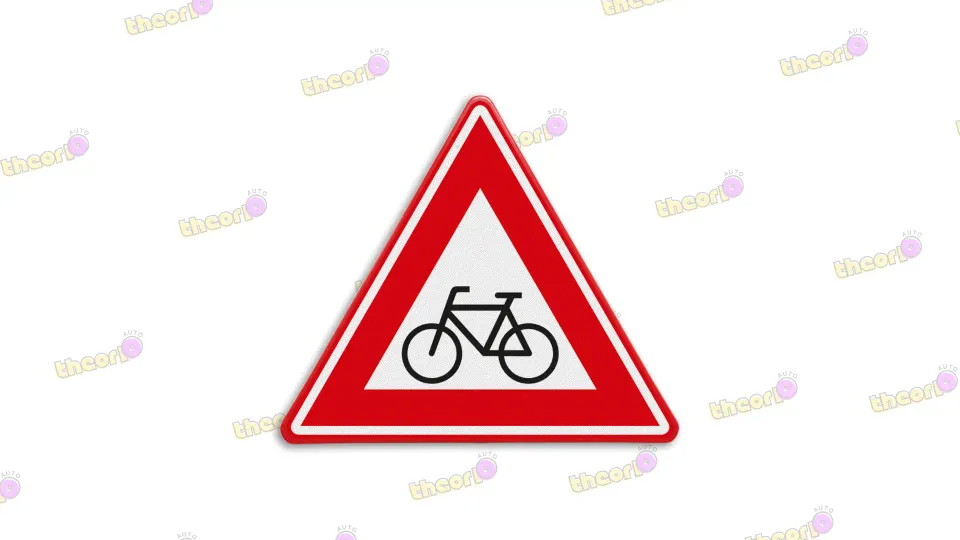
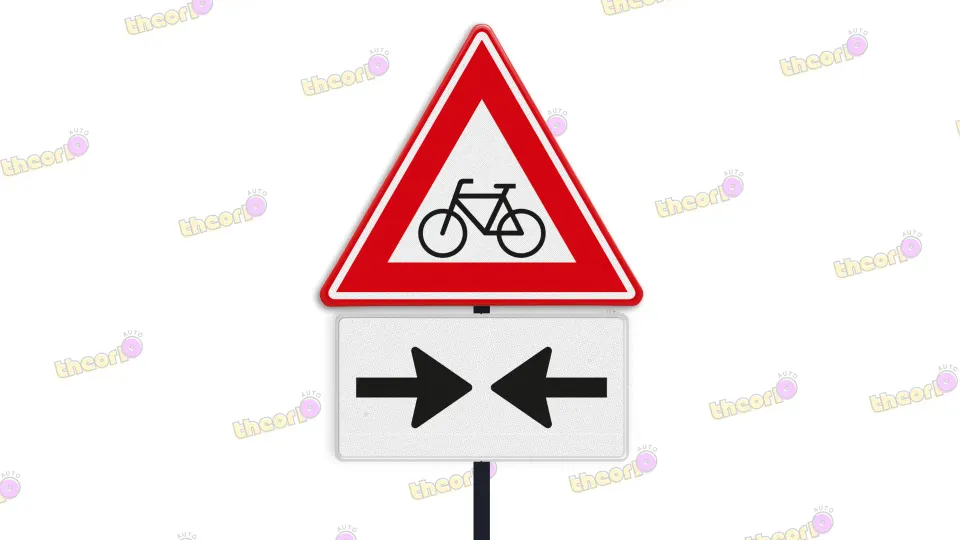
J24 warns of cyclists and moped riders. The red triangle warns of danger; it does not itself control priority.The supplementary warning shows traffic from both directions. Look left and right when crossing the path.
A bicycle warning sign does not assign a cycle path. It also warns about mopeds, unlike G11. A path can have two-way traffic without an extra warning plate. Width and centre markings can suggest this, but assess the whole layout and signs.
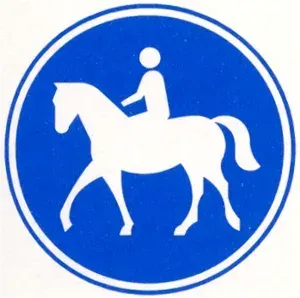
G9 requires horse riders to use the bridle path. It does not mean they never leave it or cross a road.
A general danger sign with a rider and direction plate can warn of crossing horses. Leave room and avoid startling them. A mandatory bridle path is no guarantee that a horse rider cannot cross.
Compare special traffic groups
Picture
Who approaches?
What decides your response?
Tram
Special equal-junction and turning rules; its own signs and lights still apply.
Military convoy
Do not cut through a convoy already passing. First vehicle passed green: actual convoy vehicles may follow.
Funeral procession
Do not cut through a marked procession already passing; every car stops at red.
Emergency priority vehicle
The proper combination of blue lights and siren gives special priority; make room safely.
These groups do not erase all ordinary traffic rules. Follow instructions and lights, check who has give-way markings and prevent danger. Choose the separate subtopic above for complete rules and examples.
Short answers to common questions about Special Manoeuvres & Vehicles.
When do you have to give way to a pedestrian?
Let pedestrians go first when they are crossing or clearly about to cross a zebra crossing, or continuing straight along the same road while you turn. At a driveway, let all other traffic go first. People who are blind and carry a white cane with one or more red bands, and people with difficulty walking, are protected beyond zebra crossings too. Check applicable signals and instructions; military convoys and recognised funeral processions have a specific exception to the ordinary zebra-crossing rule.
Keep practicing with up-to-date material
You have now learned the basics of priority, pedestrians and special road users. Because priority often depends on signs, road markings, behaviour and exceptional situations, you train in our app with up-to-date CBR scenarios to quickly see who really has priority.
Ready to practise?
Test your knowledge of Special Manoeuvres & Vehicles with 75 practice questions in the app.