The shape and colour of a traffic sign directly determine its meaning in the CBR exam.
Symbol
Shape & Colour
Category
Meaning
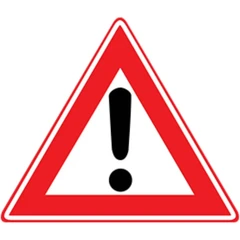
Triangle + Red border
Warning
Danger further ahead. Adjust your speed.
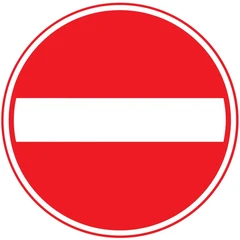
Round + Red border
Prohibition
This is strictly forbidden.
Round blue
Mandatory
You are required to do this.
Square blue
Information
Situation permitted or special road.
Hierarchy of Traffic Signals
In traffic, always follow the legal hierarchy of traffic signs and instructions.
1. Instructions: The police and traffic controllers come above everything else.
2. Traffic lights: Light signals and matrix signs come above traffic signs.
3. Traffic signs & symbols: They organise traffic at that location.
What is a Mandatory sign?
Mandatory signs are round blue traffic signs that impose a required action or direction of travel.
If you see a round blue sign, you must follow the indicated rule as required.
Features of Mandatory signs
Shape: Always round.
Colour: Blue background with a white symbol.
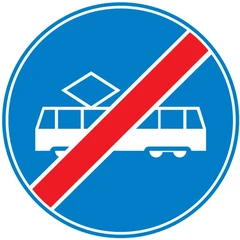
End of the obligation: Indicated by a slanted red or black line through the sign.
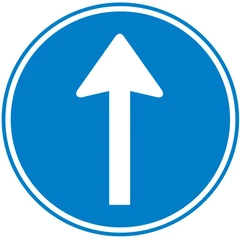
Round blue with arrows: mandatory direction of travel
Square signs are friendly, triangular signs say "watch out", and round signs are the strict signs. If you see a round blue sign with white arrows, that means: mandatory direction of travel. You must follow the direction of the arrows and you may not go any other way.
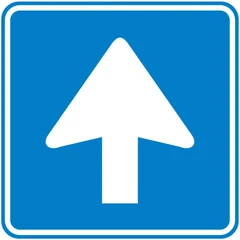
This sign means something different from the square one-way sign. With the round sign, you can expect oncoming traffic. A mandatory direction of travel is simply a road with traffic in two directions.
Memory aid: a round sign looks like the letter "O" — Oncoming traffic can come from everywhere. So you must expect vehicles from all directions.
On the left the round sign D4: mandatory direction of travel straight ahead, oncoming traffic possible. On the right the square sign C3: one-way street, no oncoming traffic.
Arrows pointing diagonally to the bottom right
There are also signs with an arrow pointing diagonally to the bottom right. They are not accidentally tilted: they indicate something different from the arrows that tell you which way you must go.
If you follow such a road, you may drive in both directions, but there is a lane in the middle that separates the two directions. You must stay to the right of that lane.
The diagonal arrow means: drive to the right of the middle lane, not that you have to turn off in that direction.
Common Mandatory signs in the CBR exam
Sign D4 (Mandatory direction of travel straight ahead): You must drive straight ahead as required.
Sign D5 (Mandatory direction of travel to the right): You are required to turn right.
Sign D6 (Straight ahead or right): Mandatory direction of travel straight ahead or right.
Sign D1 (Roundabout): Mandatory direction of travel on the roundabout circuit.
Sign G11 (Mandatory cycle path): Cyclists and snorfiets riders must ride here.
Sign G7 (Mandatory footpath): Only accessible for pedestrians.
Sign G12 (Mandatory bridle path): Riders must use this path.
CBR trap
❌ Wrong: reading a round blue sign with an arrow as "one-way street, so no oncoming traffic".
✅ Correct: round blue = mandatory direction of travel. Oncoming traffic is actually possible. Square blue = one-way street.
❌ Wrong: thinking that every round blue sign is a mandatory sign and every round sign with red is a prohibition sign, without looking at the symbol.
✅ Correct: the shape says "round, so strict", the colour says whether it is a mandatory sign (blue) or a prohibition sign (red).
❌ Wrong: regarding a blue sign with a slanted line as a prohibition.
✅ Correct: a slanted line through a blue mandatory sign means end of the obligation, not that it is forbidden now.
Prohibition signs are round traffic signs with a red border that prohibit a specific action.
The image on the sign shows exactly what is prohibited on the road.
Round sign: colour determines mandatory or prohibition
It gets just a little more complicated here. A round sign can have two functions — a mandatory sign or a prohibition sign. The difference is in the colour:
Blue = mandatory. For example, following a specific direction. A blue sign with a red slanted line indicates the end of that obligation.
Red = prohibited. Round signs with a red border indicate a prohibition: entry prohibition, parking prohibition, overtaking prohibition. Red means something is not allowed, just like a red traffic light.
Blue = mandatory · Red = prohibited
The same subject, three signs
Prohibition
Mandatory
End
Forbidden for pedestrians. Pedestrians are not allowed here.
Footpath. Pedestrians must follow this path.
End of the obligation. The slanted line cancels the mandatory rule.
Validity of Prohibition signs
The prohibition applies from the sign up to the next junction.
A sign 'End of prohibition' removes the restriction.
End of the rules: the "adios" sign
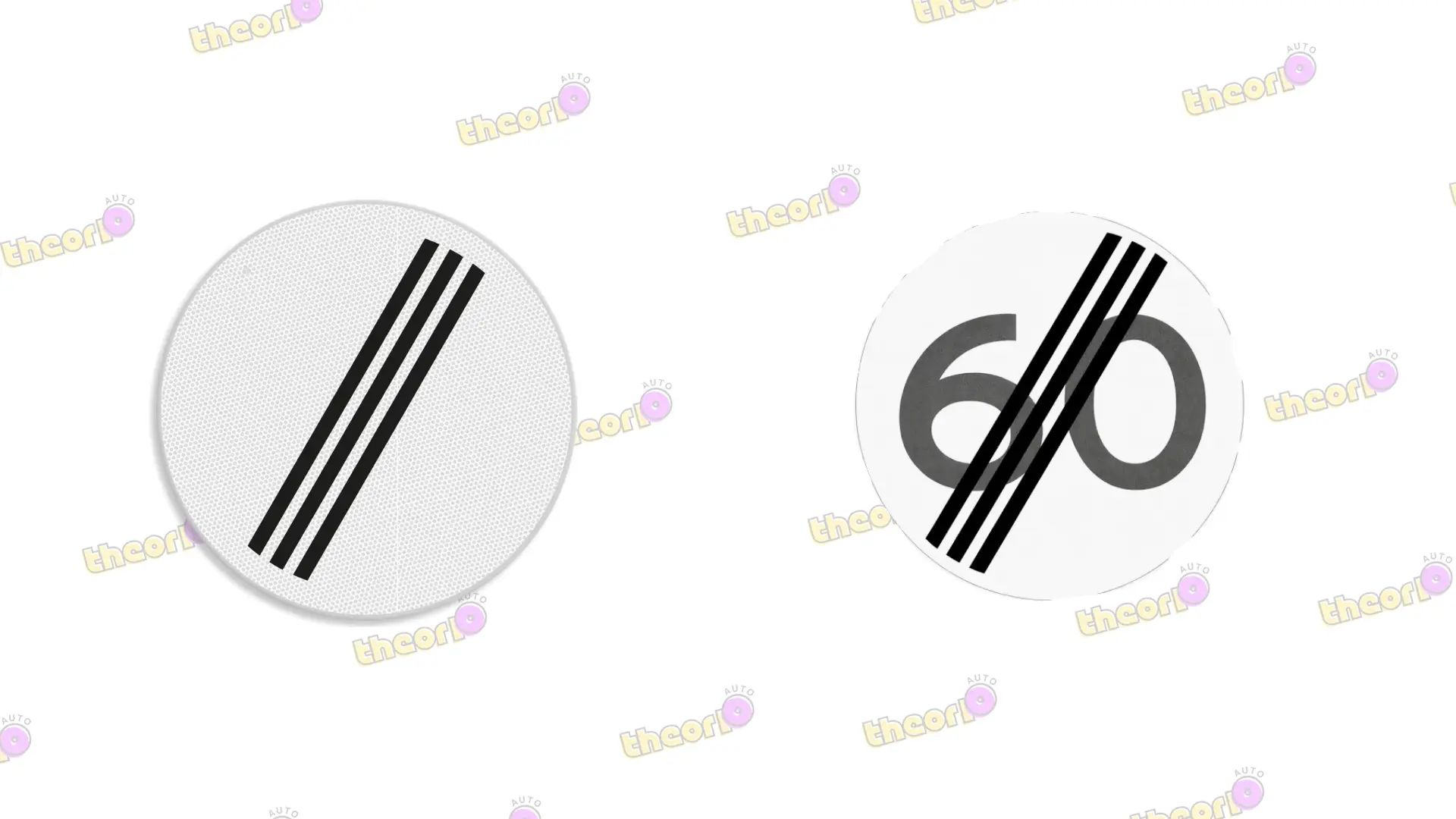
You now know what the signs mean — but how do you know when those rules no longer apply? The end of the validity of earlier traffic signs is indicated with a white sign with three black diagonal stripes.
It looks like the Adidas logo. This is how you remember it: with this sign you say "adios" to those traffic sign rules.
Pay attention to what this sign does not mean. If you come across it, it does not suddenly mean that there are no rules at all. The standard rules for the road remain in force; only the rules from earlier traffic signs expire.
If the black stripes run through a speed indication, then it is not the end of all signs, but only the end of the maximum speed.
Left: end of all previously indicated prohibitions. Right: stripes through a speed sign — only that maximum speed ends.
Important Prohibition signs for the CBR
Sign C2 (Entry prohibition): Closed to all drivers from this side.
Sign C16 (Closed to pedestrians): Access is prohibited for pedestrians.
Sign F1 (Overtaking prohibition): Prohibited for motor vehicles to overtake each other.
Sign F7 (U-turn prohibition): Prohibited to make a U-turn on this road.
Sign E1 (Parking prohibition): Parking is prohibited. Immediate in- and out-driving or loading is allowed.
Sign E2 (Stopping prohibition): Both stopping and parking are prohibited here.
Sign C1: Closed to all traffic in both directions.
Sign C7: Closed to lorries.
The yellow diamond-shaped sign: priority road
A yellow diamond-shaped sign with a white border indicates that you are driving on a priority road. You then have priority over the side roads.
Remember: this sign looks a bit like an egg. You can drive through it calmly, even if there is traffic coming from the right.
If stripes run through the sign, the priority road is ended. From that point, priority depends again on the normal priority rules and on the traffic situation at that location.
Left: priority road. Right: end of priority road — from here the normal priority rules apply again.
CBR trap
❌ Wrong: at the "adios" sign, thinking that no rules apply at all anymore.
✅ Correct: only the previously indicated sign rules expire. The standard road rules remain in force.
❌ Wrong: reading stripes through a speed sign as "end of all prohibitions".
✅ Correct: if there is a speed on it, only that maximum speed ends.
❌ Wrong: letting a prohibition apply until the next sign.
✅ Correct: a prohibition applies from the sign up to the next junction, or up to a sign 'End of prohibition'.
Sub-signs are rectangular signs under a main sign that show extra explanation, exceptions or validity.
They clarify or limit the rule of the traffic sign above.
This sign means an entry prohibition. The sub-sign creates an exception here: cyclists, snorfiets riders and bromfiets riders may continue.
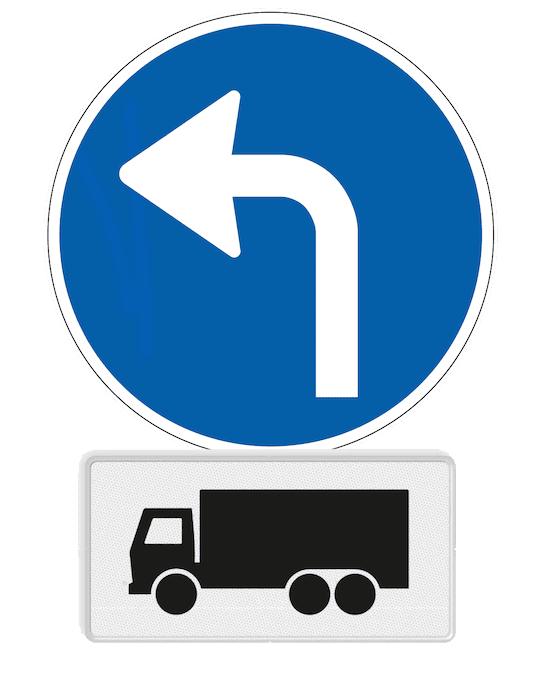
This sign indicates a mandatory direction of travel to the left. However, the sub-sign states that this obligation only applies to lorries; other vehicles may therefore turn left.
Rule for reading Sub-signs
Always read sign combinations from top to bottom.
The top sign gives the main rule, the sub-sign gives the nuance. See the two examples above
Difference between Distance and Length on Sub-signs
Indication
Symbol / Image
Meaning
Length of zone
The prohibition, danger or speed applies over a length of 1.5 km.
Distance to the start
The prohibition or danger starts only after 500 metres.
Short answers to common questions about Traffic Signs, Signals & Directions.
What is the difference between sign C3 (one-way street) and sign D4 (mandatory direction)?
Sign C3 is square blue indicating a one-way street with no oncoming traffic. Sign D4 is round blue compelling you to follow a direction where oncoming traffic may exist.
How do you read a traffic sign with a supplementary plate for the CBR exam?
Always read sign combinations from top to bottom. The top sign gives the main rule, while the supplementary plate clarifies any exception or validity.
How do you recognize a warning sign?
A warning sign is always triangular with a red border pointing upwards. It warns of upcoming danger on the road.
What is the difference between a mandatory sign and a prohibitory sign?
A mandatory sign is round blue and enforces an action. A prohibitory sign is round with a red border and indicates what is strictly forbidden.
Keep practicing with up-to-date material
You now know the most important types and meanings of traffic signs, signals and directions. The CBR can combine signs with exceptions, sub-signs and temporary situations, so learn in our app with the most up-to-date CBR information how to apply each sign quickly and safely.
Ready to practise?
Test your knowledge of Traffic Signs, Signals & Directions with 90 practice questions in the app.

 Indicated by a slanted red or black line through the sign.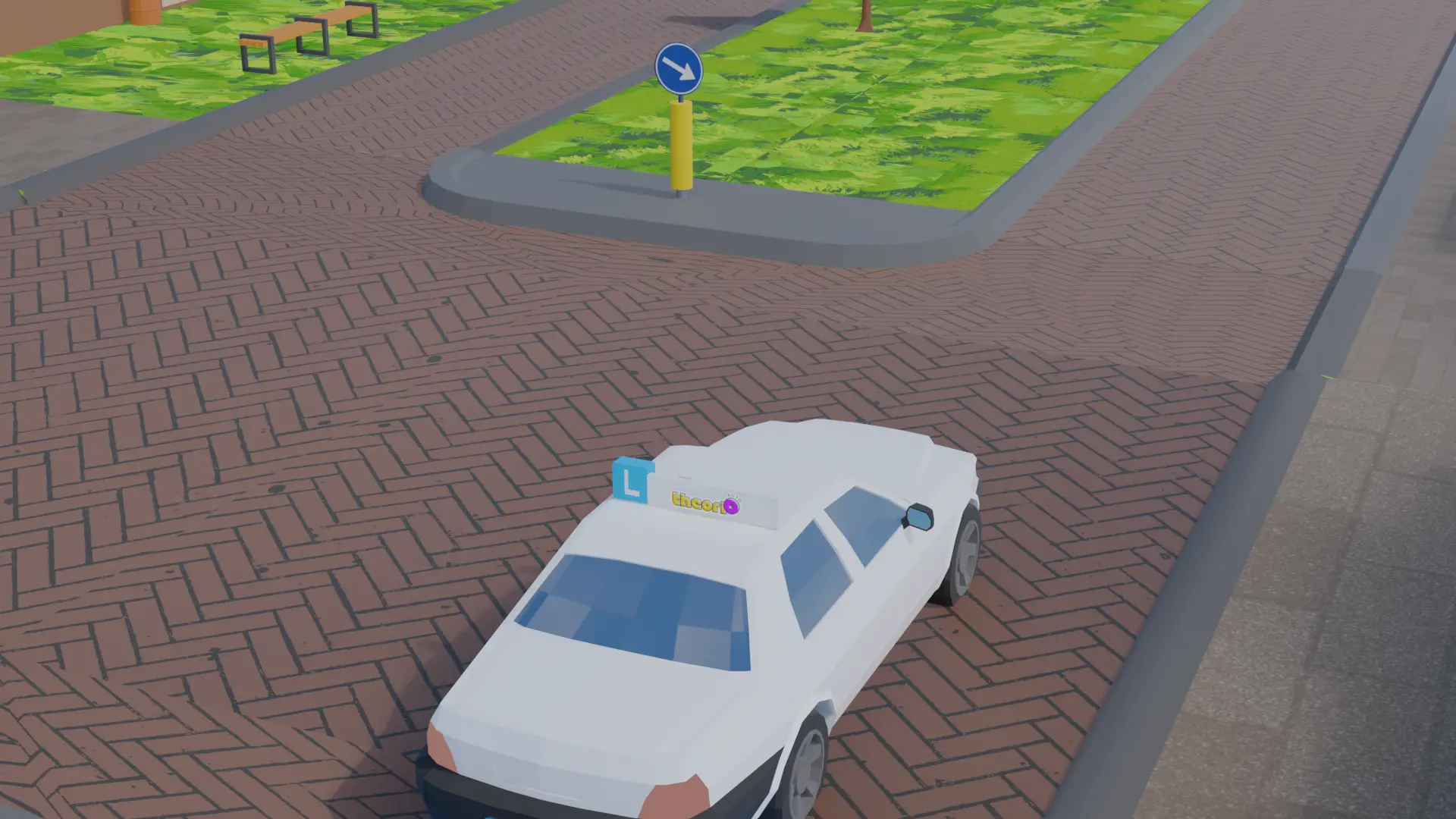
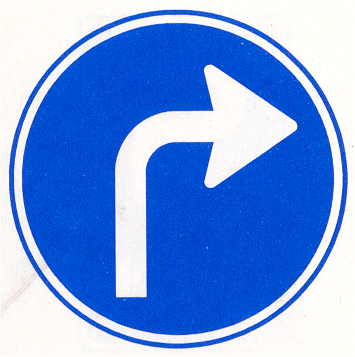 Sign D5 (Mandatory direction of travel to the right): You are required to turn right.
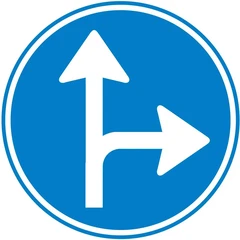 Sign D6 (Straight ahead or right): Mandatory direction of travel straight ahead or right.
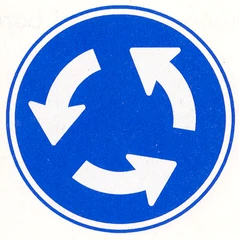 Sign D1 (Roundabout): Mandatory direction of travel on the roundabout circuit.
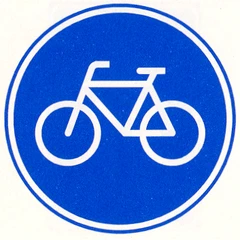 Sign G11 (Mandatory cycle path): Cyclists and snorfiets riders must ride here.
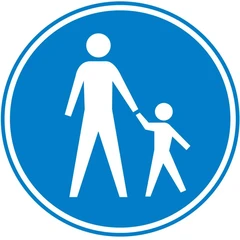 Sign G7 (Mandatory footpath): Only accessible for pedestrians.
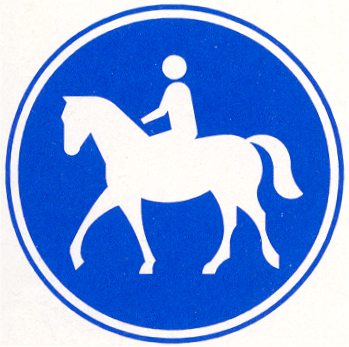 Sign G12 (Mandatory bridle path): Riders must use this path.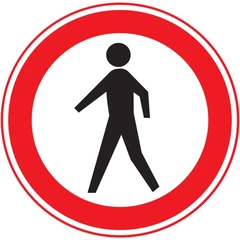
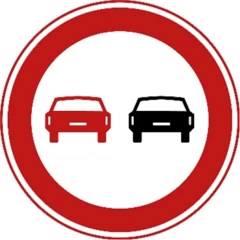 Sign F1 (Overtaking prohibition): Prohibited for motor vehicles to overtake each other.
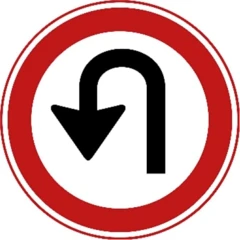 Sign F7 (U-turn prohibition): Prohibited to make a U-turn on this road.
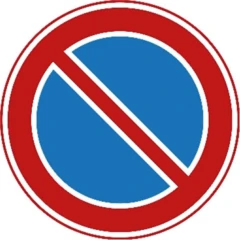 Sign E1 (Parking prohibition): Parking is prohibited. Immediate in- and out-driving or loading is allowed.
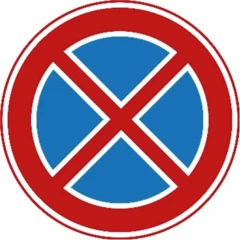 Sign E2 (Stopping prohibition): Both stopping and parking are prohibited here.
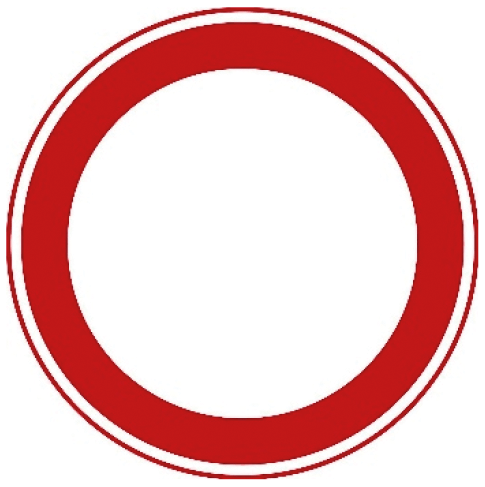 Sign C1: Closed to all traffic in both directions.
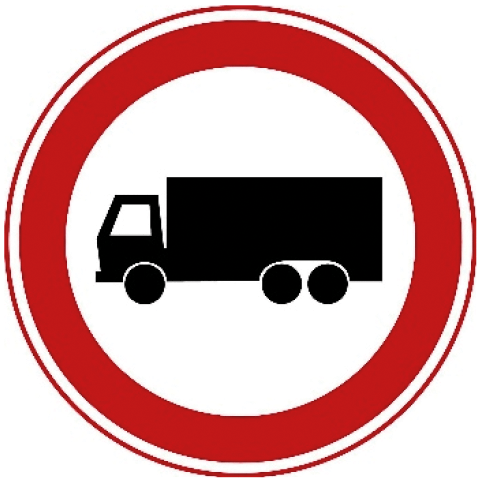 Sign C7: Closed to lorries.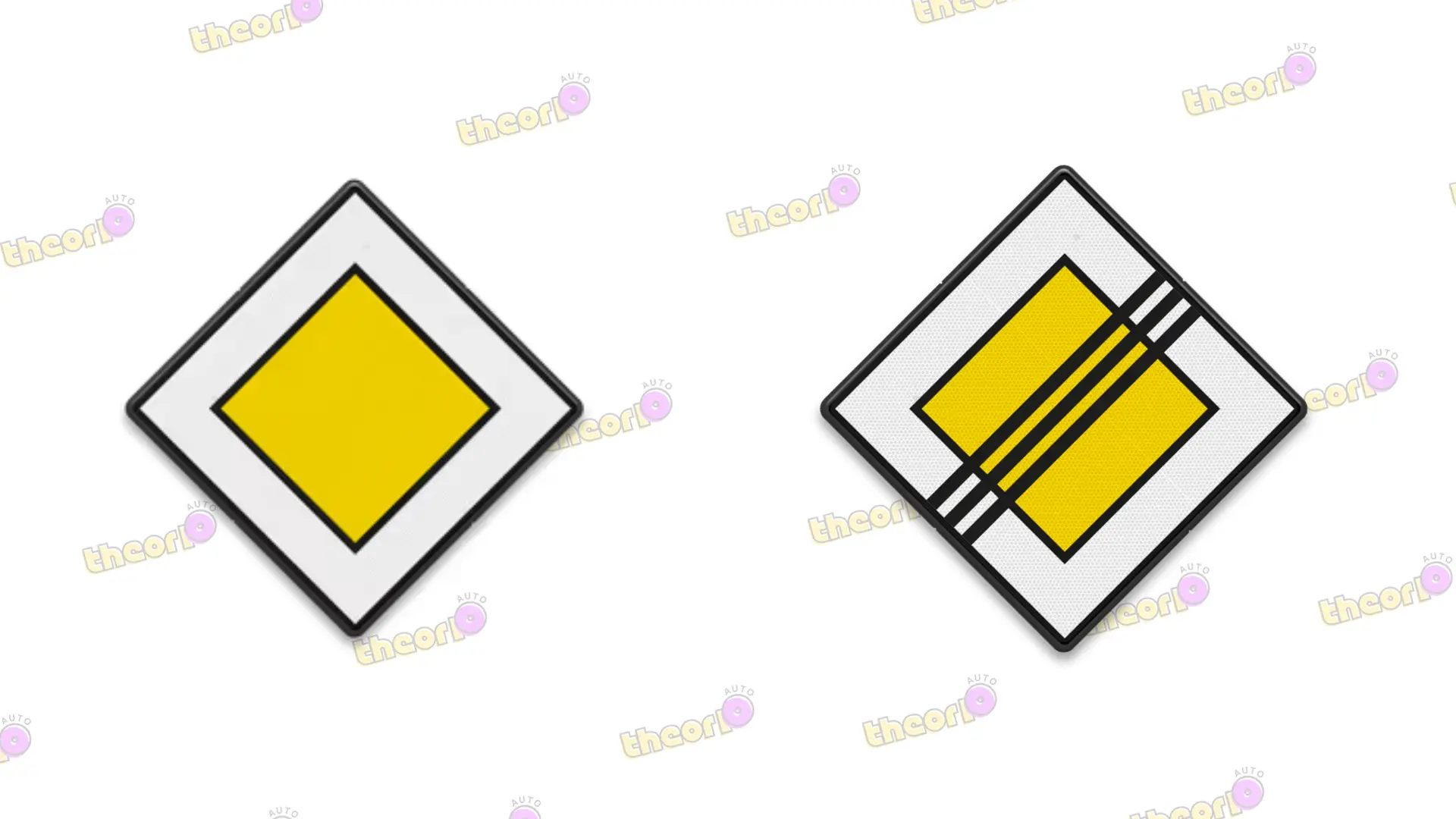
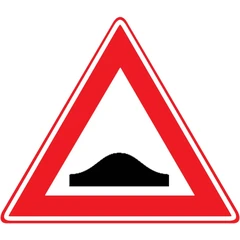 Sign J38 (Speed bump): Warns of an approaching bump.
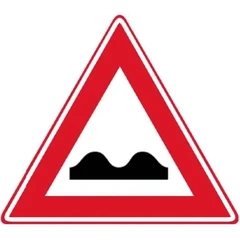 Sign J1 (Poor road surface): Danger from potholes and rutting.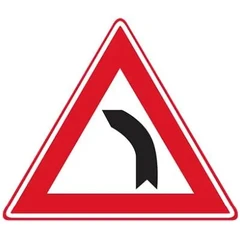
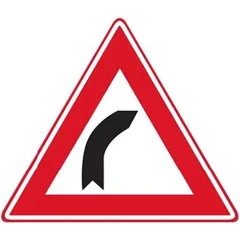 Sign J2 & J3 (Right/left bend): Dangerous bend approaching.
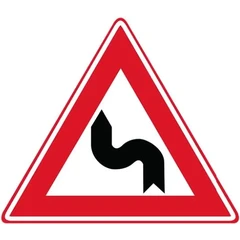 Sign J4 (S-bend): Double bend, first to the right or to the left.
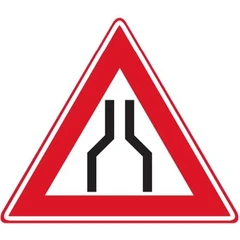 Sign J17 (Road narrowing): The carriageway becomes narrower on both sides.
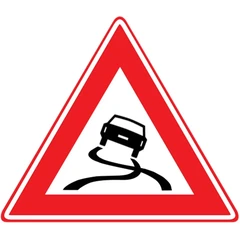 Sign J20 (Skidding danger): Danger from a slippery road surface.
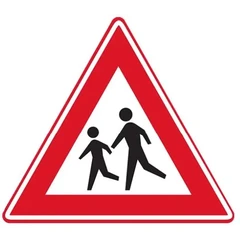 Sign J21 (Children): Warning for crossing children near schools or play areas.
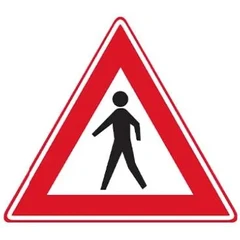 Sign J23 (Pedestrians): Pedestrians on or near the carriageway.
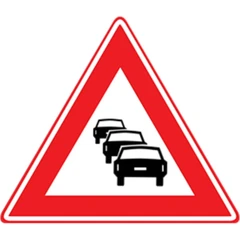 Sign J33 (Traffic jam building up): Warning for stationary or slow-moving traffic.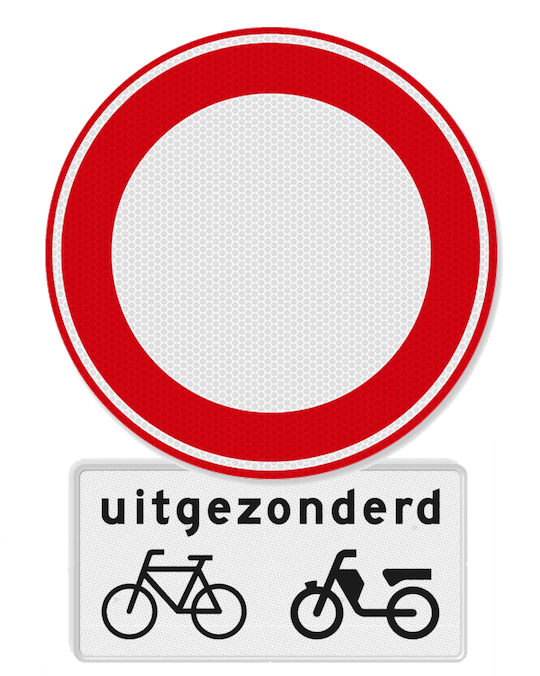


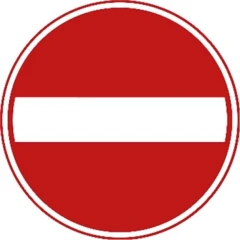 Sign C2 (Entry prohibition): Placed at the exit of a one-way street. Entering is prohibited.