Learn the rules for parking, stopping and special manoeuvres such as turning around and reverse. Practise this CBR topic for free with real theory exam questions.
Parking and stopping seem simple, but there are many rules. Special manoeuvres also require attention to prevent mistakes.
Parking, stopping & special manoeuvres at a glance
Parking and stopping: the difference
Stopping is a short stop to let people get in or out, or to load and unload. Parking is a longer stop, for example to make a call or to set up the navigation.
Forbidden places and signs
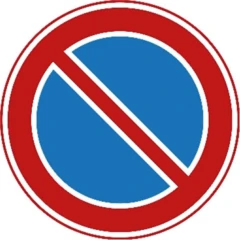
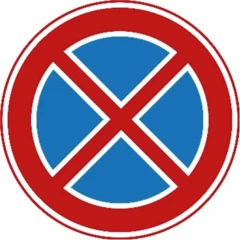
A parking ban is indicated by a blue sign with a red border and a diagonal red stripe. You may not park here, but you may wait. A stopping ban has the same sign with a red 'X'. You may not wait or park here.
Parking in special places
Parking spaces are often marked with lines or coloured paving stones. Park neatly within the lines. Parking spaces may be reserved for certain vehicles, such as lorries or disabled people. Pay attention to the signs.
Parking outside the built-up area and on motorways and autowegen
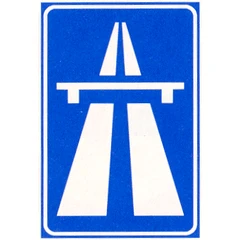
Outside the built-up area you may park anywhere that is not forbidden. On a priority road outside the built-up area, parking on the carriageway is forbidden. On motorways and autowegen you may only stop in emergencies, for example on the hard shoulder or in a rest area.
Special manoeuvres
Reverse, getting in and out of traffic lanes, turning around, getting in and out, parking and driving away are special manoeuvres. If you perform one, you must let all other traffic go first, including pedestrians.
In CBR questions, getting in and out is usually waiting: you only stop for as long as it is necessary to let someone get in or out.
If you do something else, such as using your phone or setting your navigation, then it is no longer waiting but parking. That difference often determines whether it is allowed or not.
Key rule for the exam: it is not the duration that determines whether you are stopping or parking, but the reason. Letting someone get in or out immediately is stopping. Everything else is parking, even if it only takes ten seconds.
Stopping or parking?
Stopping is stopping to let someone get in or out immediately, or to load and unload immediately.
Parking is everything that does not fall under that: making a call, setting your navigation, waiting for someone, or staying longer than is necessary for getting in and out.
Where stopping is forbidden, parking is forbidden too. Not the other way around: where only parking is forbidden, you may still let someone get out.
Forced or voluntary
If you are stopping because you have to, for example for a traffic light or to give way, then that is forced stopping. This does not count as stopping in the sense of these rules, and certainly not as parking. Voluntary stopping is something you do by choice: letting someone get in or out, or loading and unloading.
Getting in and out safely
Getting in and out is one of the six special manoeuvres. In doing so, you let all other traffic go first, including on a parking lot. What that means further is explained in the section about special manoeuvres.
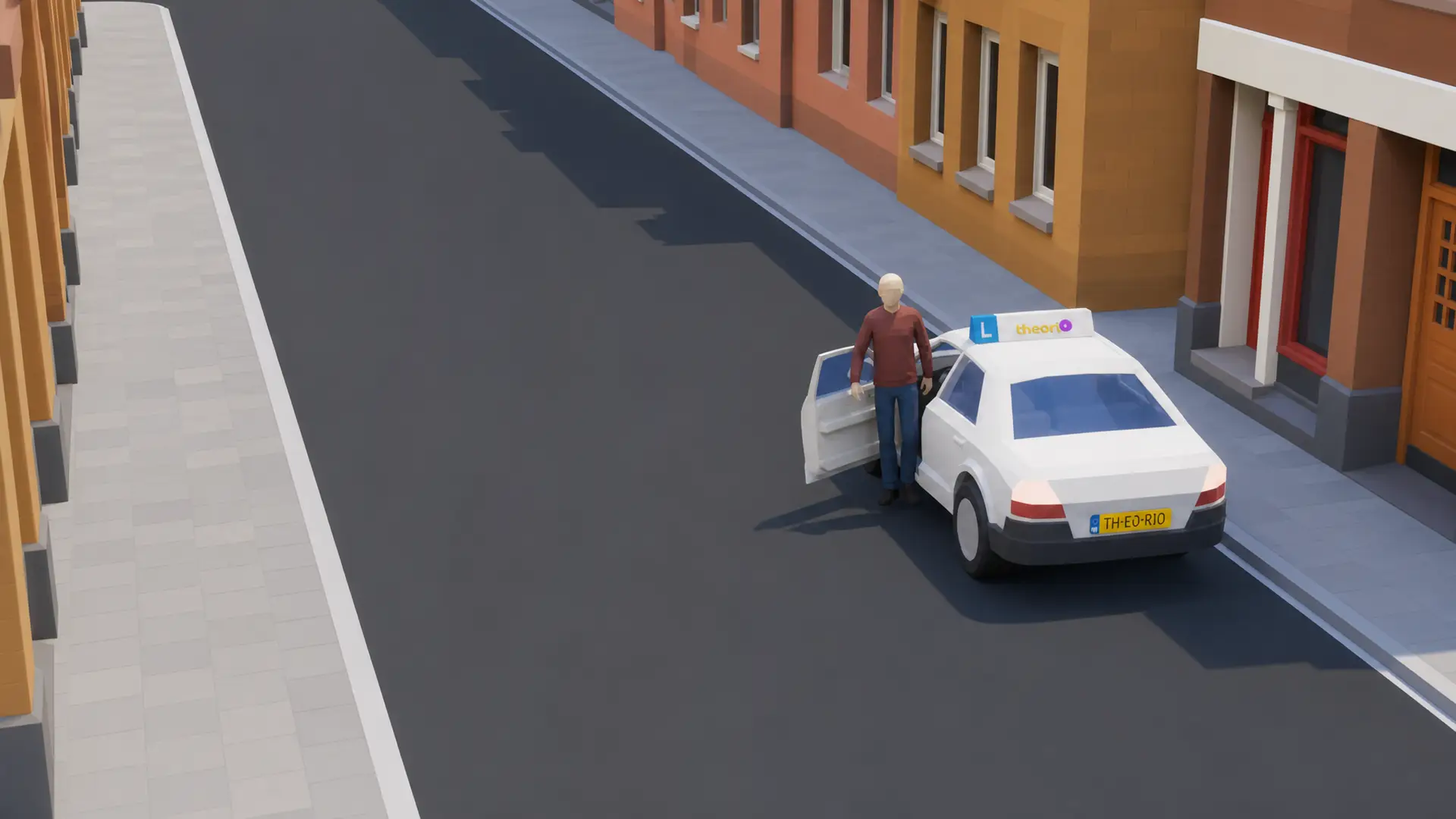
Look before you open the door to see whether a pedestrian or cyclist is coming along beside the car. Otherwise you may bump the door against someone.
If you get out on the side of the carriageway, also watch for oncoming traffic and traffic coming from behind.
Look over your shoulder before opening: the door is the most common cause of a collision with a cyclist.
CBR trap
Students see that a car is only stopping briefly and then automatically choose stopping. The CBR does not look at the clock, but at the reason. Stopping briefly to make a call or to type in an address is parking, even if you drive away again within twenty seconds.
You've covered Parking: getting in and out. Does it stick?
Loading and unloading is important in the theory exam because it usually falls under stopping and not parking. That means it is sometimes still allowed in places where parking is forbidden.
You must mainly be able to recognise when you are really only busy with loading and unloading, and when, according to the CBR, it is still simply parking.
Key rule for the exam: loading and unloading is stopping. That is why it may still be allowed at a parking ban, but not at a stopping ban or next to a continuous yellow line.
What counts as loading and unloading?
You are loading or unloading as long as you take goods directly into or out of the car and bring them directly to the destination. As soon as you start doing something else, or you stay longer than is necessary for that, you are parking.
What you do
Stopping or parking?
Unloading boxes and bringing them straight inside
Stopping
Letting someone get in or out
Stopping
Waiting for the shop to open so you can unload
Parking
Picking up your phone or setting your navigation
Parking
Whether you may stand there with that outcome is determined by the sign or the kerb edge. These are explained in the section about parking signs.
Two places with their own rule
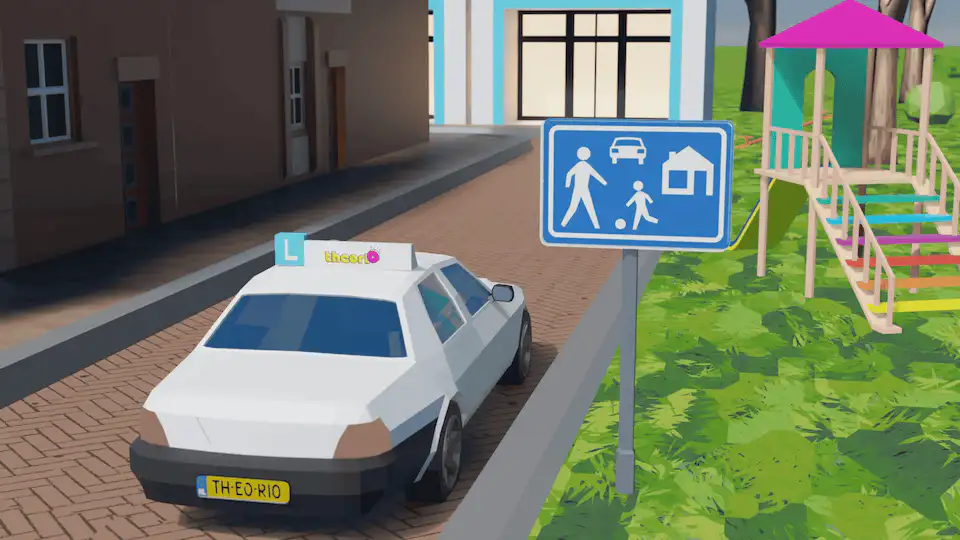
On an erf you may only park in the marked bays, but loading and unloading is allowed there too, even outside a bay.
At a bus stop you may only let people get in and out. Loading and unloading is not allowed there, even if it is otherwise just stopping. How much distance you must keep from a stop is explained in the section about stopping.
CBR trap
Many students think that if parking is forbidden, then loading and unloading is also not allowed. That is incorrect: with one red stripe you may load and unload. Only with a red cross and with a continuous yellow line is it not allowed.
You've covered Parking: loading and unloading. Does it stick?
In principle, you may park anywhere that is not forbidden. So the exam question is rarely whether parking is allowed, but rather exactly where: on the carriageway, in a bay or in the verge.
Pay attention to places with their own rule: the erf, the priority road outside the built-up area and the autosnelweg.
Key rule for the exam: you may park where it is not forbidden, both inside and outside the built-up area. In the verge it is always allowed. There is one place where parking is forbidden without a sign: on the carriageway of a priority road outside the built-up area.
Where may you put your car?
On the carriageway, everywhere where it is not forbidden.
In a parking bay.Park neatly within the lines, so you do not occupy two spaces at the same time.
In the verge. You may always stop and park there, even if there is a prohibition sign along the carriageway. The same applies to a parking bay next to such a sign: why that is the case is explained under the signs.
Car with a trailer
A normal parking bay is usually too short for a car with a trailer. Then uncouple the trailer and park it in its own bay.
Suggestion lane
A suggestion lane is the lane separated from the side of the carriageway by broken lines. It is not a cycle lane and not a separate carriageway lane, but a suggestion. You may drive over it, stop there and even park there.
Places with their own rule
Erf
On an erf you may only park in the bays designated for that purpose. Stopping to let someone get in or out or to load and unload is allowed there too, even outside a bay.
If you see this sign, you look for a bay. Parking outside a bay is not allowed on an erf, no matter how quiet it is.
Outside the built-up area
Outside the built-up area you may also park where it is not forbidden. There is one exception that the CBR particularly asks about:
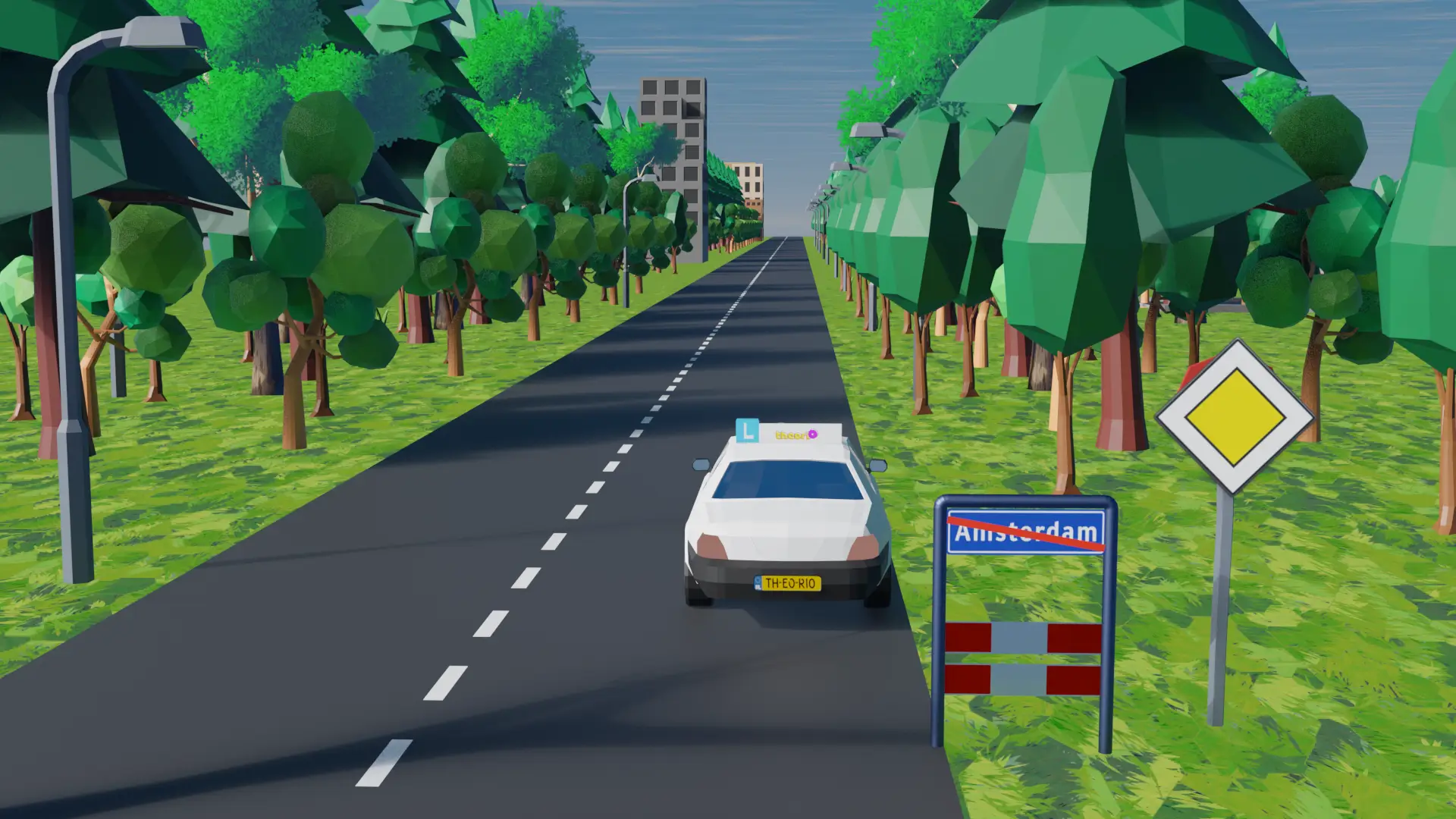
Outside the built-up area + priority road + on the carriageway = no parking.
Stopping on the carriageway is allowed there, and parking in the verge is allowed too. This combination only applies outside the built-up area; inside the built-up area, a priority road is not a reason not to park.
You may not park on the carriageway of this priority road; you may in the verge next to it.
Autosnelweg and autoweg
On these you may not park and you may not stop, except in an emergency. These rules are grouped together in the section about stopping.
Example situations like in the CBR
Situation 1
You are outside the built-up area on the carriageway of a priority road and you let a passenger get out. This is allowed. The ban applies only to parking; stopping on the carriageway is simply permitted.
Situation 2
A parking ban sign is next to the carriageway. Next to the road there is a clearly marked parking bay. You may park in the bay. The sign applies only to the carriageway.
Situation 3
You drive onto an erf and park the car half on the paving stones next to a bay, because the bays are full. This is not allowed. On an erf you park in a bay or you do not park there.
You've covered Parking: parking. Does it stick?
Two signs determine almost every parking question in the exam: the parking ban with a red stripe and the stopping ban with a red cross. One stripe only forbids parking, a cross forbids everything.
Sometimes the same two rules are not on a sign but on the kerb edge, in yellow.
Key rule for the exam: count the red stripes. One diagonal stripe only forbids parking; two stripes in a cross forbid everything. Sometimes the same two rules are not on a sign but in yellow on the kerb edge.
The two signs
E1 — parking ban. On the side of the road where this sign is placed, you may not park. Stopping is allowed here: letting someone get in or out and loading and unloading are permitted.
E2 — stopping ban. Here nothing is allowed: not parking and not stopping. No letting a passenger get out, no unloading a box. If you see an X, then nothing is allowed.
The word ZONE above
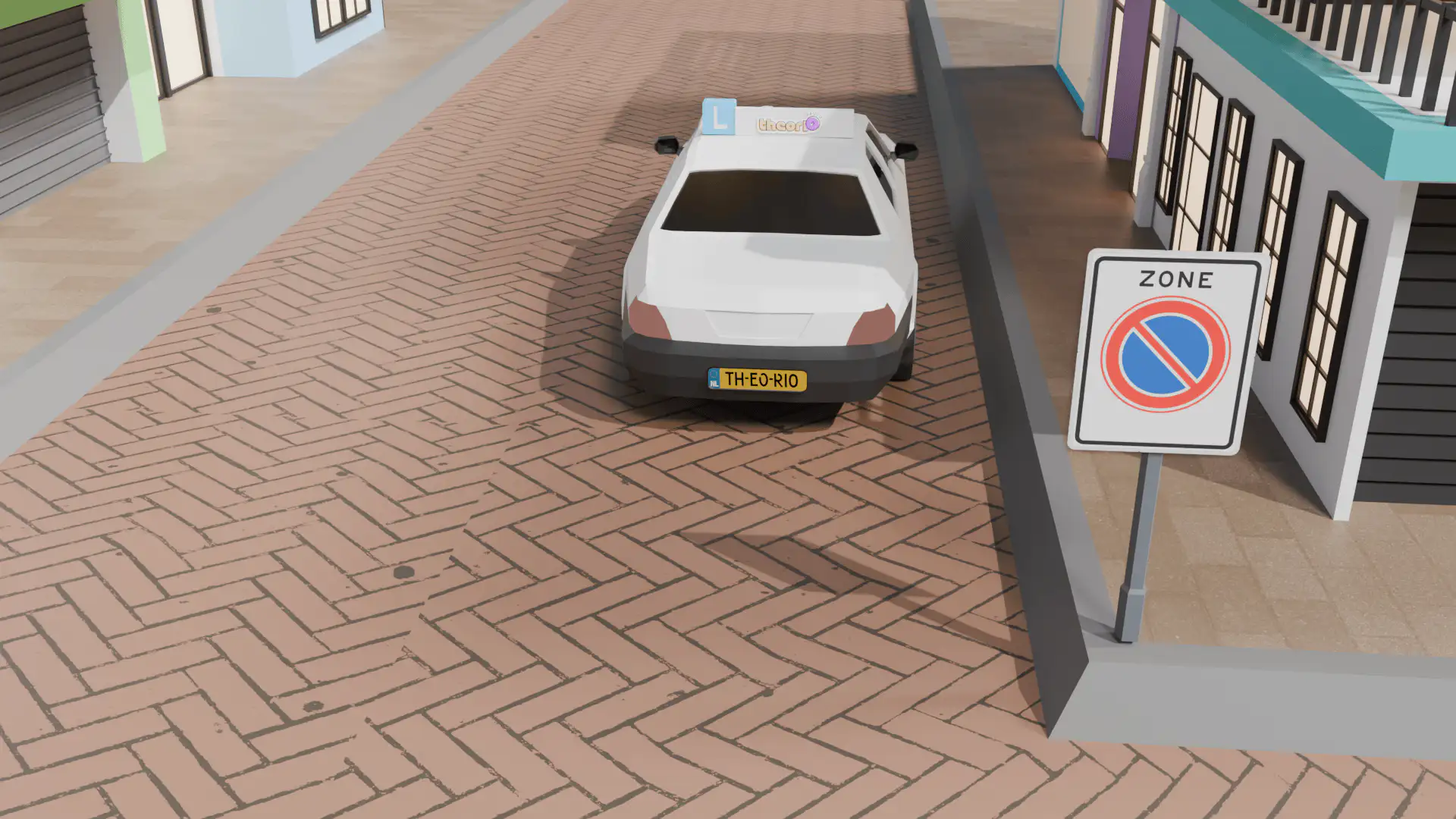
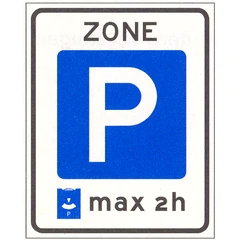
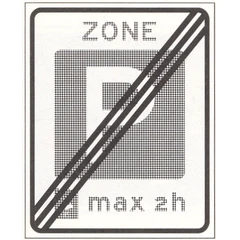
If ZONE is written above the prohibition sign, then the ban does not only apply on that side of the road, but throughout the entire area and on both sides. The ban continues until you come across the sign with "end of zone".
Without ZONE, the ban applies on one side of the road; with ZONE it applies throughout the area.
Next to a parking bay
If such a prohibition sign is next to a marked parking bay, then the ban applies only to the carriageway. In the bay you may simply park.
The yellow kerb edge
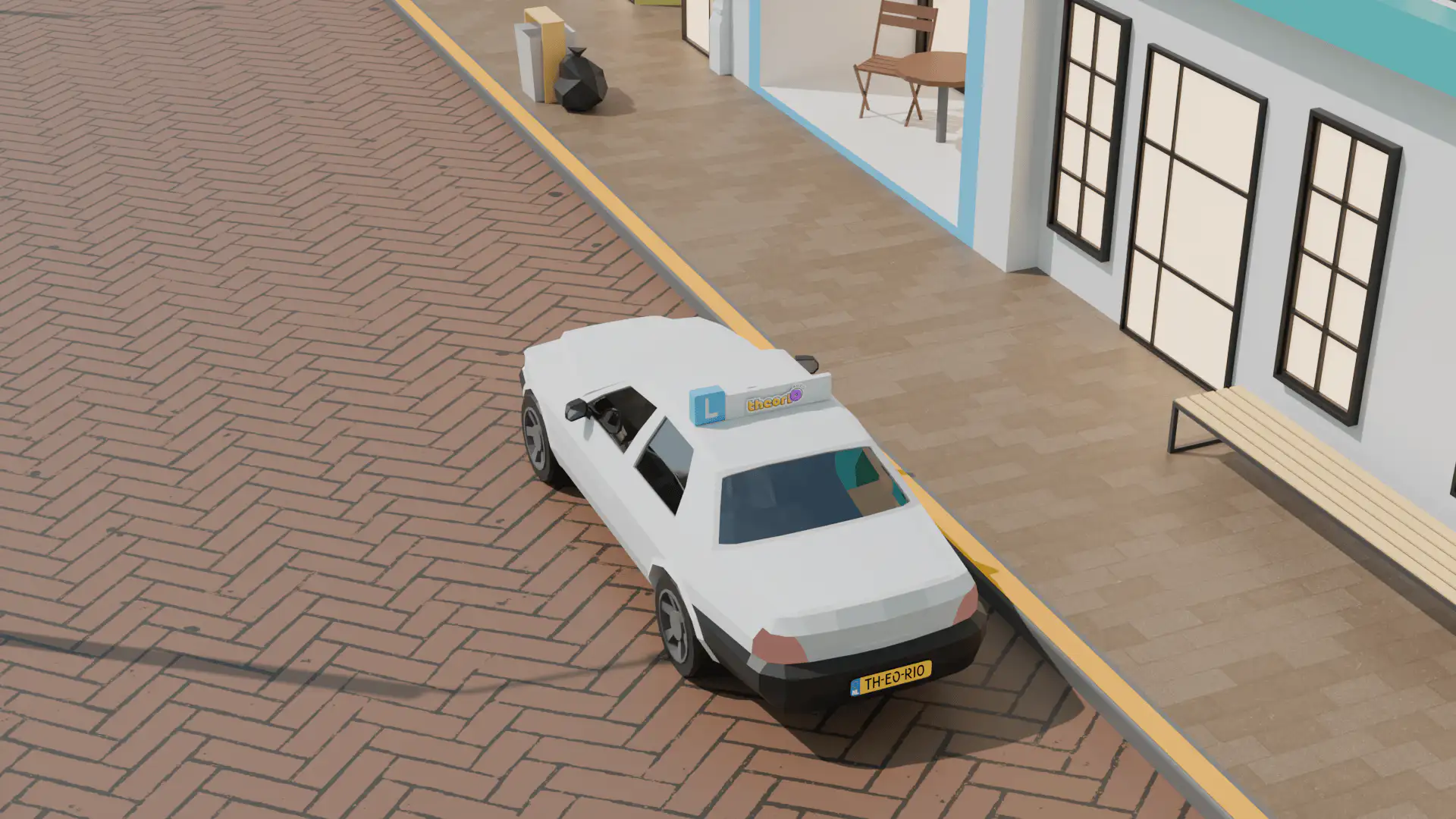
A parking ban or stopping ban is not always on a sign. Sometimes the kerb edge (the pavement edge) is painted yellow, and then the same two rules apply.
Broken yellow stripe — works like the parking ban sign: no parking, but stopping is allowed.
Continuous yellow stripe — works like the stopping ban: no stopping and therefore also no parking.
Memory aid: continuous stripe = drive on.
Broken yellow: getting out is allowed. Continuous yellow: no stopping.
What is allowed where: the overview
What you see
Parking
Stopping
Sign E1, parking ban
No
Yes
Sign E2, stopping ban
No
No
Broken yellow stripe
No
Yes
Continuous yellow stripe
No
No
Parking bay next to a prohibition sign
Yes
Yes
Verge next to a prohibition sign
Yes
Yes
Erf, outside a bay
No
Yes
You read the shape and colour of a sign in the same way as all other signs: round with red is a prohibition, square gives information, and a sub-sign is read together with the sign above it. This is explained in the topic Traffic signs, Signals & Directions.
You've covered Parking: signs. Does it stick?
Stopping is allowed both inside and outside the built-up area everywhere where it is not forbidden. Still, there are places where you may not stop without a sign.
For the CBR, you must know those places by heart: the carriageway itself, the cycle lane, the zebra crossing, the bus stop and the snelweg.
Key rule for the exam: stopping is allowed both inside and outside the built-up area everywhere where it is not forbidden. But in a handful of places it is forbidden without a sign, and you must know those by heart.
Not on the carriageway itself
Stopping in the middle of the carriageway is not allowed: you then block the traffic behind you.
If there is a cycle lane next to your lane, then you may use it to get into position, but you may not stop on it. Stopping next to the cycle lane is also not allowed, because then you are stopping in the middle of the carriageway.
The same applies to a tram track and a bus lane.
Keep your distance
Zebra crossing, junction and corner: 5 metres
If you are stopped near a zebra crossing, you keep at least 5 metres distance, so the crossing remains clear and pedestrians are visible. The same 5 metres applies at a junction and at a corner.
Keep five metres clear at a zebra crossing, a junction and a corner.
Bus stop: 12 metres
At a bus stop without black-and-white block markings, you keep at least 12 metres distance. That is about one bus length, so the bus can pull in and out of the stop.
At a stop you may only let people get in and out. Loading and unloading is not allowed there and parking is certainly not allowed.
If there is a parking bay within those 12 metres, then you may stop and park there.
Twelve metres is about one bus length: enough space for the bus to connect.
Autosnelweg and autoweg
On and along an autosnelweg or autoweg, stopping and parking are forbidden. There is one reason why you may stop there: an emergency.
If you have a breakdown, you stop on the hard shoulder, in a parking bay or next to the carriageway.
The same applies if you have to call 112 after a serious accident where you are not involved yourself.
If you want to take a call or set your navigation, you drive on to a petrol station, a service area or a designated parking lot. That is parking, and it is never allowed on the road itself.
From this sign, the motorway rule applies: only stop in an emergency, and then on the hard shoulder or in a parking bay.
On an autoweg, the same rules apply for stopping and parking as on an autosnelweg.
You've covered Parking: stopping. Does it stick?
In a parking disc zone, you may only park in the indicated bays or with blue markings, for a limited time and with a properly set parking disc.
Other parking bays are reserved for a specific vehicle or for permit holders. So always check whether the bay is intended for you.
Key rule for the exam: a parking bay is not automatically for you. Look at the colour of the marking and at the sign next to it. Stopping to let someone get in or out or to load and unload is allowed at all these bays.
Parking disc zone
Blue stripes along the bays or a blue kerb edge mean a parking disc zone, also called a blauwe zone. You may only park there for a limited time, and only in the bays that are marked or provided with a blue stripe.
E10 — start of parking disc zone. From here you need a parking disc to be allowed to park.
E11 — end of parking disc zone. From here the disc requirement no longer applies.
Using the parking disc
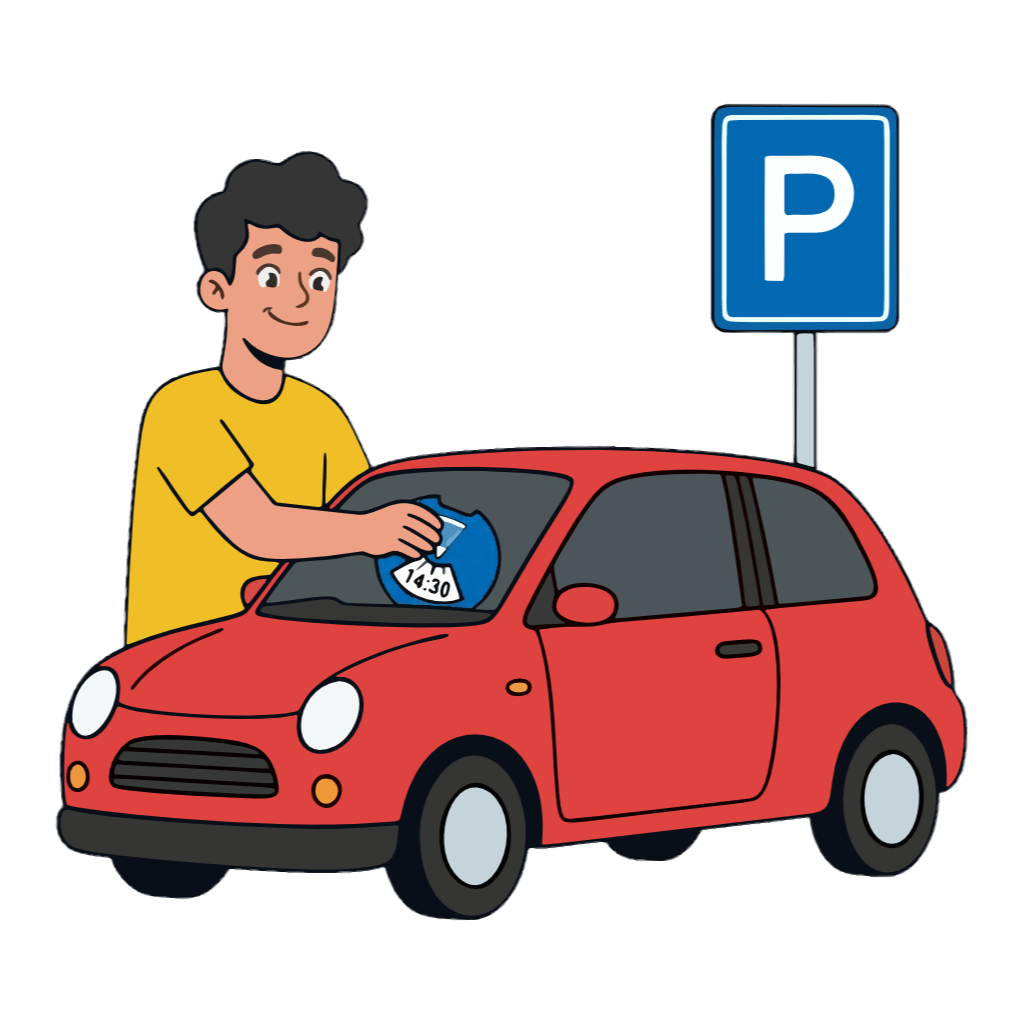
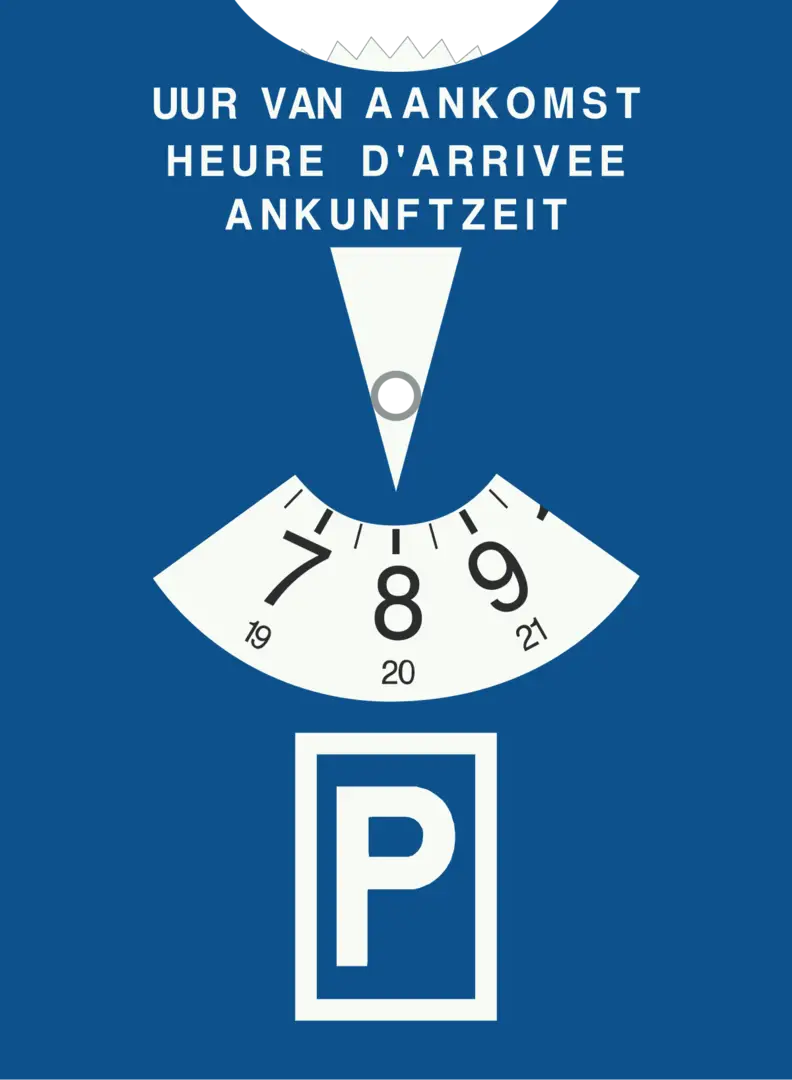
Set the disc to your arrival time and place it behind the windscreen, so the parking attendant can see it.
You may round your arrival time in your favour, usually to the next half hour. If you arrive at 13:35, the disc may be set to 14:00. If you arrive at 14:15, it may be set to 14:30.
If days or hours are shown on a sub-sign, then the disc requirement applies only then. Outside those times you park without a disc.
Stopping is allowed here without a parking disc, as long as you are only letting someone get in or out or loading and unloading.
Visible behind the windscreen, set to the rounded arrival time.
Bays reserved for a specific vehicle
A blue sign with a P and a symbol underneath indicates for whom the bay is intended. If there is a passenger car underneath, then the bay is for passenger cars; if there is a lorry underneath, then it is only for lorries. The same applies to taxi ranks.
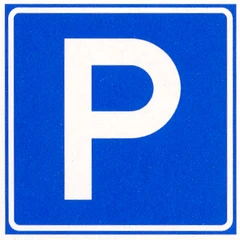
E4 — parking facilities. Without a sub-sign or symbol, everyone may park here.
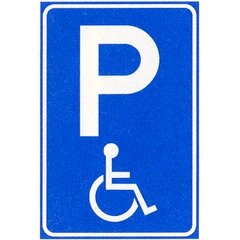
E6 — disabled parking space. Only for holders of a disabled parking card.
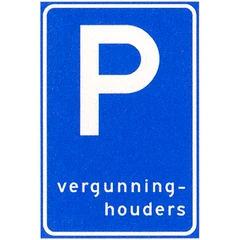
E9 — permit holders. Only drivers with the corresponding parking permit may park here. You see this sign mainly in cities, where spaces for residents must remain available.
For all these bays the same applies: parking is not allowed, stopping is allowed. Letting someone get in or out or loading and unloading is permitted. Sitting there briefly to make a call is not allowed, because that is parking.
White cross or NP
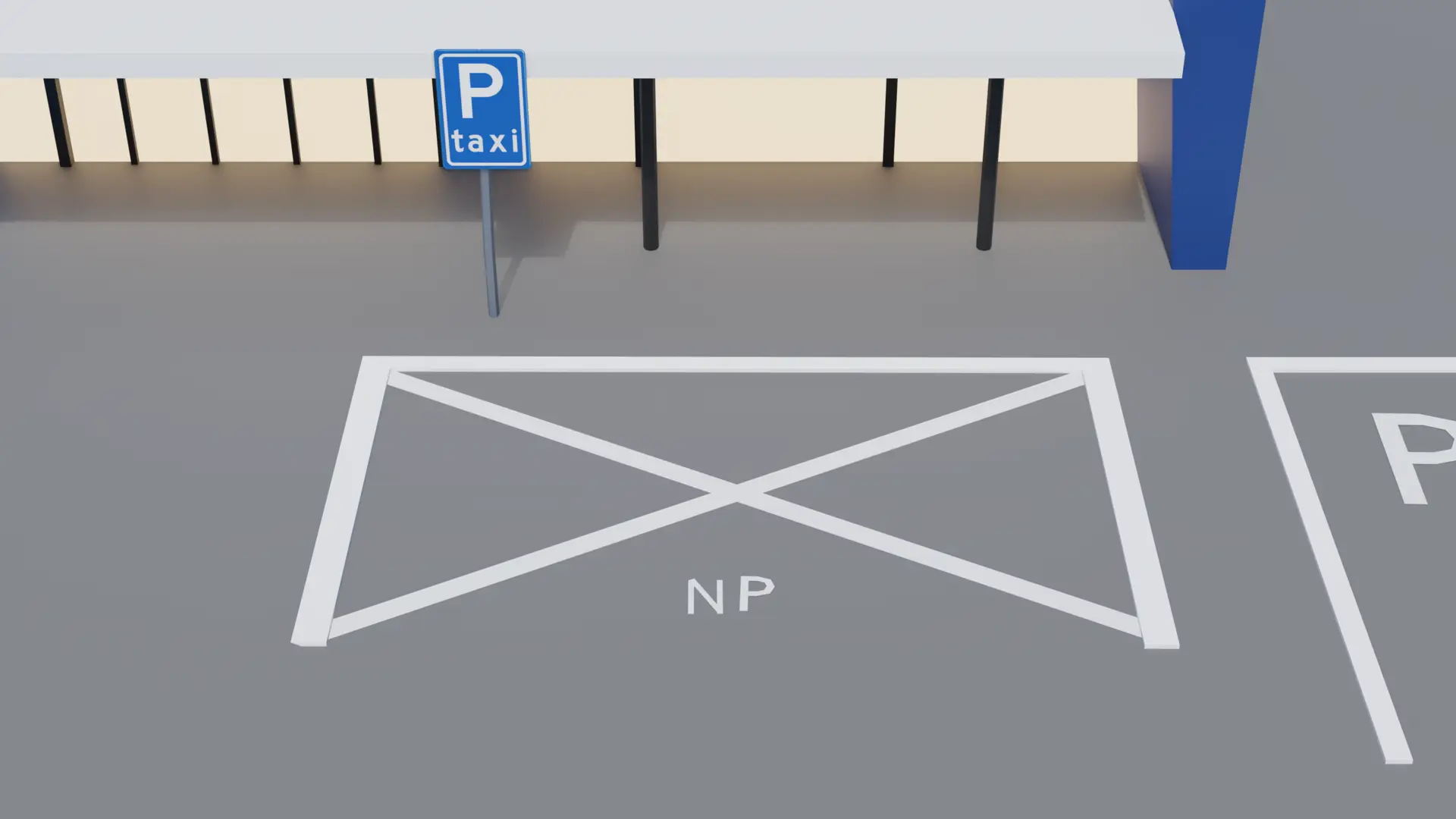
If you see a bay or a section between two bays with a white cross in it, or with the letters NP, then you may not park there. Often otherwise you would block an exit.
A white cross or NP keeps the exit clear: do not park here.
Parking on the way: recreation and P+R
Two square blue signs point you to a parking lot instead of forbidding something.
Recreation area. A blue rectangle with a P and the symbol of a person at rest: here visitors to the recreation area may park.
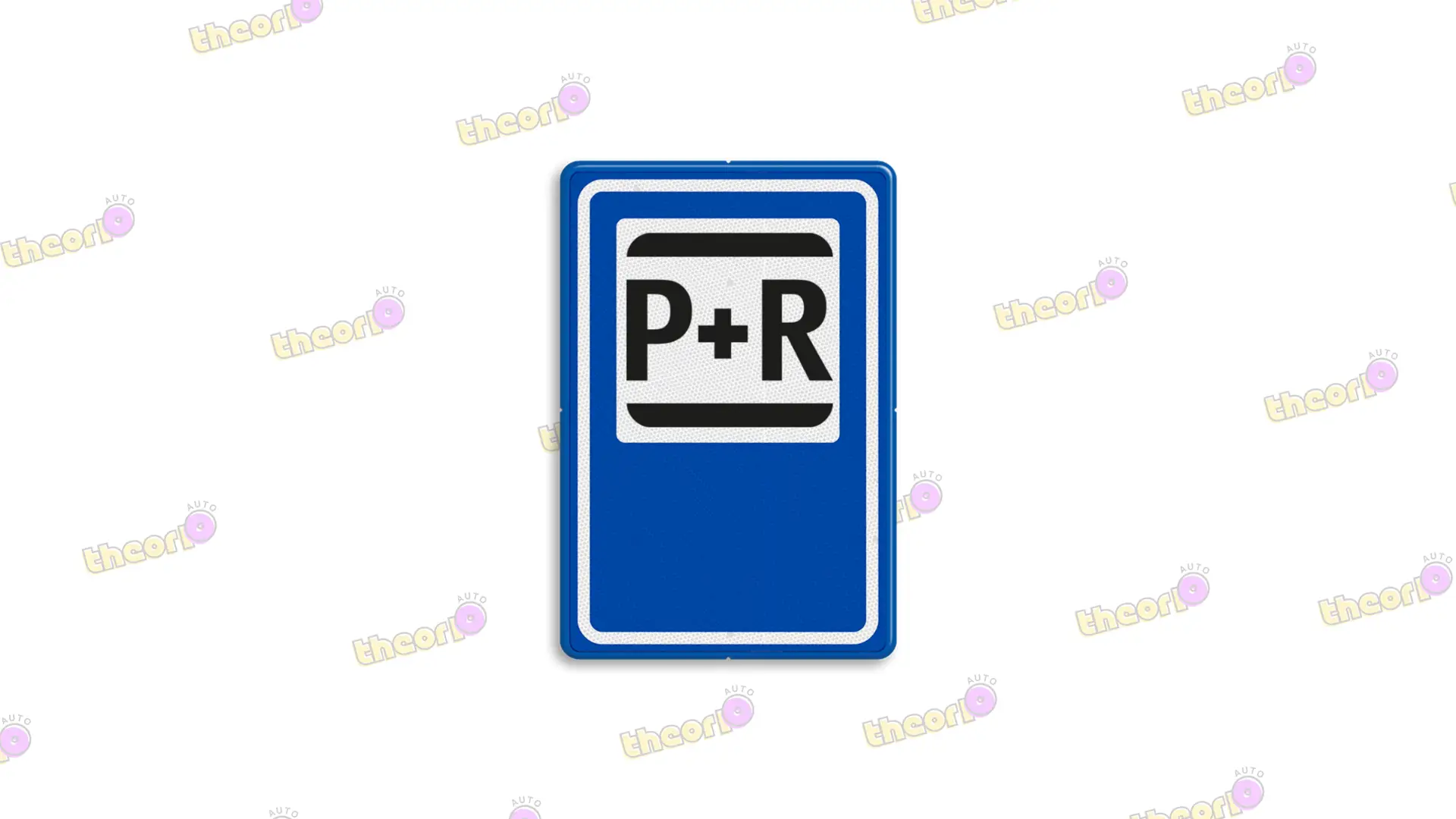
P+R. Stands for Park and Ride: you park the car and travel further by public transport. Easy to remember as Parking + Rails, because the train, tram and metro run there.
On the left the recreation area, on the right P+R: parking and switching to public transport.
You've covered Parking: parking disc and more parking. Does it stick?
With a special manoeuvre, you must always let the other traffic go first. Think of reverse, merging, turning around, getting out, parking and driving away.
For the CBR, the main question is always: are you the one performing the manoeuvre? Then you may not hinder or startle anyone.
Key rule for the exam: if you perform a special manoeuvre, then you let all other traffic go first, including pedestrians and also on a parking lot. If someone else performs the manoeuvre, then you have priority.
The six special manoeuvres
Reverse
Getting in and out of traffic lanes
Turning around
Getting in and out
Parking
Driving away
Carry them out calmly, so you do not startle anyone. The exam question is almost always the same: who is doing something special here? That driver waits.
If someone reverses out of a parking bay or merges, then you do not have to stop. But do not automatically assume that the other person really will wait: preventing a collision comes before giving priority.
Exception: the bus at a stop
If a bus inside the built-up area indicates that it wants to drive away from a stop, then you must let it go first. This applies to all buses: line buses, coaches, school buses.
Inside the built-up area you drive at a maximum of 50 km/h, so you can stop in time. That is why the bus has priority there.
Outside the built-up area you drive up to 80 km/h and suddenly stopping is dangerous. There you do not have to let the bus go first; it waits until you have passed.
If the bus is stationary because people are still getting in and it does not indicate a direction, then you can pass it calmly. But watch out for oncoming traffic.
If a coach comes out of a parking bay instead of a stop, then the exception does not apply and you simply have priority.
Merging and getting out
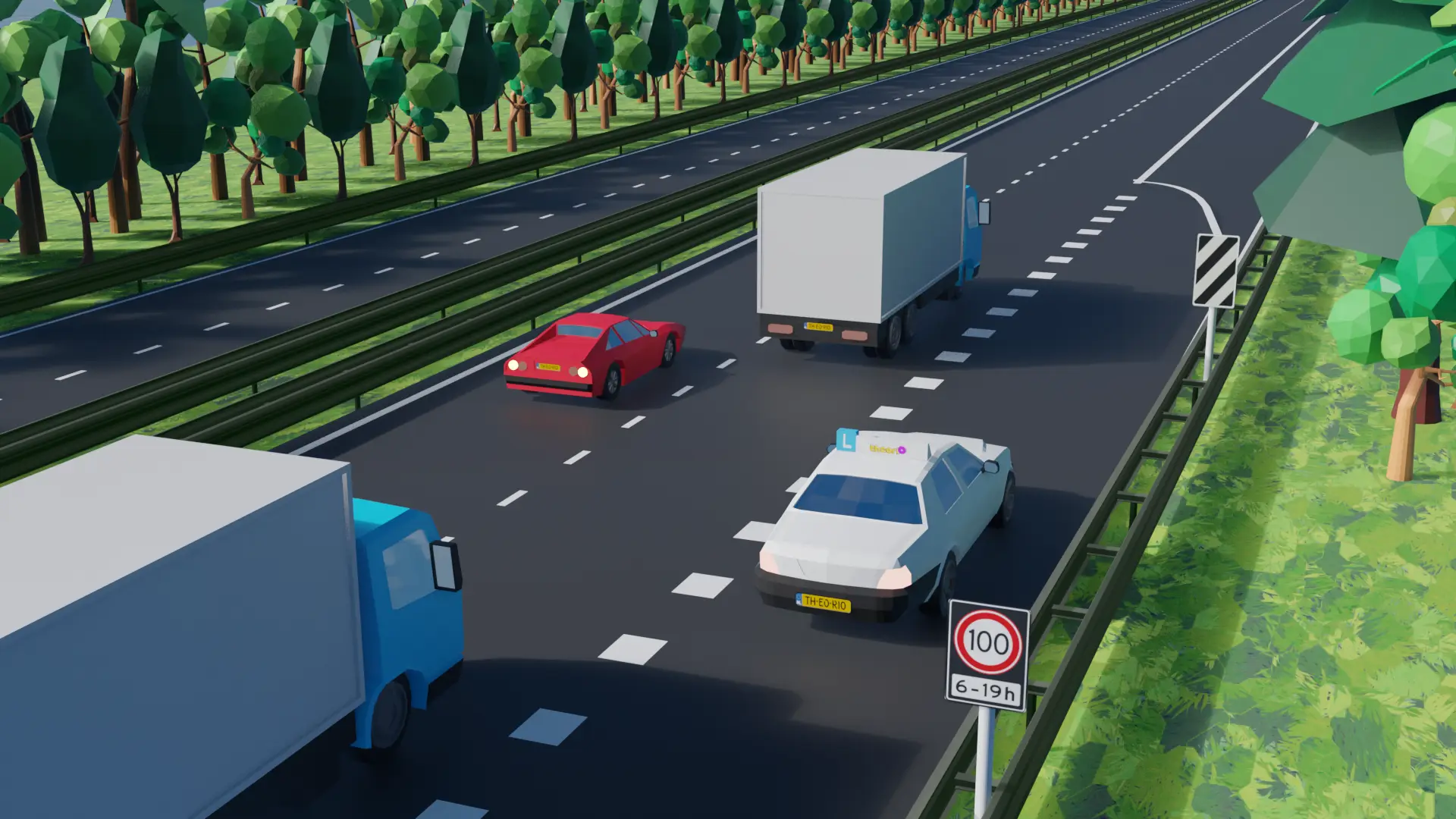
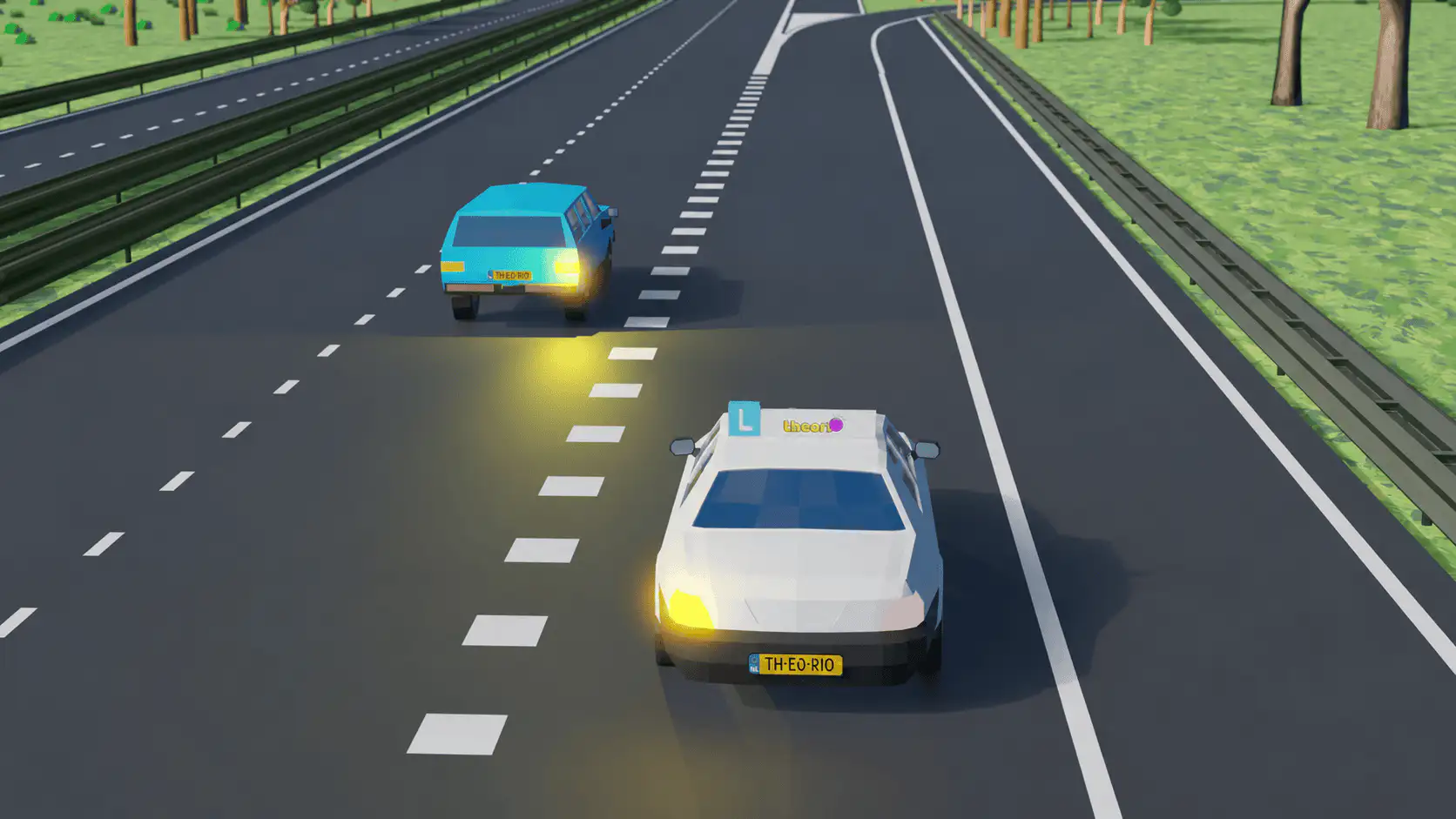
Merging is a special manoeuvre, so the traffic on the lane you want to go into goes first. You do not have to use the entire acceleration lane: as soon as you have enough speed and there is space, you may merge in. After that, do not slide into multiple lanes at once; first merge, look again, and only then possibly take another lane.
You perform the manoeuvre, so the traffic on the main carriageway goes first.
If you want to merge while someone else wants to get out at the same spot, then you wait. Just like in a lift: first let people out, then you get in.
Getting out goes before merging.
Turning around
On a normal road you may turn around, but only if it is safe. Outside the built-up area on a road with traffic in two directions, this usually works.
If there is a continuous stripe, then you may not turn around.
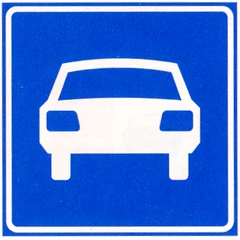
On an autoweg and an autosnelweg you may never turn around, even if there is no central reservation: traffic arrives there at high speed. You recognise an autoweg by the blue sign with a car on it, or by a green central stripe. You drive on until you find a place where turning around is allowed.
On a one-way street you may not turn around, because then you would drive against the traffic.
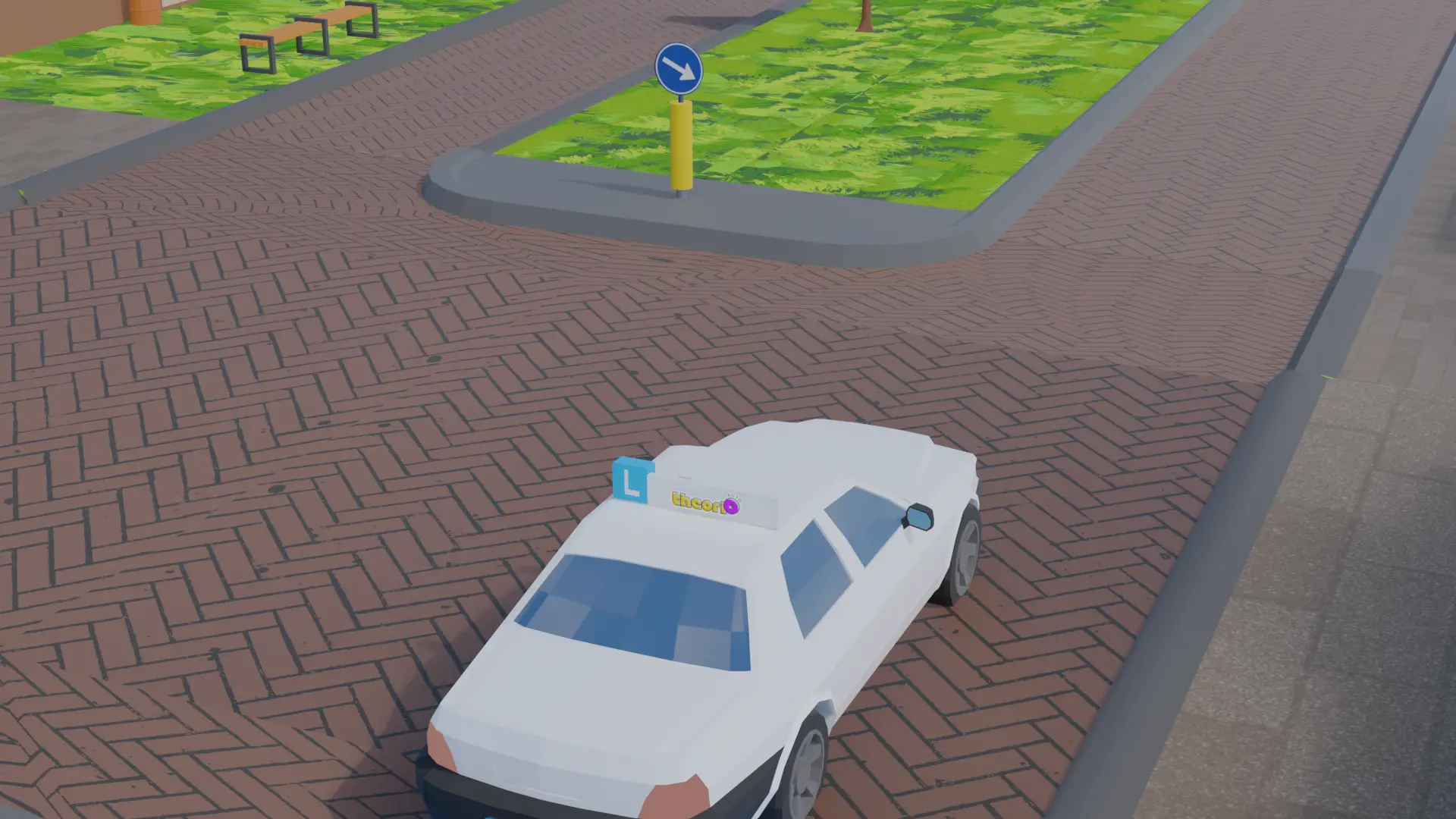
This round blue sign with the slanted arrow pointing to the bottom right means that you must stay to the right of the central divider. Driving along the left side of the sign is forbidden, because then you would drive against the traffic. Turning around and turning left are allowed here.
Wrong exit taken
If you miss an exit, you can sometimes go back, but only if it is safe and you have not yet passed the first exit. If you have already passed it, then you drive on to the next exit.
Reverse and driving away
Reverse is allowed on a normal road, inside and outside the built-up area, as long as you do not hinder anyone. It remains a special manoeuvre, so you look extra carefully and drive at walking pace.
Reverse is only allowed if you do not hinder anyone, including pedestrians.
You may only drive away once you are not hindering any other road user. Indicate a direction, even if you think no one is coming.
Example situations like in the CBR
Situation 1
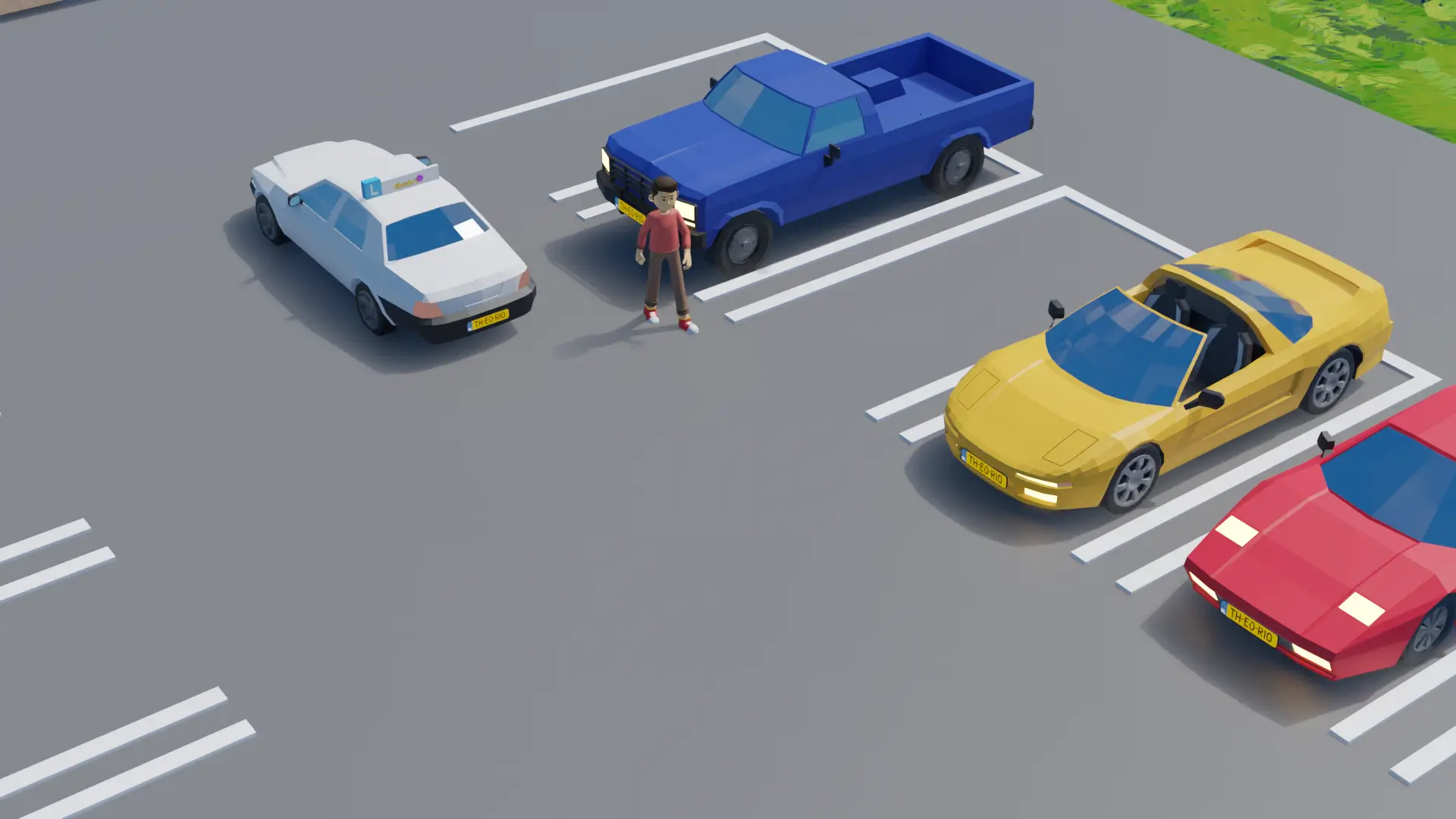
You drive straight across a parking lot. On the right, a car reverses out of a bay. The other driver waits. Reverse is a special manoeuvre; you do not have to stop, but keep an eye on them.
Situation 2
You are inside the built-up area and a line bus indicates at a stop that it wants to drive away. You brake and let the bus go first. Outside the built-up area you would simply be allowed to drive on.
Situation 3
You are outside the built-up area on a two-way road and you are going the wrong way and want to turn around. There is a continuous stripe. This is not allowed. Drive on until you reach a place where the stripe is broken.
CBR trap
Students think that by using the entire acceleration lane or by having enough speed, they get the right to merge in. That is not the case: merging remains a special manoeuvre, so the traffic on the main carriageway lane always goes first. Also do not forget pedestrians — when getting out and on parking lots, they count just as much as cars.
You've covered Special manoeuvres. Does it stick?
FAQ
Frequently asked questions
Short answers to common questions about Parking, stopping & special manoeuvres.
What counts as a special manoeuvre in Dutch traffic theory?
Special manoeuvres include reversing, turning around (U-turn where allowed), parking, stopping outside normal traffic flow, and merging/leaving the carriageway. They require extra care because other road users may not expect your movement.
Is merging onto a motorway a special manoeuvre?
Yes. Merging onto a motorway is a special manoeuvre: you must give way to traffic already on the main carriageway, use the acceleration lane and match speed before merging. The CBR tests this with video scenarios.
Keep practicing with up-to-date material
With this basic knowledge, you know the difference between parking, stopping and special manoeuvres. There are more exceptions involving signs, zones, junctions, bus stops and exits; practise in our app with up-to-date CBR information so that you make the right choice in every situation.
Ready to practise?
Test your knowledge of Parking, stopping & special manoeuvres with 75 practice questions in the app.
Your first quiz is free, no account needed. ·After that from €19.99 for 90 days of access.