Renault Carminat TomTom: Navigation, Safety, and CBR Theory

Renault has upgraded its built-in TomTom navigation with smart features like IQ Routes, making your driving more efficient and safer. Read how modern navigation goes hand in hand with traffic insight and what you need to know about dashboard use, distractions, and traffic rules according to CBR theory.
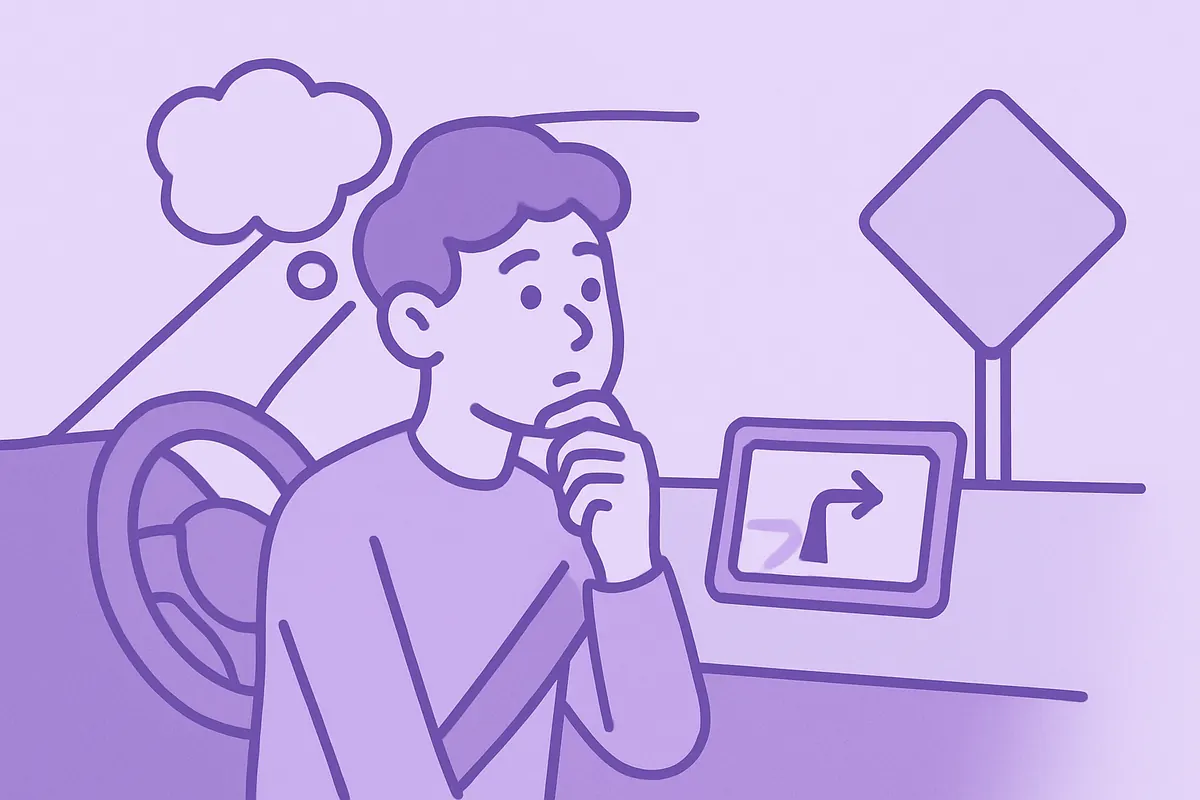
Renault has given its integrated TomTom navigation system, the Carminat TomTom, a significant upgrade. With the introduction of IQ Routes, navigating becomes not only easier but also smarter. The system analyzes data from millions of users to determine which routes are the fastest at any given time, taking current traffic conditions into account. This way, you arrive at your destination faster and more efficiently, whether you're driving during rush hour on a weekday or on a quiet Sunday.
IQ Routes: Always the Smartest Route
What makes IQ Routes unique is its use of real-time and historical traffic information. Based on this data, the system suggests alternative routes if there are delays on your route. This technology was available for almost all Renault models, except for the Twingo and Modus, for example. Existing Renault drivers with a built-in TomTom could easily update their system to the latest version via renault-multimedia.com.

Navigation as a Tool: You Remain the Driver
A navigation system is a valuable assistant, but as the driver, you are always responsible. According to the CBR theory, traffic signs, traffic lights, and the current traffic situation always take precedence. If your navigation indicates something different than a traffic sign, you should follow the sign. This insight is essential for safe driving and for passing your theory exam.
Safe Use of Navigation and Dashboard
An integrated system like the Carminat TomTom is safer than a standalone device, but it can still cause distractions. Always set your route before you depart and keep your attention on the traffic while driving. If you need to deviate from your route unexpectedly, stay calm, follow the traffic rules, and only adjust your navigation when it is safe to do so.
The dashboard offers more than just navigation. Also pay attention to lighting, warning lights, and other signals that help you drive safely and respond quickly to changes in traffic.
CBR Theory: Navigation, Distractions, and Traffic Insight
The CBR exam tests not only your knowledge of traffic rules but also your insight into using modern tools like navigation systems. You must demonstrate that you use navigation wisely, avoid distractions, and always set the right priorities. Questions about route choice, traffic signs, and dashboard use frequently appear in the exam.
Do you want to practice these topics? Theorio offers a modern and playful way to learn CBR car theory. You can practice with 150 free questions, realistic CBR simulations, and learn faster thanks to gamification, streaks, and real-time passing chances. Try it out via the Theorio app.
Conclusion
The Carminat TomTom with IQ Routes shows how technology makes driving smarter and more comfortable. But the bottom line remains: you are responsible, not your navigation. Trust your own insight, always follow the traffic rules, and use your dashboard and navigation as tools for a safe ride. This way, you are well-prepared for the road and the CBR exam.
Exam Facts: Navigation, Phone, and Dashboard Lights
Modern tools are handy, but the exam tests whether you know where the limits lie:
- Holding a phone is prohibited. It is illegal to hold a mobile electronic device while driving — this is stated in Article 61a of the RVV 1990. You should operate navigation in a holder or set it before departure.
- Signs take precedence over your navigation. Traffic signs, traffic lights, and instructions from traffic controllers always take precedence over the route suggested by your navigation system.
- Set your route before departure or in a safe place while stationary — not while driving on the road.
- Red dashboard light: stop safely immediately and address the cause (e.g., for the brake or oil pressure light).
- Orange or yellow light: a warning — you can generally continue driving, but have it checked as soon as possible.
This way, you use technology as a tool while you, as the driver, remain responsible — exactly what the CBR wants to see.