Part 4 of 6 in Parking & Stopping
Parking signs: no parking and no stopping
No parking or no stopping sign? One red stripe bans parking only, a red cross bans stopping too. How to read parking signs and yellow kerbs.


Written by Chris Prosman Reviewed by Dirk van Zuijlen
Updated Reviewed on 6 min read
Free mock exam · no account needed
Two signs decide almost every parking question: the no parking sign with one red slash and the no stopping sign with a red cross. One slash only bans parking. A cross also bans stopping.
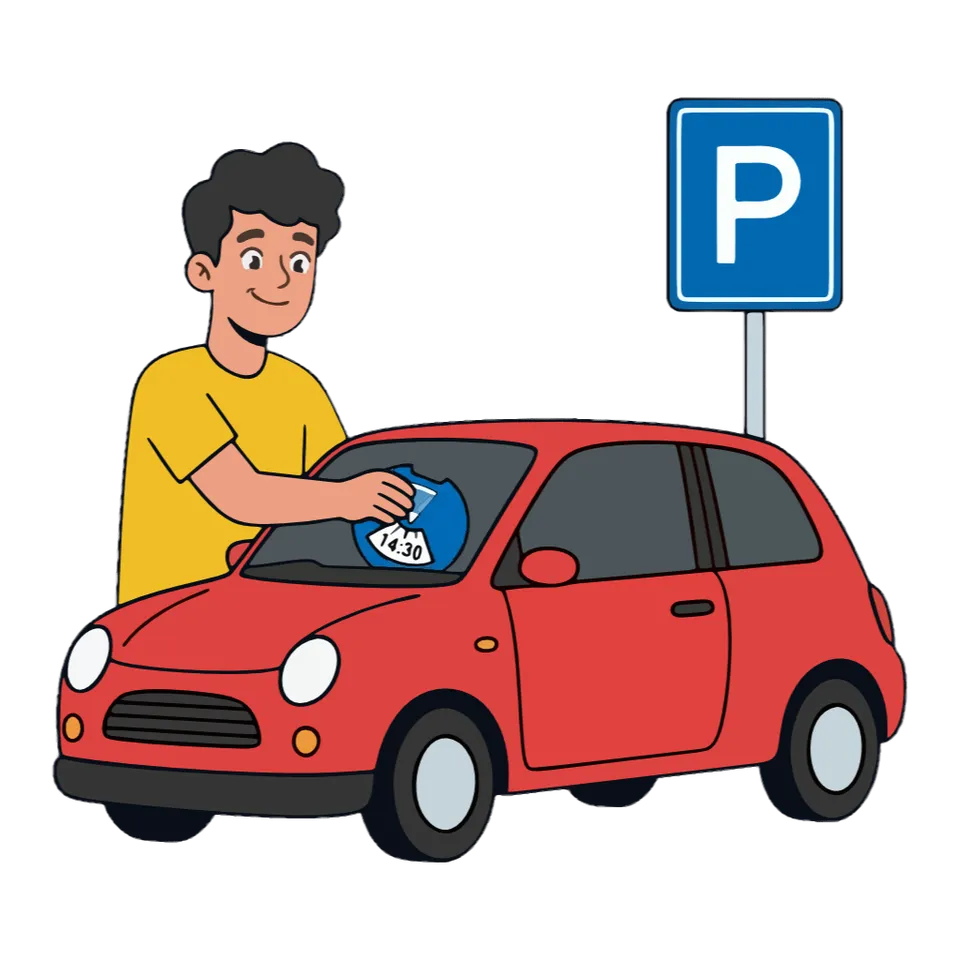
You will also see blue parking signs with a P. They tell you who a parking space is for.
What does a no parking sign mean in the Netherlands?
| Sign E1 | Broken yellow line along the kerb |
|---|---|
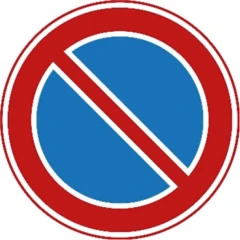 | 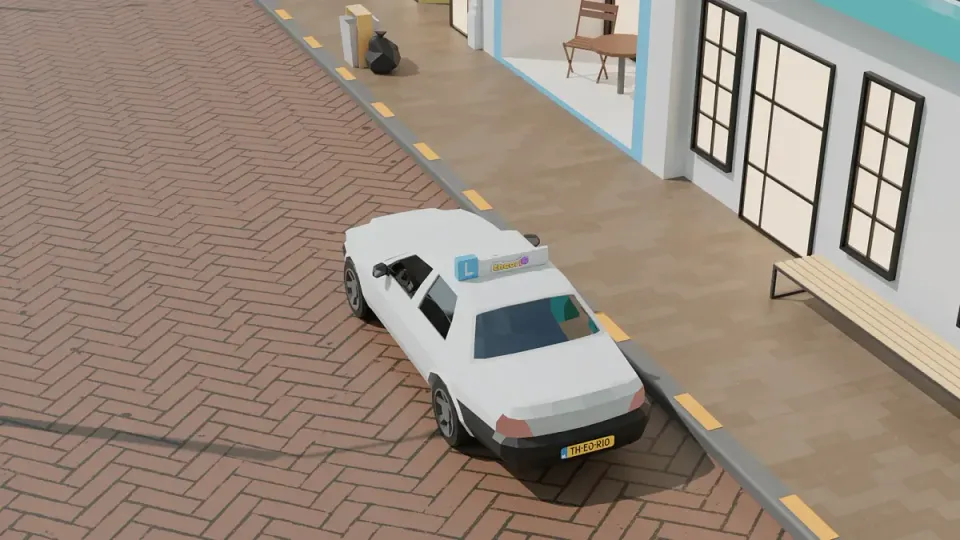 |
The sign and a broken yellow line along the kerb mean the same thing: no parking, but stopping is allowed. The line applies for as long as it runs.
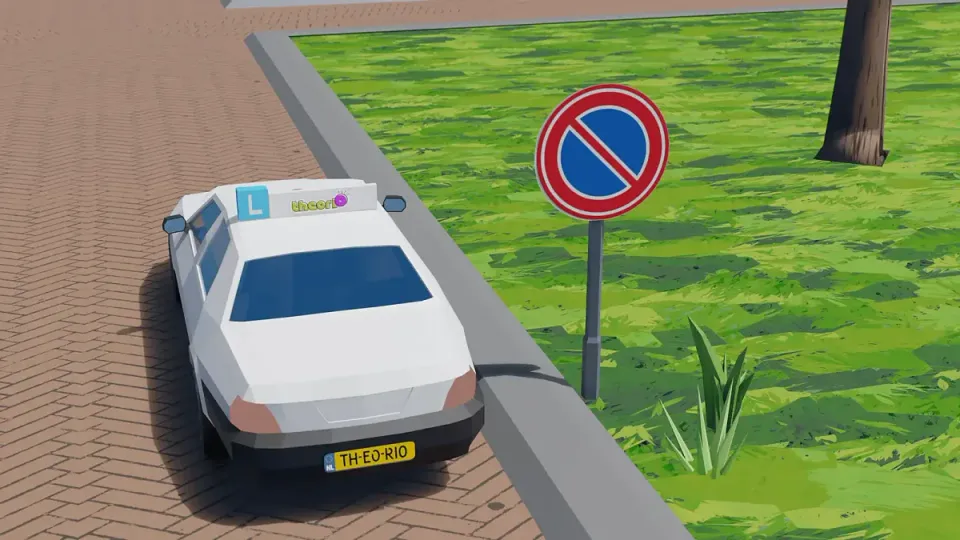
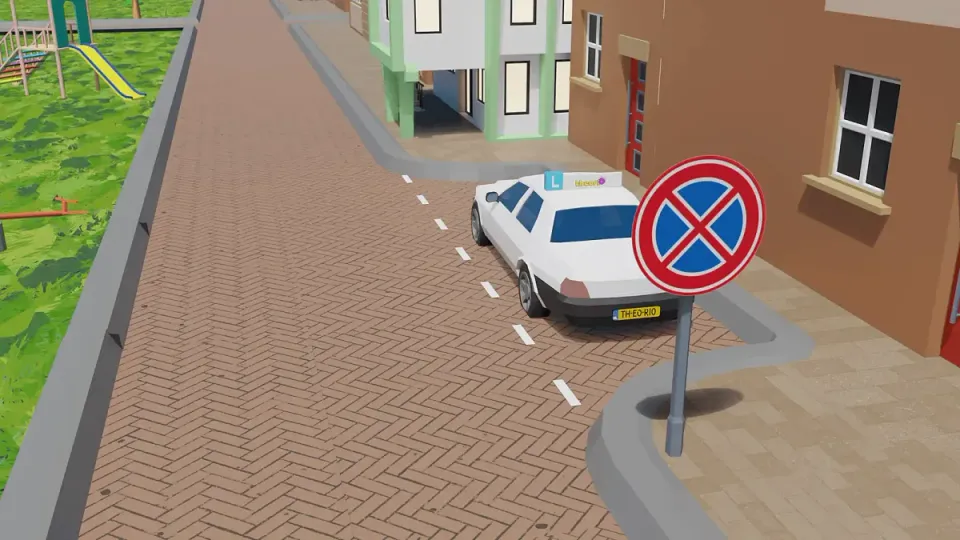
The no parking sign (sign E1) means: you may not park on this side of the road. Stopping is allowed. So you may let someone get in or out. And you may load and unload straight away.
You recognise the sign by its blue background, red border and one red diagonal slash.
Waiting for someone, making a call or popping into a shop is parking. So that is not allowed here, even if you stay in the car.
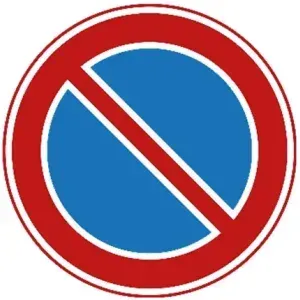
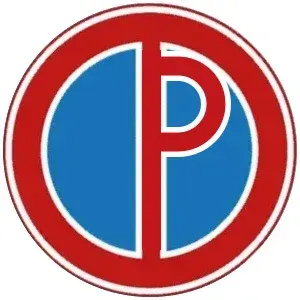
Memory aid: in your mind, turn the sign a little to the right until the red slash stands upright. That slash is the straight line of a letter P. Add a curve at the top right and you see a P: P for parking ban. Only parking is banned; a quick stop is fine.
| 1. Sign E1 | 2. Turned: slash upright | 3. P for parking ban |
|---|---|---|
 |  |  |
No stopping sign: what is not allowed?
| Sign E2 | Solid yellow line along the kerb |
|---|---|
 | 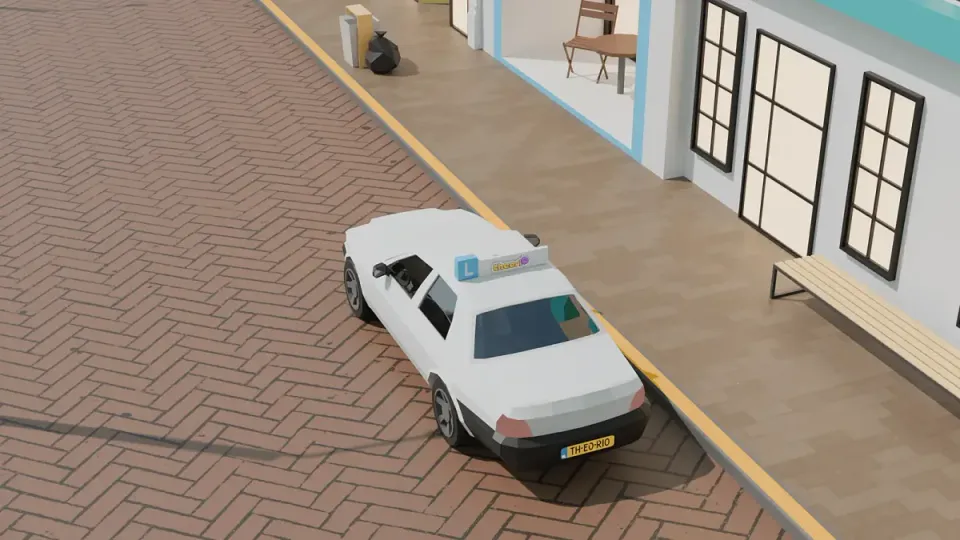 |
The sign and a solid yellow line along the kerb mean the same thing: no stopping, so no parking either. The line applies for as long as it runs.
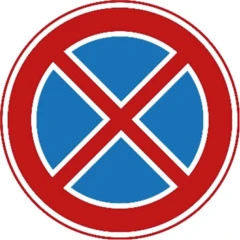
At the no stopping sign (sign E2) you may not stop, so you may not park either. You do not let anyone get in or out here. You do not load or unload anything.
The sign has two red slashes in a cross. So it is the sign for no parking and no stopping. Memory aid: X means nothing at all.
Do you have to stop because traffic requires it, such as at a red light or in a queue? That is fine. The ban is about stopping by choice.
How far does a no parking sign apply?
A no parking sign applies from the sign to the next junction. It only applies on the side of the road where the sign stands. So you may park on the other side, if no other ban applies there.
The no stopping sign works the same way.
No parking on both sides: the word ZONE
Does the sign say ZONE above it? Then the ban applies in the whole area and on both sides of the road. It continues until you see the end of zone sign.
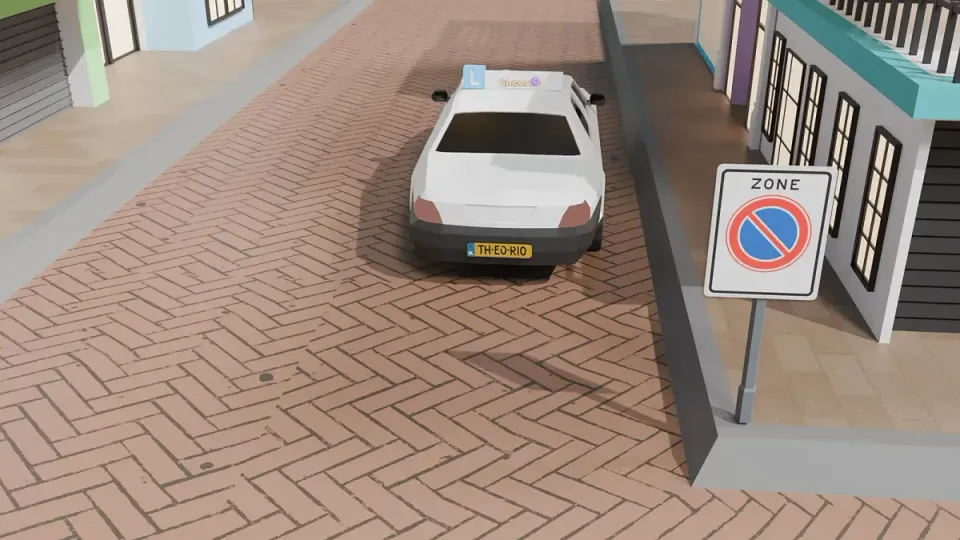
No parking sign with an arrow or sub-plate
Always read a sub-plate together with the sign above it. An arrow or a distance shows where the ban applies. Does it show days or times? Then the ban only applies at those times.
Does the sub-plate show a vehicle, such as a lorry? Then the ban only applies to that vehicle. You may park there with your car.
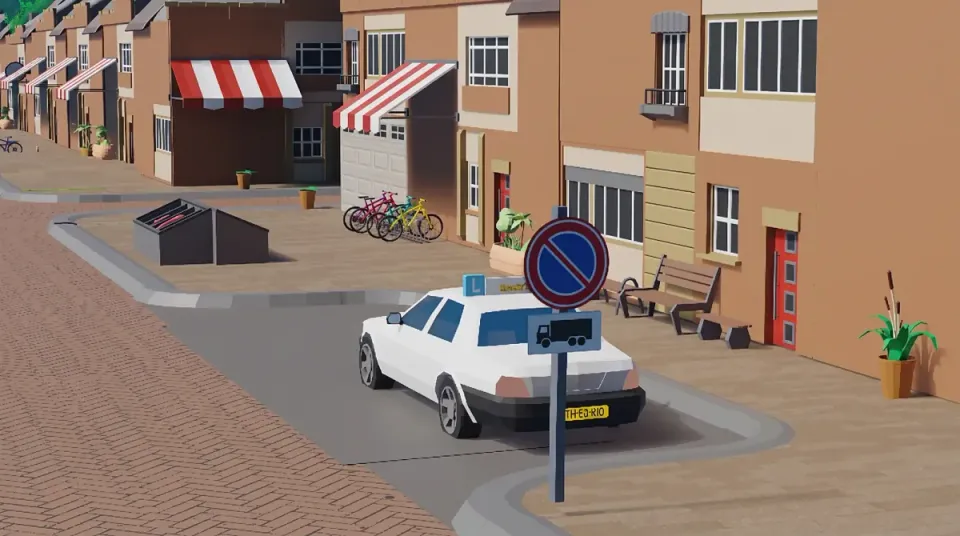
A parking bay next to the sign
Is there a parking bay or lay-by next to the road? Then you may park there, even if a ban sign stands along the road. The ban applies to the road, not to the space meant for parking. Do check whether the bay itself has a sign with a restriction.
Parking signs with a P: who may park there?
A blue square parking sign with a white P means: you may park here. This is sign E4. Is there a symbol or text on or under the sign? Then the space is only for that group.
Not part of that group? Then you may not park there. Letting someone get in or out, or loading and unloading straight away, is allowed, because that is stopping.
| Sign | What does it mean? |
|---|---|
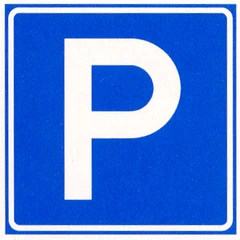 | You may park here. Without a symbol or sub-plate, anyone may park here. |
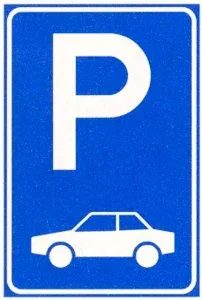 | Only for passenger cars, not for lorries or buses. With another vehicle you may still stop here: to let someone get in or out, or to load and unload straight away. |
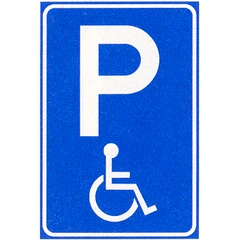 | Disabled parking space. Only with a valid disabled parking card behind the windscreen, when you are driving the card holder. A passenger with a broken leg does not count. Without a card you may still stop here: to let someone get in or out, or to load and unload straight away. |
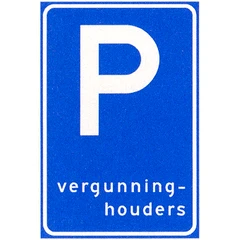 | Only with the right parking permit. A parking disc does not help. Without a permit you may still stop here: to let someone get in or out, or to load and unload straight away. |
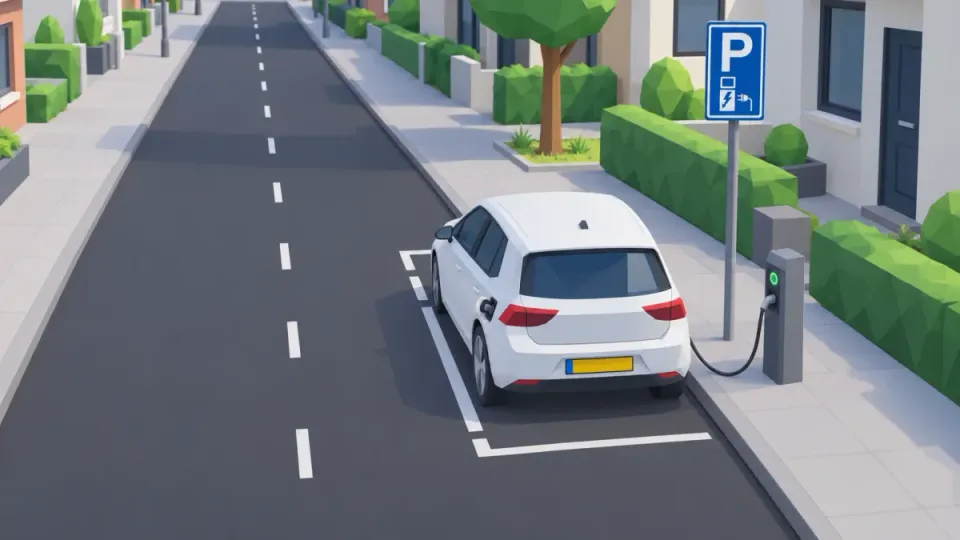
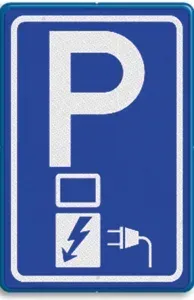 | Only park here to charge an electric car. You may still stop here: to let someone get in or out, or to load and unload straight away. |
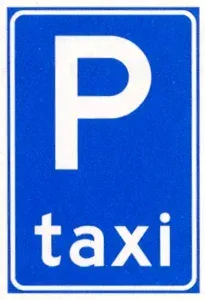 | Taxi rank: only taxis may park here. With your own car you may still stop here: to let someone get in or out, or to load and unload straight away. |
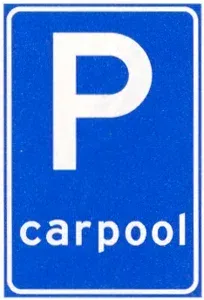 | Only if you carpool: you leave your car and travel on together with others. You may still stop here: to let someone get in or out, or to load and unload straight away. |
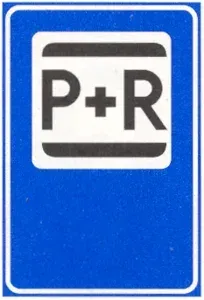 | P+R (park and ride): you park and travel on by bus, tram, metro or train. You may still stop here: to let someone get in or out, or to load and unload straight away. |
Parking sign for electric cars
At sign E8c you may only park to charge an electric car. No sign at the charging point? Then, under the traffic rules, the space is not only for charging. Do check for other signs.
Where can you park and where not? An overview
A yellow line on the kerb works just like these signs. A broken yellow line means no parking. A solid yellow line means no stopping, so you may not let anyone get in or out either. Read more about yellow lines on the road.
| What you see | Parking | Stopping |
|---|---|---|
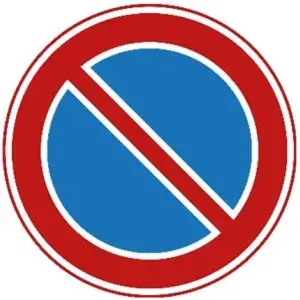 Sign E1, no parking | No | Yes |
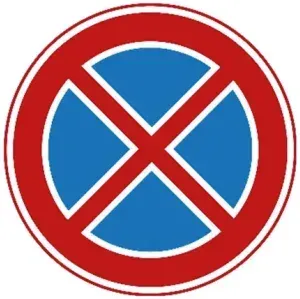 Sign E2, no stopping | No | No |
Broken yellow line | No | Yes |
Solid yellow line | No | No |
Parking bay next to a ban sign | Yes | Yes |
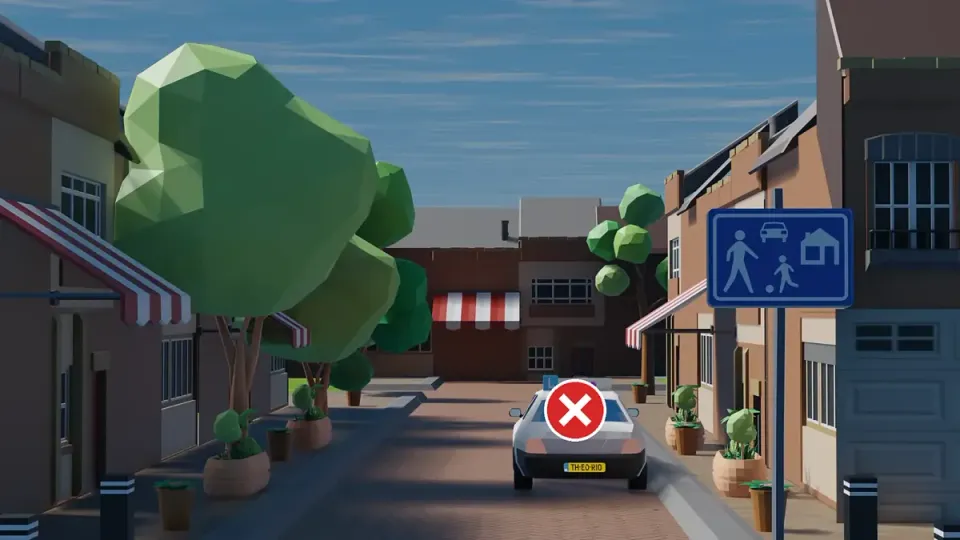 Erf, outside a bay | No | Yes |
In some places you may not park even without a sign, such as in front of a driveway or close to a junction. You can read about those in parking rules.
Practise like the exam
Example questions like in the CBR exam
Real questions from the Theorio app. You can expect similar questions in your CBR exam.
Question 1 of 6
One of these signs means that you may not stop, the other sign means that you may not park.
Which sign indicates a no parking zone?
Tap the answer you think is right.
Which sign indicates a no stopping zone?
Tap the answer you think is right.
Are you allowed to let someone get in and out here?
Tap the answer you think is right.
Are you allowed to load and unload here?
Tap the answer you think is right.
In which situation are you allowed to let someone get in here?
Tap the answer you think is right.
Which sign are you not allowed to park at?
Tap the answer you think is right.
Answers and explanations for the example questions
Question 1: Which sign indicates a no parking zone?
Correct answer: Sign A
A no parking sign applies on the side of the road where the sign is located. You may not park here. 🚗
Question 2: Which sign indicates a no stopping zone?
Correct answer: Sign B
With this sign, you may not stop, think of the 'X' of nothing, you must therefore keep driving. Do not stop at any time. 🚫
Question 3: Are you allowed to let someone get in and out here?
Correct answer: Yes
In a no-parking zone, you are not allowed to park, but you may stop briefly to safely let someone get in or out 🧳.
Question 4: Are you allowed to load and unload here?
Correct answer: No
In case of a no stopping prohibition 🚫, you are not allowed to stop, not even to load and unload. It is impossible to stop here.
Question 5: In which situation are you allowed to let someone get in here?
Correct answer: Situation B
Situation A shows a no stopping sign. Situation B shows a yellow broken line: a no parking. In a no parking situation, it is allowed to briefly let someone get in 🧳.
Question 6: Which sign are you not allowed to park at?
Correct answer: Both
At sign A: Do you see the red line? It says: No. You are not allowed to park here. You may stop for a moment, for example, to let someone out of the car. At sign B: Do you see the little man with the box? This spot is only for picking up items or dropping off items. Are you done? Then you must leave. So you are also not allowed to park here.
FAQ
Frequently asked questions
Short answers to questions that often come up on this subject.
What is the difference between a parking ban and a stopping ban?
E1 has one red diagonal slash and prohibits parking. Immediate boarding/alighting and genuine immediate loading/unloading remain possible unless another rule prohibits them. E2 has a red cross and prohibits voluntary stopping and parking. You must still stop when traffic requires it, such as at red or in a queue.
Ready to practise?
Test your knowledge of Parking & Stopping with 75 practice questions in the app.
Free mock exam · no account needed
Your first quiz is free, no account needed. After that from €34.99 for 90 days of access.