Part 2 of 5 in Eco-friendly Driving & Breakdowns
Switching off the engine: the 1-minute rule
Switching off the engine: after how many seconds? Learn the one-minute rule, how a start-stop system works, when it does not, and if you may turn it off.


Written by Chris Prosman Reviewed by Dirk van Zuijlen
Updated Reviewed on 4 min read
Free mock exam · no account needed
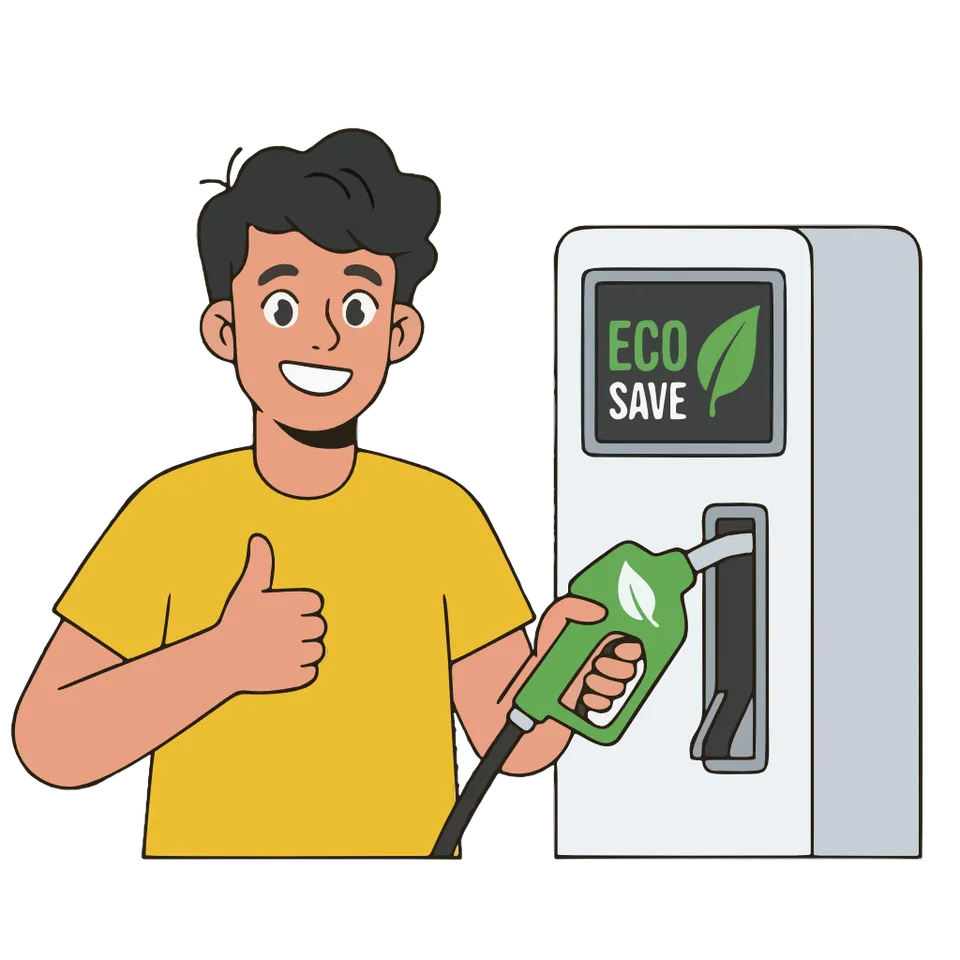
Standing still for more than 1 minute? Then switch off the engine. That saves fuel and gives fewer emissions. A start-stop system does this by itself during short stops.
After how many seconds should you switch off your engine?
Do you expect to stand still for more than 1 minute? Then switch off the engine. That is the rule you learn for the CBR exam. It is advice for economical driving, not a law with a hard limit of 60 seconds.
A running engine also uses fuel when the car stands still. This is called idling. Only switch off when you have really stopped and it is safe. Never while driving.
Bridge, level crossing, ferry and queues
| Picture | Situation | What do you do? |
|---|---|---|
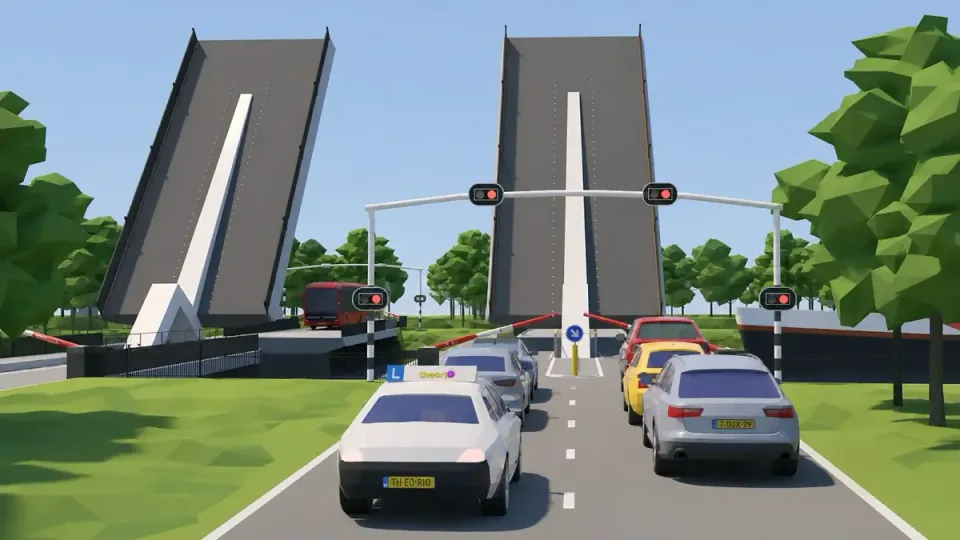
| Open bridge or level crossing | Are the barriers just closing and will you wait longer? Stop safely and switch off the engine. |
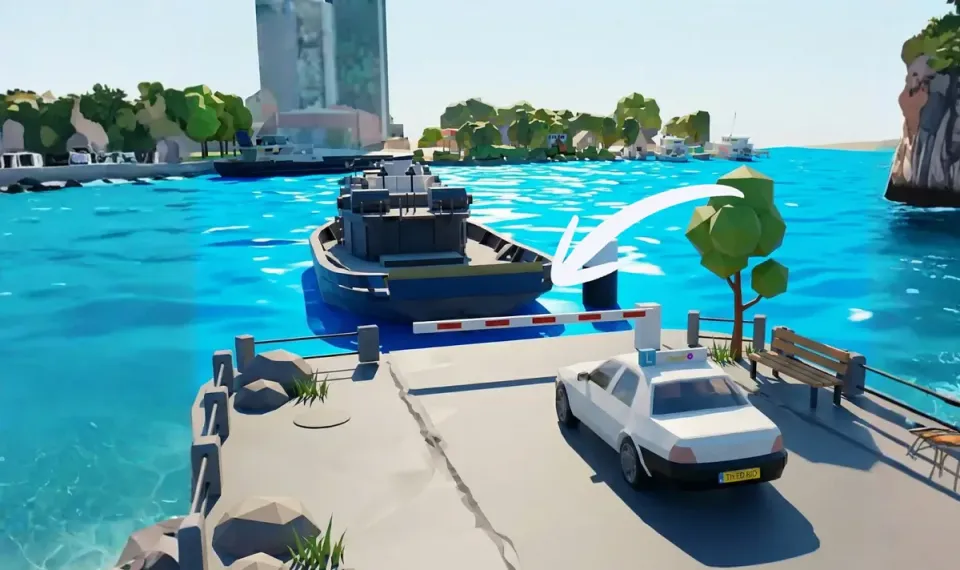 | Ferry | Switch off while you wait and also on the ferry itself. Follow the crew’s instructions. |
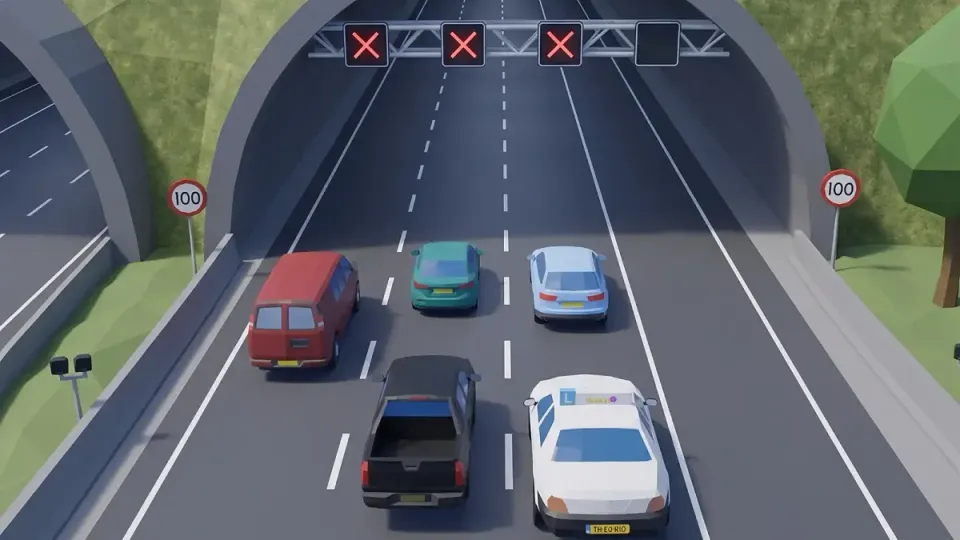 | Red crosses above all lanes | Stop and switch off if you wait longer. Do not turn around and do not use the hard shoulder. |
Are you in a queue that has stopped completely? Then also switch off if you wait longer. In a tunnel, follow the announcements and signals. What to do if you break down in a tunnel is under breakdowns.
Why switch off the engine when refuelling?
Always switch off the engine when you refuel. Fuel vapour can catch fire. That is why petrol stations ask for this too.
What is a start-stop system and how does it work?
A start-stop system switches the engine off by itself when you stop, for example at a red light. When you drive on, the engine starts by itself. In a manual car this usually happens when you press the clutch, in an automatic when you release the brake.
Does a start-stop system save fuel?
Yes. The system stops the engine idling during short stops. In the exam, the start-stop system counts as something that saves fuel. How much you save depends on how often you stop. In town with many traffic lights you save more than on the motorway.
Why does the start-stop system not always work?
The system only works when the car is ready for it. Does the engine sometimes keep running? That is usually not a fault.
| What do you notice? | What does it mean? |
|---|---|
| The engine keeps running when you stop | The battery is not charged enough or the engine is not warm yet. |
| You need a new battery | Choose a battery that suits start-stop. Cars with this system have a battery made for it. |
| The system never works any more, or a warning light stays on | Have it checked. |
Can you turn off the start-stop system?
Yes, you may. No rule says the system must be on. There is usually a button for it on the dashboard. In many cars the system is on again when you restart the car. Have you turned it off? Then switch off the engine yourself when you stand still for more than 1 minute.
| Start-stop system | What happens when you stop? |
|---|---|
| On | The engine usually stops by itself and starts again when you drive off. |
| Off | The engine keeps running. Standing still for more than 1 minute? Then switch off the engine yourself. |
Does a start-stop system have disadvantages?
You sometimes notice the stopping and starting, and the system does not always work. But the car is built for it, for example with a special battery.
Should you let your engine warm up?
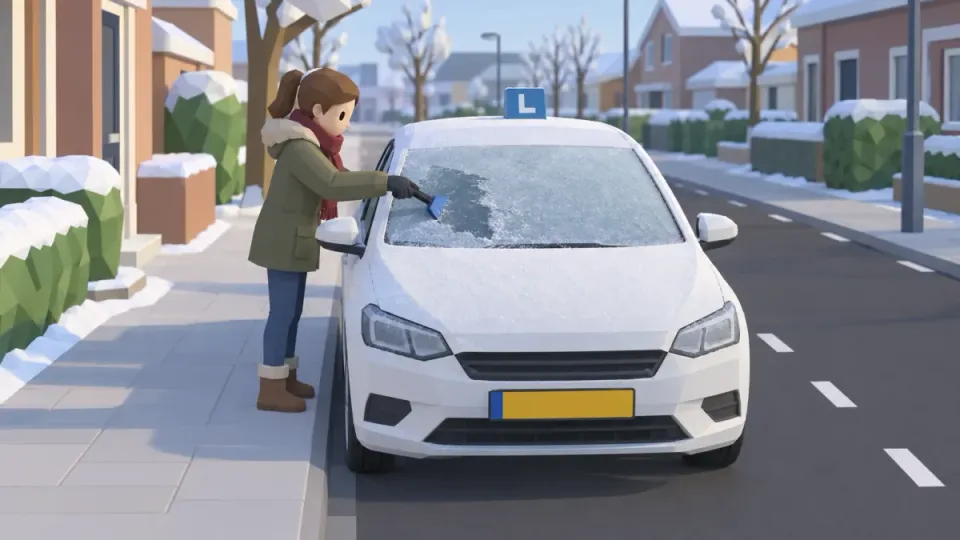
No. Do not let the engine idle to warm up before you drive off. That uses fuel and gives emissions. First clear all windows and mirrors of ice, snow and mist. Then start and drive off gently. That also warms up the engine.
Never let an engine run in a closed garage. Exhaust gas contains carbon monoxide. That gas is poisonous and you cannot smell it.
RPM and changing gear · Switching the engine off · Reducing fuel consumption · Breakdowns · First aid at an accident
Practise like the exam
Example questions like in the CBR exam
Real questions from the Theorio app. You can expect similar questions in your CBR exam.
Question 1 of 6
Is it allowed to leave the engine running if you are stationary for more than a minute?
Tap the answer you think is right.
The barriers are going down. May you leave the engine running?
Tap the answer you think is right.
In which situation should you turn off the engine?
Tap the answer you think is right.
Do you need to turn off the engine when the ferry departs?
Tap the answer you think is right.
You are driving with the start-stop system switched on. Do you consume less fuel?
Tap the answer you think is right.
Is it allowed to let your engine warm up before you drive away?
Tap the answer you think is right.
Answers and explanations for the example questions
Question 1: Is it allowed to leave the engine running if you are stationary for more than a minute?
Correct answer: No
If you are stationary for more than 1 minute, turn off the engine. This prevents unnecessary emissions and fuel consumption, for example at an open bridge or a waiting barrier. ⏱️ Minimize unnecessary idling.
Question 2: The barriers are going down. May you leave the engine running?
Correct answer: No
No, at a closed level crossing you must turn off the engine. The wait usually lasts longer than 1 minute. It is then unnecessary and environmentally harmful to leave the engine idling. 🚂
Question 3: In which situation should you turn off the engine?
Correct answer: Both situations
When you are stationary for more than 1 minute, such as waiting for a ferry or while you are already on the ferry, you should turn off the engine.
Question 4: Do you need to turn off the engine when the ferry departs?
Correct answer: Yes
Yes, as soon as you are on the ferry, you turn off the engine. The crossing takes longer than 1 minute and running engines cause fumes and inconvenience for other passengers and the staff. ⛴️
Question 5: You are driving with the start-stop system switched on. Do you consume less fuel?
Correct answer: Yes
Door het start-stopsysteem slaat de motor automatisch af als je stilstaat (bijvoorbeeld voor een stoplicht). Hierdoor draait de motor niet stationair en verbruik je op dat moment helemaal geen brandstof, wat over de hele rit gezien zorgt voor een besparing 🍃
Question 6: Is it allowed to let your engine warm up before you drive away?
Correct answer: No
The CBR advises against letting the engine idle to warm up before you drive away. ⚠️ By driving calmly right away, you save fuel and prevent unnecessary emissions. Avoid unnecessary idling.
FAQ
Frequently asked questions
Short answers to questions that often come up on this subject.
Do you have to switch off the engine on a ferry?
Switch off on the ferry and follow the crew’s instructions and local rules. Also avoid unnecessary idling during a longer wait for the ferry. Do so only when safely stationary; do not switch off while driving aboard.
Do you switch off the engine at a level crossing?
If you expect a longer wait after stopping safely, for example when the barriers are closing, switch off. The same advice applies at an open bridge. About one minute is an economical-driving guideline, not a general legal threshold or a guarantee that every crossing remains closed for the same time.
Ready to practise?
Test your knowledge of Eco-friendly Driving & Breakdowns with 60 practice questions in the app.
Free mock exam · no account needed
Your first quiz is free, no account needed. After that from €34.99 for 90 days of access.