Part 3 of 4 in Car lighting & Dashboard
Dipped beams, side lights and daytime running lights
Dipped beams are always allowed and required in the dark, in tunnels and in poor visibility. When do you use side lights, and when is DRL not enough?


Written by Chris Prosman Reviewed by Dirk van Zuijlen
Updated Reviewed on 5 min read
Free mock exam · no account needed
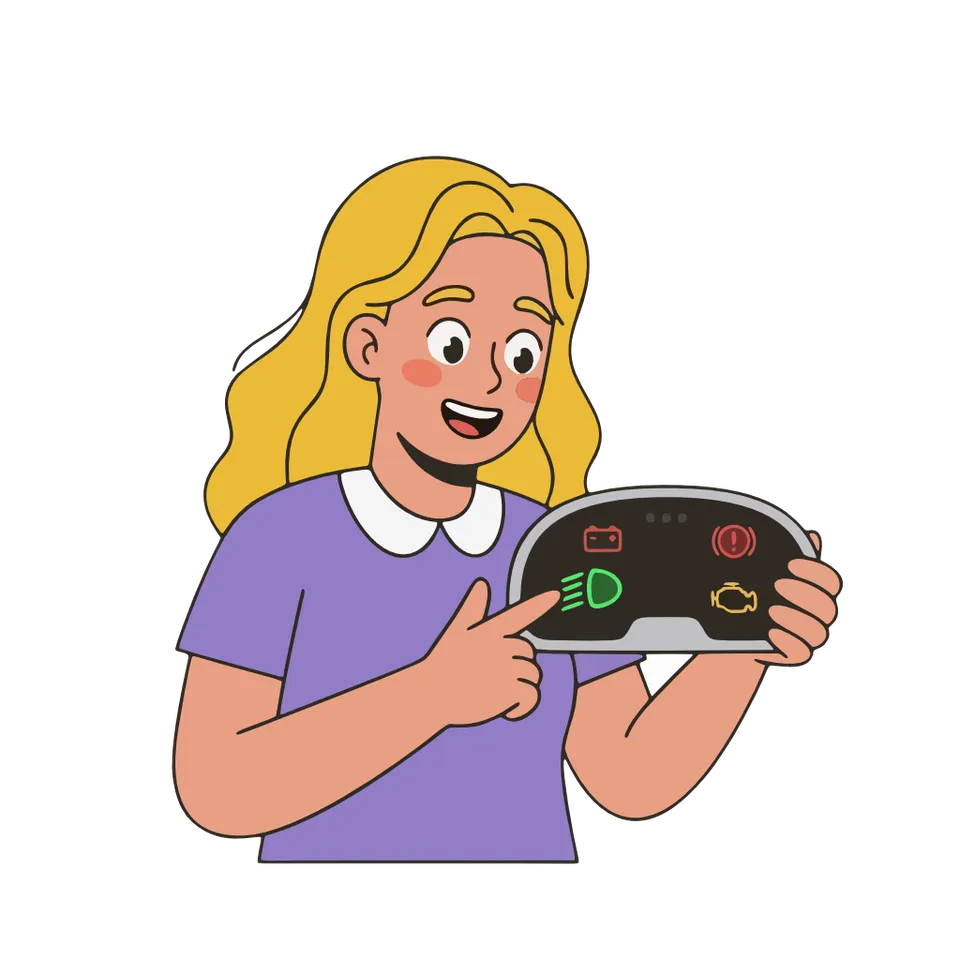
Dipped beam is your normal driving light. It is always allowed, and it is required in the dark, in poor visibility and in a tunnel. Daytime running lights are for daytime in good visibility. Side lights are for standing still, not for driving.
Video explanation
What are dipped headlights?
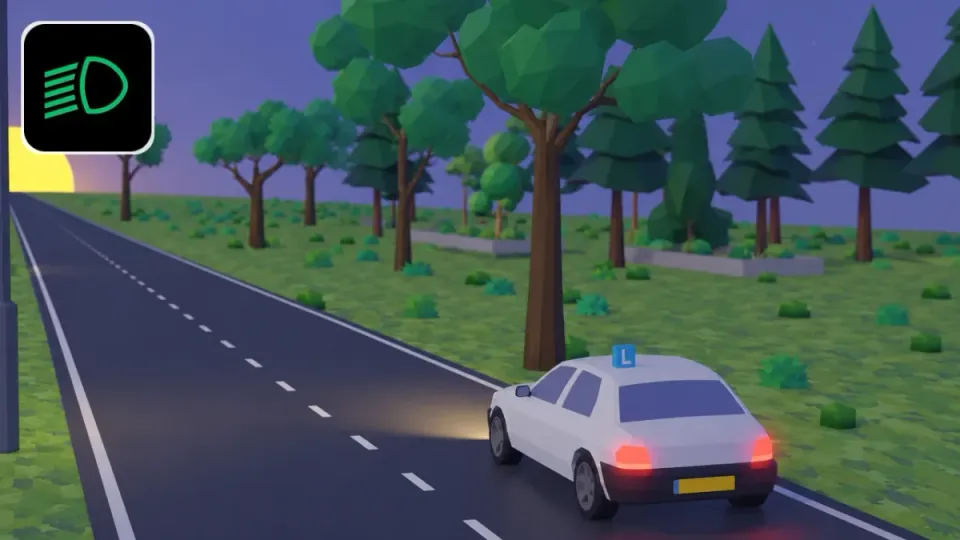
Dipped beam is your normal light for driving. It shines downwards at an angle. You see the road without dazzling others. With dipped beam your rear lights and number plate light are on too. So others also see you from behind.
Driving in the dark on a road without other traffic? Then you may also use full beam. As soon as you meet someone, switch back to dipped beam.
Check regularly that all your lights work, and have a broken bulb replaced quickly. Carrying a heavy load? Check that your lights do not shine too high.
When must you use dipped headlights?
Dipped beam is always allowed, also during the day. You must use it:
- at night;
- during the day when visibility is seriously reduced, for example by fog, snow or heavy rain;
- in a tunnel. Switch it on before the entrance.
In poor visibility you may also use front fog lights. Read more under fog lights.
Dipped beam symbol and the other light symbols
The dipped beam symbol is a green headlamp with lines slanting downwards. This table shows all the light symbols on your dashboard, and when you use each light:
| Symbol | Name | When do you use it? |
|---|---|---|
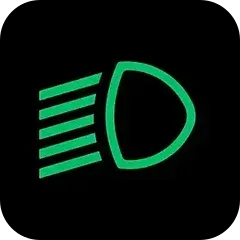 | Dipped beam Symbol: green, slanting lines. Lamp outside: white. | Always allowed, also during the day. Required at night, in poor visibility and in a tunnel. Switch it on before the tunnel. |
 | Full beam Symbol: blue, straight lines. Lamp outside: white. | Only in the dark, never during the day. Switch it off when you meet someone, also a pedestrian, and when you drive close behind someone. |
 | Side lights (position lights) Symbol: green, two small lamps. | When you are parked, not for driving. Standing still on the carriageway outside a built-up area in the dark? Then side lights and rear lights must be on. |
 | Front fog lights Symbol: green, lamp facing left, wavy line through the rays. | Allowed when fog, snow or rain limits your view to less than 200 metres. Not required. |
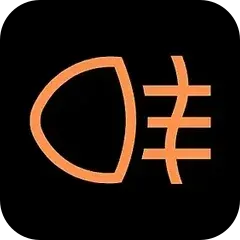 | Rear fog light Symbol: orange, lamp facing right. Lamp outside: red and extra bright. | Only in fog or snow and when you see less than 50 metres. Never in rain. |
Note: the symbol on your dashboard often has a different colour from the lamp outside. The rear fog light symbol is orange, but the lamp itself is red. The other lamps: brake lights and rear lights are red, the reversing light is white, and indicators and hazard lights are orange.
The symbol only tells you which light is on. Whether that light is allowed right now depends on the situation.
What are side lights?
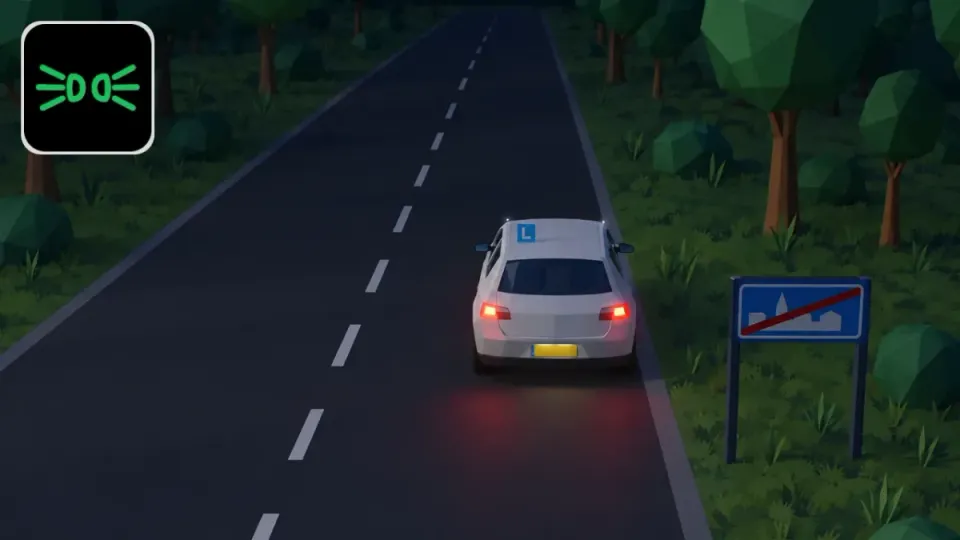
Side lights are also called position lights or parking lights. They are small lamps at the front, together with your rear lights and number plate light. They help others see your car when it is standing still. They do not light up the road.
Are side lights mandatory?
Only in one situation. Outside a built-up area you stand still on the carriageway, in the dark or in seriously reduced visibility. Then side lights and rear lights must be on. This also applies on a parking strip or hard shoulder along a motorway or autoweg. Inside a built-up area this rule does not apply.
Can you drive with side lights only?
No, not with side lights only. You see the road badly and others see you badly. Driving in the dark, in poor visibility or in a tunnel? Then you need dipped beam. So side lights are not the lights for driving through town at night.
Daytime running lights: what are they and when may you use them?
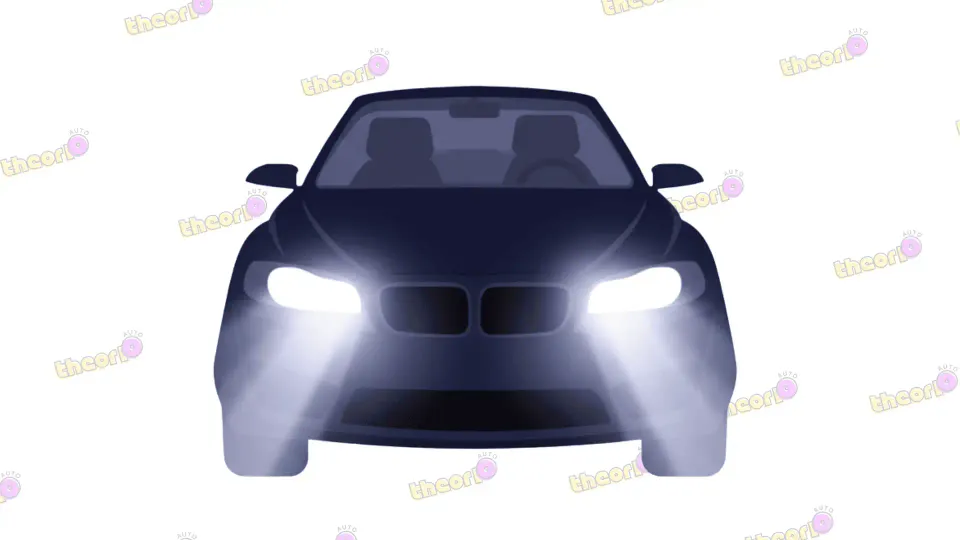
Daytime running lights are lamps at the front that make your car easier to see during the day. You may drive with them in daylight and good visibility. They do not light up the road.
Are daytime running lights the same as dipped headlights?
No. Dipped beam lights up the road and your rear lights are on too. With daytime running lights, the rear lights are off in many cars. Is it getting dark or foggy, or are you entering a tunnel? Then switch on dipped beam yourself. Do not rely only on the AUTO setting: in fog the sensor may still think it is light enough.
Are daytime running lights mandatory?
New types of cars and vans approved in Europe must have daytime running lights since February 2011. Driving with them is never mandatory: during the day you may also use dipped beam.
Difference between side lights, dipped beam and daytime running lights
Each light has its own job. Full beam is for seeing further in the dark on an empty road. Dipped beam is for driving. Daytime running lights are for being seen during the day. Side lights are for being seen when you stand still. Choose the light for the situation:
| Picture and situation | Which light? |
|---|---|
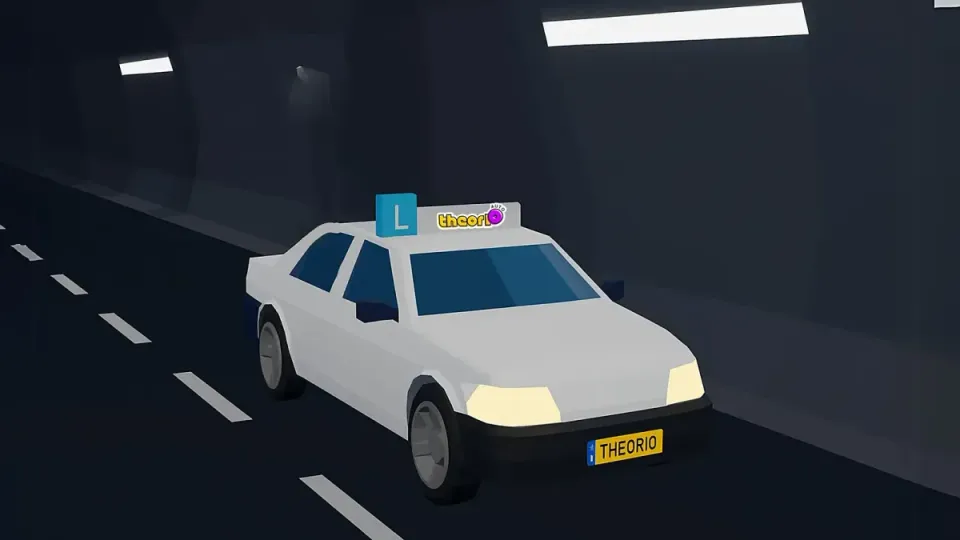 | Dipped beam. Side lights or only daytime running lights are not enough. |
 | Dipped beam or front fog lights. The rear fog light is not allowed in rain. |
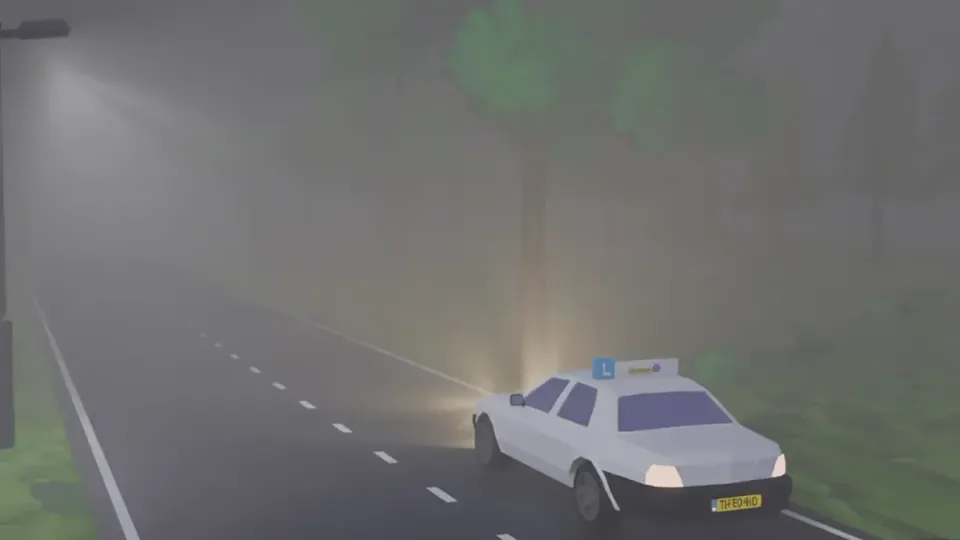 | Dipped beam and/or front fog lights. The rear fog light is allowed too, because visibility is below 50 metres. |
| Daytime running lights are allowed. Dipped beam is allowed too. |
| Standing still on the carriageway outside a built-up area, in the dark: side lights and rear lights. |
Sources: RVV 1990, articles 32, 34, 38 and 41, and Dutch government guidance on vehicle lighting.
Practise like the exam
Example questions like in the CBR exam
Real questions from the Theorio app. You can expect similar questions in your CBR exam.
Question 1 of 5
You can always turn on low beam, even during the day, to be more visible. If someone says: 'Turn on your lights', low beam is meant. Other types of lights are only used in special situations.
Which symbol indicates low beam?
Tap the answer you think is right.
You only use sidelights when you are parked, never while driving.
Are you allowed to use sidelights here?
Tap the answer you think is right.
Is it allowed to drive with only sidelights during the day?
Tap the answer you think is right.
Daytime running lights improve your visibility during the day, but in twilight or bad weather, you switch to low beam. Every car after 2010 has daytime running lights.
You are driving during the day and it starts to get dark. Which lights should you turn on?
Tap the answer you think is right.
You have the low sun behind you. With which lighting should you drive?
Tap the answer you think is right.
Answers and explanations for the example questions
Question 1: Which symbol indicates low beam?
Correct answer: Symbol A
Symbol A stands for low beam. It is the standard light used in the evening, but you can also use it during the day to be more visible. You can always turn on low beam, and it is also used in the evening 😎
Question 2: Are you allowed to use sidelights here?
Correct answer: No
Sidelights are only intended for parked vehicles. They are not allowed while driving. Sidelights are not a substitute for dipped headlights while in motion 💡
Question 3: Is it allowed to drive with only sidelights during the day?
Correct answer: No
During the day, dipped headlights are sufficient. Sidelights are only used when stationary in the dark. Sidelights are not intended as driving lights during the day 🌞
Question 4: You are driving during the day and it starts to get dark. Which lights should you turn on?
Correct answer: Low beam
Daytime running lights are only suitable in clear daylight. As soon as it gets dark or the weather worsens, you use low beam. Low beam provides optimal visibility in reduced light 🌥️
Question 5: You have the low sun behind you. With which lighting should you drive?
Correct answer: Dipped headlights
When the sun is low behind you, oncoming traffic is blinded. To ensure that you are well visible to them, you use dipped headlights. Fog lights may only be used in severely impaired visibility due to fog, snow, or rain, and are therefore prohibited here. ☀️
FAQ
Frequently asked questions
Short answers to questions that often come up on this subject.
May you drive on city lights (side lights)?
Side lights alone are insufficient when driving requires dipped headlights or another permitted driving light, such as in darkness or seriously impaired visibility. They mark the vehicle but do not adequately illuminate the road. Choose appropriate driving illumination; side and rear lights additionally serve prescribed stationary situations outside built-up areas.
Do you have to leave your city lights on when parked?
If you are parked on the carriageway outside a built-up area in the dark, your city lights and rear lights must be on, by day too when visibility is poor, such as in fog. Inside a built-up area you do not need to.
Do you need dipped headlights in a tunnel?
Yes, dipped headlights are compulsory in a tunnel. Switch them on before the tunnel. Daytime running lights are not enough in a tunnel.
Ready to practise?
Test your knowledge of Car lighting & Dashboard with 55 practice questions in the app.
Free mock exam · no account needed
Your first quiz is free, no account needed. After that from €34.99 for 90 days of access.